• Home
  • About
    • Governance & Structure
      • The AER Executive Board
      • The AER General Assembly
      • The AER Political Bureau
      • Statute & strategies
        • AER Election Committee
        • AER Monitoring & Evaluation Group (MEG)
        • AER Procedures
      • The AER Secretariat
    • The History of AER
  • Members
    • Who are AER’s members?
    • Member Directory
    • AER stands with Ukraine
    • Join AER!
  • Mutual Learning
    • About Mutual Learning
    • Working Groups
    • Knowledge Transfer Events
  • Advocacy
    • About Our Advocacy Work
    • The Bureau
    • The 2030 Agenda for Sustainable Development
    • AER Political Priorities 2025-2030
  • Projects
    • About Our Projects
    • Ongoing Projects
    • Look for Partners
    • Completed Projects
  • AER Programmes
    • AER Summer Academy
    • Eurodyssey – Paid traineeships in European regions
    • Intercultural Regions Network
    • AER Youth Regional Network (YRN)
  • Events
    • AER events
    • Other events

Assembly of European Regions

Connecting regions, inspiring Europe since 1985

You are here: Home / Search for "mental health"

Search Results for: mental health

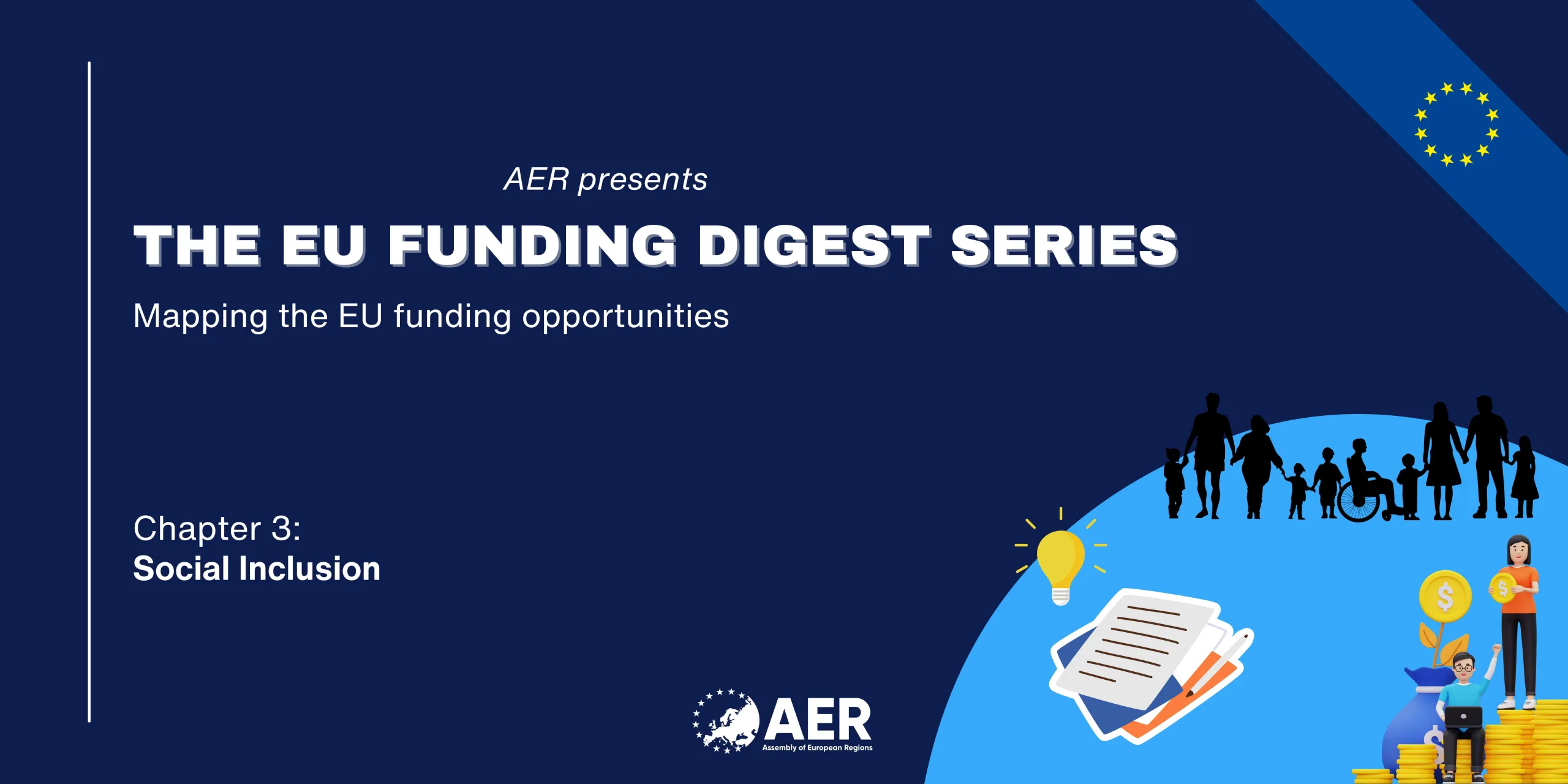
AER EU Funding Digest series #3: Social Inclusion

16 October, 2024 By Emanuela Pisanò

Chapter 3: Social Inclusion

We are excited to return with the third episode of our “EU Funding Digest” series, where we explore key EU funding opportunities under the EU Multiannual Financial Framework (MFF) 2021-2027, examining funds that are directly, shared, or indirectly managed, each time focusing on a different topic.

We are  kicking off this new chapter of our series with a key topic at the heart of AER’s work: social inclusion. As Europe becomes increasingly diverse, it is essential to harness the strengths and opportunities that this diversity brings, implementing initiatives to cultivate a sense of belonging and cultural understanding. Celebrating diverse identities while promoting equity is a delicate balance that requires robust policies to recognise and nurture the value of multicultural exchanges.

Thematic focus

Since 2018, AER’s members have expressed a strong desire to share experiences and best practices in building intercultural communities. This collective movement inspired the creation of the Intercultural Regions Network (IRN), a platform designed to share knowledge, resources, and experiences to promote intercultural integration at the regional level. Additionally, through various meetings and consultations, the AER developed and implemented three flagship projects, funded by the European Commission’s Asylum, Integration, and Migration Fund (AMIF).

The first project, AMiD, was executed between 2018 and 2020, with the aim to support an efficient management of the reception and integration of asylum seekers and migrants with disabilities in the EU. Led by the European Association of Service Providers for Persons with Disabilities (EASPD), it involved 12 partners from Belgium, Cyprus, France, Austria, Italy, Greece, Finland and Germany.

The second project, Includ-EU, ran from 2020 to 2023 under the coordination of the International Organisation for Migration (IOM). Its goal was to foster more inclusive and cohesive European societies by enhancing transnational knowledge exchange, cooperation, and partnerships among local and regional authorities from Greece, Italy, the Netherlands, Romania, Slovenia, and Spain.

The third project, EU-Belong, began in 2022 and will continue until May 2025. Coordinated by the AER, this consortium includes 10 regional authorities from 7 European countries, along with 2 technical partners. The project aims to improve the socio-economic inclusion and sense of belonging among migrants by developing and testing regional integration strategies that incorporate an intercultural and multi-stakeholder approach.

These initiatives are inspired by the Council of Europe’s Intercultural Cities Programme (ICC) and align with key European policies and strategic documents, particularly the “Action Plan on Integration and Inclusion (2021-2027)”. They are supported by a broad network of relevant institutions and international organisations, contributing to policymaking processes at both European and local levels.

The outstanding results and high levels of participation achieved through these projects demonstrate AER’s deep commitment to social inclusion, which is a significant focus of the organisation’s work. Strongly believing in the benefits of an intercultural approach to regional policies and a multi-stakeholder governance model, AER is dedicated to expanding its efforts in these areas by engaging a broader range of regional actors and international stakeholders and fostering collaboration. Regular research and analysis of funding opportunities are crucial to ensuring meaningful engagement, resulting in a comprehensive mapping of financial opportunities.

Recognising the importance of knowledge sharing and reliable information exchange, this episode of the EU Funding Digest presents the results of our efforts, with the hope of sparking interest and initiating new impactful collaborations.

Focus: why an intercultural approach?

While assimilationism overemphasises equality neglecting diversity, and multiculturalism highlights cultural differences, the aim of interculturalism is to realise equality and societal cohesion by building on the diversity that enriches societies. 
Interculturalism recognises the importance of culture in building cohesive communities, accessing rights and realising opportunities. It emphasises the need to enable each identity to survive and flourish, but also underlines the right of all cultures to contribute to the cultural landscape of the society in which they are present. Interculturalism derives from the understanding that communities thrive only in contact with others through interaction, not in isolation. It seeks to reinforce intercultural interaction as a means of building trust and strengthening the fabric of the community, creating a collective identity that embraces cultural pluralism, human rights, democracy, gender equality, and non-discrimination. 

The Council of Europe Intercultural Cities Programme supports cities in reviewing their policies through an intercultural lens and developing comprehensive intercultural strategies to manage diversity positively and realise the diversity advantage. On the same line, the AER Intercultural Regions Network adopts this mission within a regional level of governance, through the implementation of flagship projects such as EU-Belong. In this context, a dedicated multi-stakeholder model framework and toolkit for regional intercultural integration strategies has been published to guide authorities in the application of the approach on the ground, along with many more free resources and tools. For more information, consult the EU-Belong website at https://eu-belong.aer.eu/get-the-gist/.

The framework

According to Eurostat, out of 448.8 million inhabitants living in the EU in 2023, 6% were non-EU citizens, while 9% were born outside the EU. Since 2015, the number of people crossing irregularly the European borders has significantly decreased.

Migration has always represented a hot topic in public and political debate in Europe, characterised by increasingly restricted policies and deterring practices. The spread of fake news and the use of alarming language led to a misinterpretation of the phenomenon, causing racist behaviours and extremists actions across the European continent. At the same time, Europe is confronting significant demographic challenges due to persistently low birth rates and higher life expectancy, resulting in an ageing population. Additionally, occupational shortages in specific sectors and regions across all skill levels are intensifying the global race for talent attraction and retention.

To address these transitions, Europe reviewed its immigration policies, and adopted the Pact on Migration and Asylum in April 2024, along with a dedicated Common Implementation Plan. Divided in ten interdependent building blocks, the Pact aims to provide a European solution to migration challenges by addressing multiple fronts simultaneously. One key component is the Resettlement, Inclusion, and Integration (Building Block 10), which reports the objectives and recommendations set in the Action Plan on Integration and Inclusion 2021-2027, covering measures related to employment, training, language, health care and housing. 

The Plan emphasises the importance of involving people with migration backgrounds in policymaking, encouraging their social, cultural, and economic contribution to European societies. However, Member States have the legislative competence in translating the Plan at the national level, causing important differences in the way countries manage migration and integration, facilitating or impeding access to employment or educational opportunities.

At European level, the above-mentioned scenario is translated into a cascade of financial opportunities to achieve the established common goals. In particular, the protection of people in vulnerable conditions is an element that can be found in multiple programmes under the  EU Multiannual Financial Framework (MFF) 2021-2027, enlarging the spectrum of possibilities to find economic support towards social inclusion initiatives. 

Focus: The Pact on Migration and Asylum and its Common Implementation Plan

The Pact on Migration and Asylum is a set of new rules managing migration and establishing a common asylum system at EU level, based on four pillars: secure external borders; fast and efficient procedures; effective system of solidarity and responsibility; embedding migration in international partnerships.
The Common Implementation Plan, adopted on 12 June 2024, sets out the key milestones to make the policy operational by mid-2026. It provides a template for National Implementation Plans, that must be adopted by every Member States by 12 December 2024. Moreover, it outlines 10 fundamentally interdependent building blocks, to facilitate the practical efforts.

Analysis of funding opportunities

Access our mapped opportunities at this link!

The mapping exercise features key funding programmes that can be monitored to access financial support for social impacts initiatives. This is a non-exhaustive list that might change significantly in the future, also considering the relevant impact of the newly established Asylum and Migration Pact. The table below summarise the key characteristics:

Funding ProgrammeKey focus
Asylum Migration and Integration (AMIF)Strengthening the Common European Asylum System; Supporting legal migration; Countering irregular migration; Enhancing solidarity and responsibility
European Social Fund Plus (ESF+)Implementation of the European Pillar of Social Rights via a shared management Strand, the Employment and Social Innovation Strand (EaSI) and the Social Innovation Plus Initiative
InvestEUSustainable infrastructure; Research, innovation, and digitalisation; Small and medium-sized businesses; Social investment and skills
European Regional Development Fund (ERDF)Regional competitiveness; Smarter, greener, and more connected regions; Social inclusion; Citizen engagement.
Citizens, Equality, Rights and Values (CERV)Equality, rights and gender equality; Citizen engagement and participation; Fighting violence (Daphne); Upholding Union values
Justice Programme (JUST)Judicial cooperation in civil and criminal matters; Judicial training
ERASMUS+Cooperation among organisations and institutions, support to policy development and cooperation in the field of education, training, youth and sport in Europe
Creative Europe (CREA) Culture Strand and Cross-sectorial Strand to support initiatives to foster cultural diversity, promote artistic expression, boost the economic potential of the creative industries
Europe for Health Programme (EU4H)Access to health services for vulnerable populations; Non-communicable and communicable diseases; Mental health; Child health; Prevention-oriented healthcare
Pilot Projects and Preparatory Actions (PPPA)Testing new actions; Developing new EU policies and legislation

As the map shows, the Asylum Migration and Integration (AMIF) Programme still remains one of the most relevant financial lines for social impact, especially when targeting migrant integration. The Programme is divided into four specific objectives (strengthen and develop the aspects of the Common European Asylum System; support legal migration; contribute to contouring irregular migration; enhance solidarity and responsibility) and has a global budgetary envelope reserved for grants of EUR 259 926 000.

Recently, the European Commission started a collaboration with the European Investment Bank on the implementation of AMIF objectives. This means that financial instruments (such as loans, guarantees, equity) can be established in the National Programmes, in a standalone mode or in combination with grants. Leveraging financial instruments can allow to achieve higher impact and make more efficient use of public resources. 

Fi-compass is providing horizontal and tailored support to local, regional and national authorities, financial intermediaries and other stakeholders to access opportunities under AMIF programme, as well as European Social Fund Plus (ESF+) and InvestEU. Those two financial programs have also demonstrated to have relevant opportunities for social inclusion projects. 

ESF+ is the EU main instrument to support the implementation of the European Pillar of Social Rights. It brings together four funding lines previously separated (the European Social Fund, the Fund for European Aid to the most Deprived, the Youth Employment Initiative and the European Programme for Employment and Social Innovation) and it is managed both at national and European level. In particular, the European Commission reserved 142 billion EUR for Member States under the shared management strand, while 762 million EUR are still directly managed via the Employment and Social Innovation Strand (EaSI). While the former financial support can be accessed at national level, the latter operates through grants awarded to the networks that have signed a framework partnership agreement for the period 2022-2025.

Another part of the ESF+ budget is used to support the Social Innovation Plus Initiative, managed by the European Competence Centre for Social Innovation set up by the Lithuanian European Social Fund Agency. With a focus on social innovation and knowledge sharing, the Centre publishes EU calls for proposals to conceptualise tested approaches, scale up promising models, and help social innovation organisations to build up and expand their capacity across Europe.

InvestEU Programme supports sustainable investment, innovation and job creation in Europe by bringing together a multitude of financial instruments. Via the InvestEU Fund, the European Commission supports public and private investments in four policy areas (sustainable infrastructure; research, innovation and digitisation; small and medium-sized businesses; and social investment and skills). Project promoters can find available financial intermediaries by accessing a dedicated interactive website. 

The European Commission financial resources dedicated to social impact initiatives are cascaded down to Member States not only via AMIF, ESF+ and InvestEU programmes, but also at territorial level through the European Regional Development Fund (ERDF). The Fund wants to invest in initiatives able to make European regions more competitive and smarter, greener, more connected, more social and closer to citizens. It therefore links to other financial lines, such as Interreg Europe, the Cohesion Fund, the Just Transition Fund and the EU Solidarity Funds. Further information varies on the specific agreements between the European Commission and single Member States, and can therefore be found at national level.

The next two financial programs relevant for social inclusion initiatives are part of the Justice, Rights and Values Fund: Citizens, Equality, Rights and Values Programme (CERV) and Justice Programme (JUST).

CERV sustains and develops open, rights-based, democratic, equal and inclusive societies based on the rule of law by operating on four pillars: equality, rights and gender equality; citizens’ engagement and participation, daphne (fighting violence) and union values. In particular, the call for proposals related to the first pillar (under the acronym EQUAL) represents a great opportunity for initiatives aimed at fighting various sources of discrimination and promoting diversity not only among the population but also in public institutions and workplaces.

JUST supports judicial cooperation in civil and criminal matters such as training to judges and other legal practitioners and effective access to justice for citizens and businesses. Notably, this funding line could be used to finance initiatives focused on judicial training, to increase knowledge of EU civil, criminal and fundamental rights instruments and improve cooperation. 

Initiatives that focus on fostering collaboration towards inclusive education, as well as addressing the skill gaps and enhancing access to training opportunities, can find financial support from the ERASMUS+ Programme. In particular, under its Key Action 2 (Cooperation among organisations and institutions), the Programme reinforces transnational networks’ operations in the field of education, training, youth and sport. Moreover, Key Action 3 (Support to policy development and cooperation) enhance initiatives that develop ways to increase participation of adults, especially the up- and reskilling of in-transition-workers, unemployed or inactive people, from sectors in decline to sectors that are growing and in need of more workers with skills for the green and digital economy. 

Social inclusion projects that aim to enhance cross-border cultural understanding, can benefit from the Creative Europe (CREA) Programme. Aimed at safeguarding, developing and promoting European cultural and linguistic diversity while increasing competitiveness of the cultural sector, the Programme is divided in three strands (culture, media and cross-sectorial). Social inclusion projects can find particular support in the first and third strand. The Culture strand facilitates cross-border circulation of works and the mobility of cultural players towards a more accessible and inclusive culture. The Cross-sectorial strand addresses common challenges and opportunities, such as the promotion of knowledge, content creation and quality journalism.

The Europe for Health Programme (EU4H) is another funding line that could be considered for projects that want to enhance the access to health services towards vulnerable sectors of the population. In particular, inclusion of vulnerable people is specified in the following subtopics: non-communicable and communicable diseases; mental health challenges; reducing the burden of disease on public health; promoting a comprehensive, prevention-oriented approach to children’s health. 

Finally, Pilot Projects and Preparatory Actions (PPPA) represent a funding opportunity that works in a different way compared to classic calls for proposals. While Pilot Projects are experimental initiatives designed to test the feasibility of new actions, Preparatory Actions are designed to develop new EU policies, legislations, programmes etc. A list of funded PPA is envisaged annually and each Director General of the European Commission can launch and manage PPA call for proposals. 

This mapping exercise demonstrated that protecting people and fostering an inclusive society are cross-cutting priorities which can be addressed through multiple perspectives across funding programs. Therefore, starting from regional priorities and initiatives’ goals it is possible to find a particular financial support under different programmes of the EU Multiannual Financial Framework (MFF) 2021-2027. 

Next steps

The AER continues its effort to foster a truly inclusive European society via initiatives such as EU-Belong and the Intercultural Regions Network. Would you like to participate?

  • Express your interest in developing or joining a project via a dedicated questionnaire
  • Have a look at the Project Unit work: https://aer.eu/eu-projects/
  • Contact Agnese Pantaloni [email protected] and Giulia Moretto [email protected]

Stay tuned for the next EU Funding Digest Chapter foreseen in January on the topic of green transition. If you like to suggest other topics for the upcoming chapters, let us know via our questionnaire. 

Follow us on social media or subscribe to the AER newsletter to be notified about the next publication!

Follow AER!
Facebooktwitterlinkedinrss

[REGISTRATIONS ARE CLOSED] Regions Shaping Europe’s Future | Autumn Bureau & Working Groups

11 September, 2024 By Barbara Polin

At its Autumn meeting on 3 December, the AER Bureau will pave the way for a strategic discussion on the interests of regions in an evolving European landscape.

By bringing together regional representatives, political leaders and EU policymakers, the AER Bureau will explore how regions can position their interests within the new EU policy leadership to shape policies consistent with their priorities. The discussion will focus on guiding political direction and setting policy priorities, ensuring that regions are recognised as indispensable partners in the policy-making process.

On 4 December, the event will include hands-on workshops by the AER Working Groups on Green Hydrogen and on Mental Health. These meetings will be crucial for sharing grassroots expertise, bring together committed policymakers to learn from each other, reinforcing the role of regions in Europe as key drivers of a sustainable future.

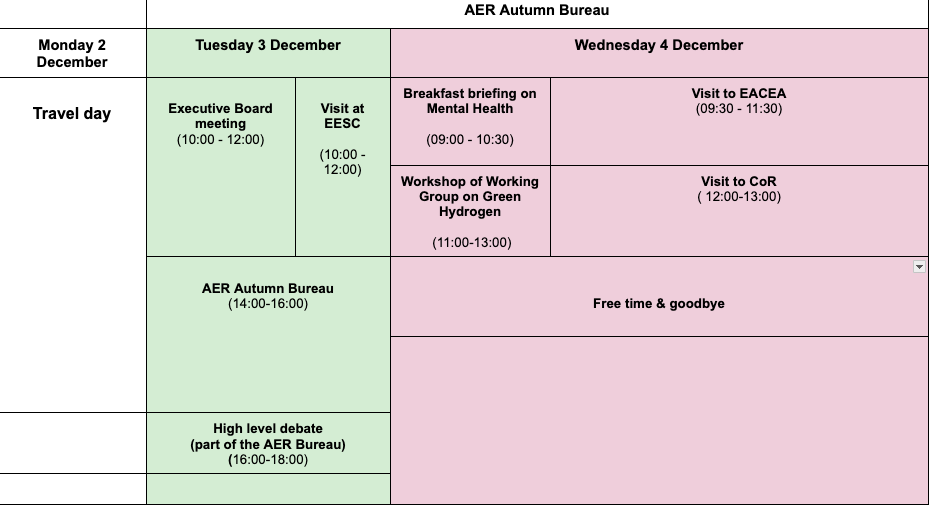
Participants will also have the option of joining visits to different EU institutions and advisory bodies to gain insights on their new asset and priorities after the EU elections of June 2024. These optional visits will take place in the context of the Erasmus+ project Climbing the Ladder (CL-YE) and will welcome up to 15 AER members each.

Daily planning


3 December 2024

Visit to the European Economic and Social Committee (EESC) | 10:00-12:00, EESC (Rue Belliard 99/101, 1040 Bruxelles)

Registered participants are welcome to join the guided visit to the EESC , which will feature an exclusive conversation with Ms Susannah Hallgren, Representative of the EESC Youth group.

AER Autumn Bureau meeting | 14:00 – 18:00, European Parliament (Rue Wiertz 60, 1047 Bruxelles)

The AER Autumn Bureau, hosted by  MEPs Lukas Mandl and Alexander Bernhuber will represent an opportunity for a strategic discussion on the interests of regions in the next term 2024-2029 of the European Commission, and the European Parliament. This high-level debate will serve as a critical opportunity for AER regions to unite, strategize, and strengthen their voice in the new European political cycle, setting a foundation for proactive engagement with EU institutions over the coming years.

  • Draft overall agenda

Wednesday 4 December

Breakfast briefing on ‘How to build resilient societies to promote mental health’ | 9:00-10:30, Renewable Energy House (REH) (Rue d’Arlon 63-67, 1040 Bruxelles)

The breakfast briefing will explore the intersection between healthy democracies and mental wellbeing, discussing both recent publications from the European Joint Research Centre and publications on participatory democracy and resilient societies, and regional practices focused on improving resilience and mental wellbeing.

Visit to European Education and Culture Executive Agency (EACEA) | 9:30 – 10:30 ( Bd Simon Bolivar 34, 1000 Bruxelles)

Registered participants will have the opportunity to engage in an exclusive presentation on the Erasmus+ and CERV funding programmes.

Visit to the European Committee of the Regions (CoR) | 12:00-13:00, European Committee of the Regions (CoR) (Rue Van Maerlant 2, B-1040 Bruxelles) 

Registered participants are welcome join the guided study visit to the CoR. Recommended arrival time is 11.45.

Workshop on Green Hydrogen by the AER Working Group on Green Hydrogen | 11:00-13:00, Renewable Energy House (REH) (Rue d’Arlon 63-67, 1040 Bruxelles)

Join peers from across Europe to explore the role of regions in developing hydrogen value chains and fostering regional and transnational collaborations to scale the European hydrogen economy.


Registrations closed on 20 November 2024. If you are an AER member, please contact AER Communications and Events Coordinator Barbara Polin ([email protected])


Deadline for visits to EU institutions and advisory bodies: 4 November 2024

Deadline for registering in the Bureau meeting and Working Groups: 20 November 2024


Click here to know more about Climbing the Ladder

Highlights from the Summer Academy of Culture in Bodø | Insights of the CL-YE study visit on models of youth engagement

2 September, 2024 By Barbara Polin

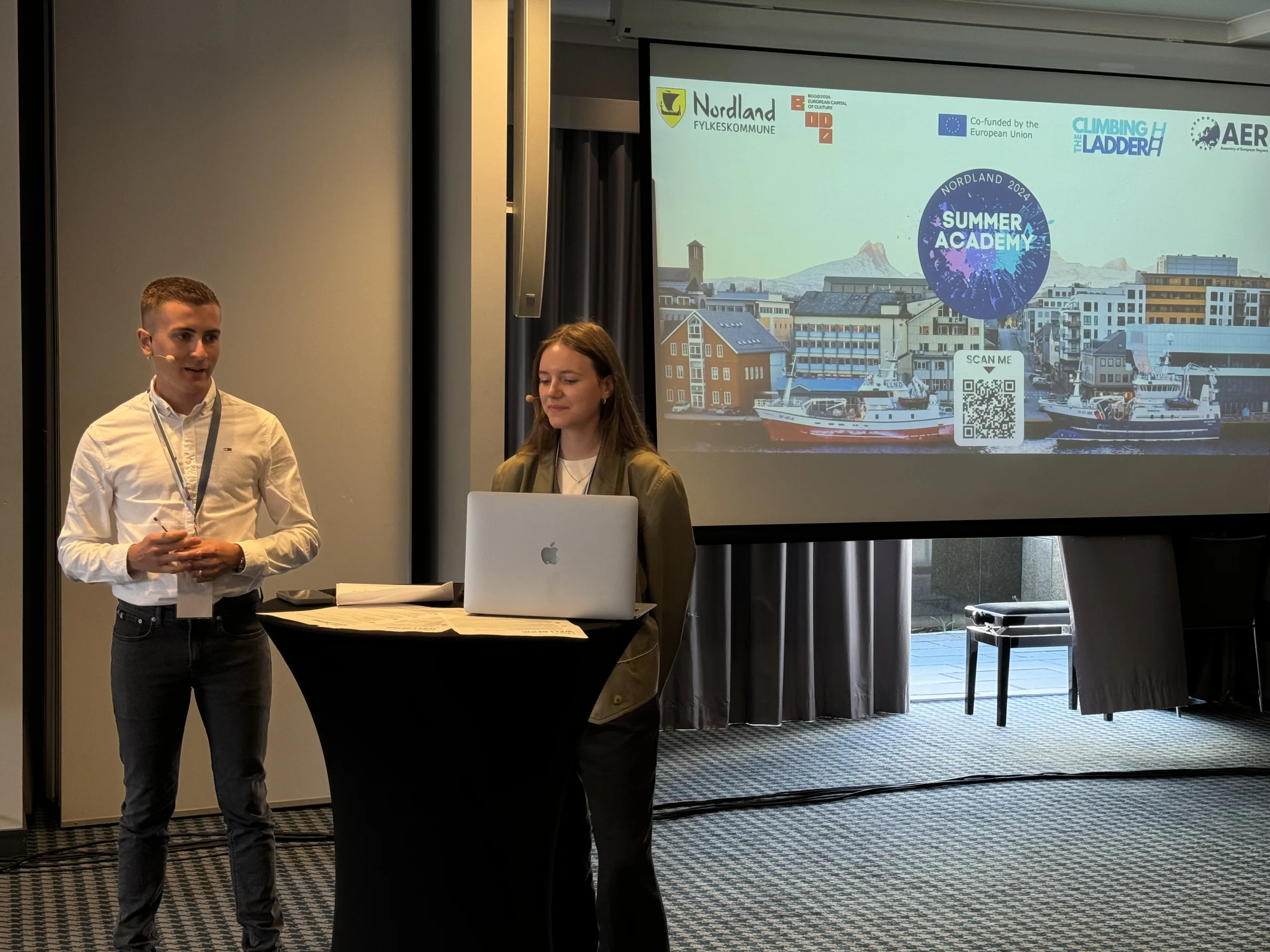
Bodø, the first European Capital of Culture within the Arctic Circle, welcomed participants from all over Europe for the AER Summer Academy 2024. Co-organised by Nordland County Council and the Assembly of European Regions (AER), the Summer Academy explored best practices, experiences and examples of how culture can foster youth inclusion and engagement.

The Summer Academy also hosted the award ceremony of the Most Youth Friendly European Region (MYFER Award). Read more about the contest and winning projects.

Video by Maylinda Bajrami, former Chair of the Youth Regional Network‘s Committee on Gender Equality & Women Empowerment

Insights from the opening plenary: culture builds bridges within and between communities

Kickstarted by Kari-Anne Bøkestad Andreassen, President of the Summer Academy and County Councillor of Nordland County Council, the opening plenary underscored the power of culture to bring together different people, countries and regions, enable dialogue and value diversity.

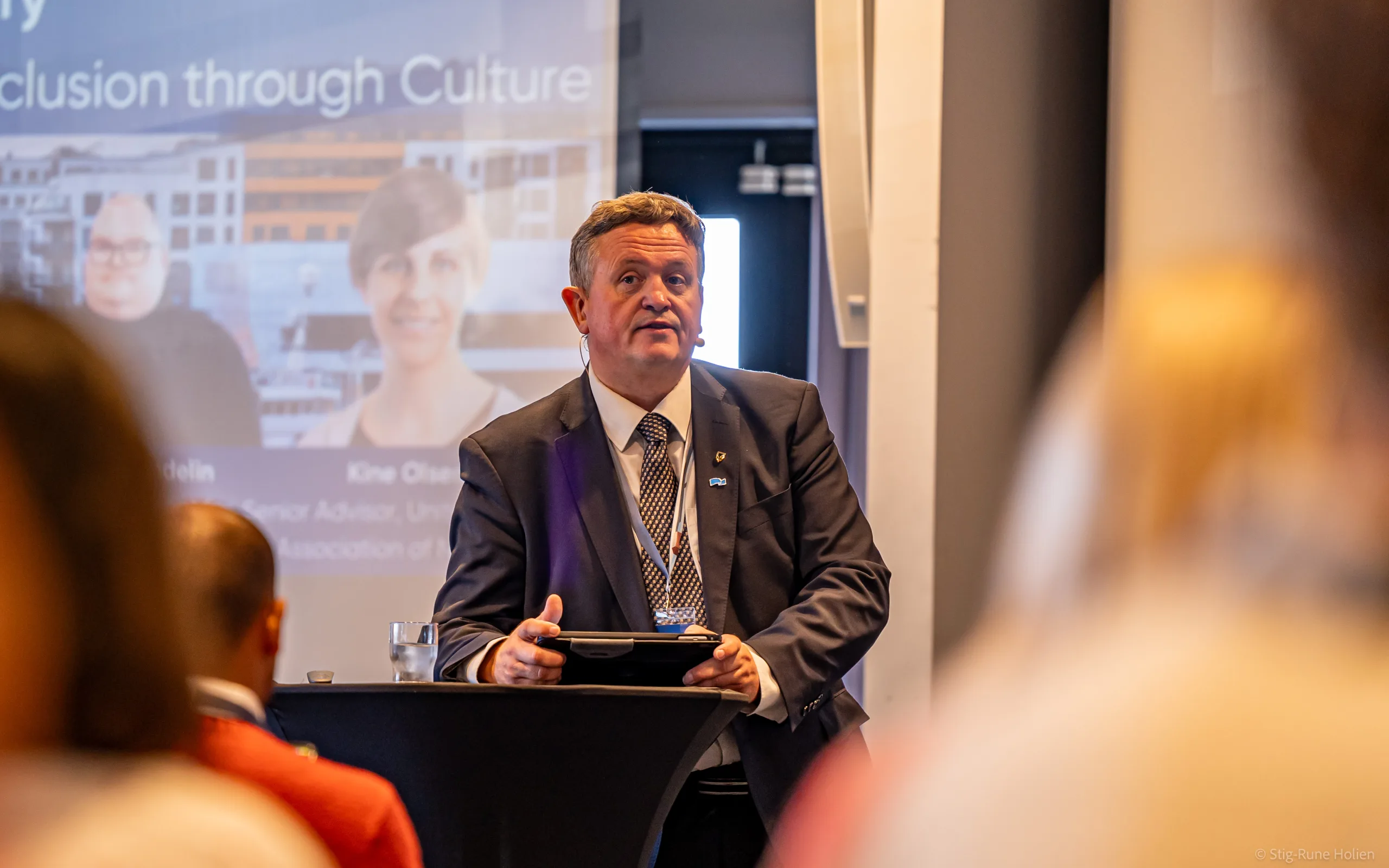
Eivind Holst, Mayor of Nordland County

Eivind Holst, Mayor of Nordland County, highlighted how cultural diversity is essential for mutual learning between regions as it represents the very material for knowledge transfer. The high commitment of Nordland to youth inclusion in cultural and societal activities was made clear by Linda Helén Haukland, AER Vice President for Employment, Education and Skills and Nordland County Councillor. She stressed the need for coordination and joint action between public and private sectors to ensure inclusion of young people, irrespective of their social background. As further underlined by Kine Olsen, Senior Advisor of FN-sambandet, the United Nations Association of Norway, addressing socio-economic disparities is essential to release the community-building potential of young people, who can create and maintain bridges between people of different backgrounds.

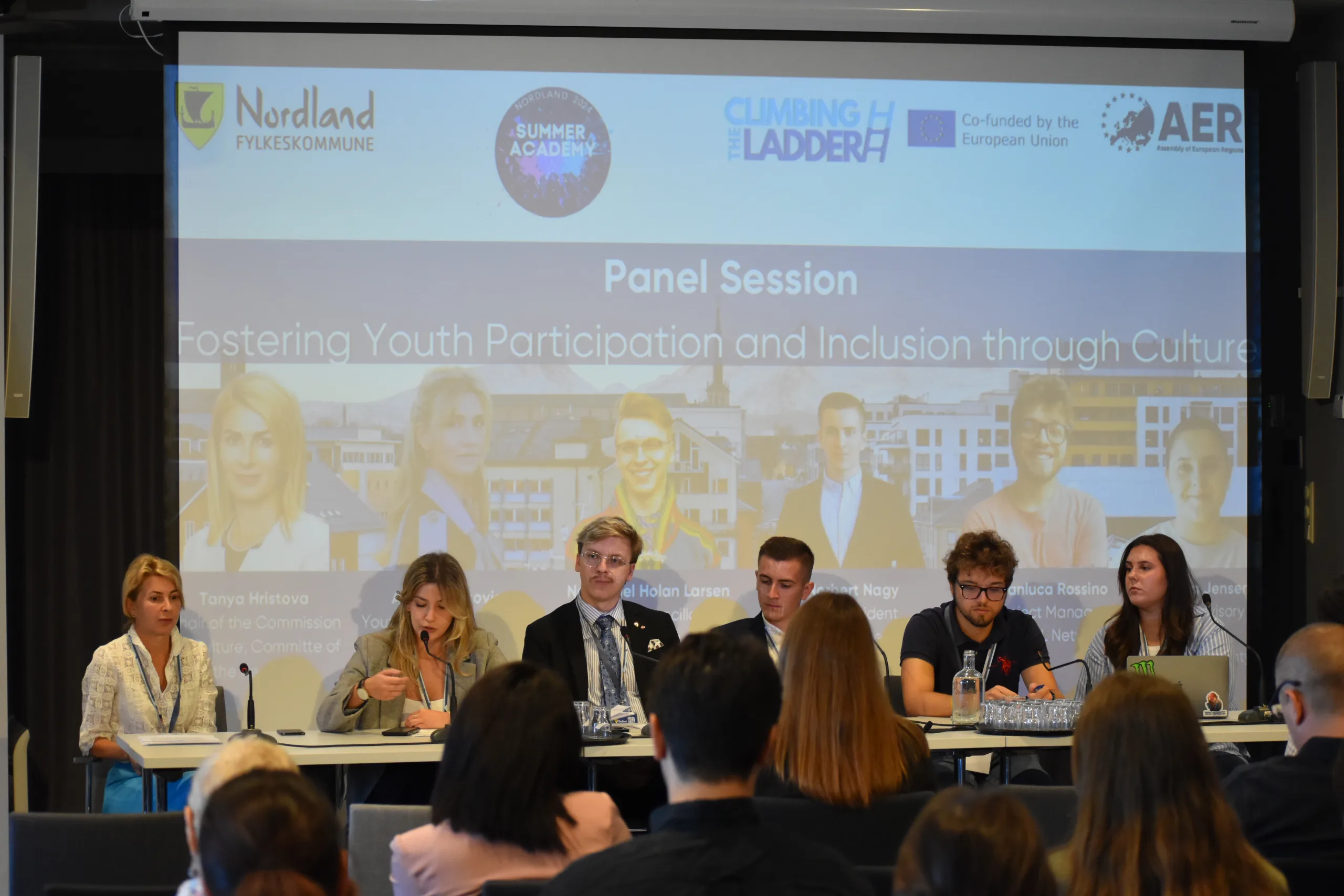
Speakers of the Panel Session, from L to R: Tanya Hristova, Anna Ramkovica, Nathaniel Holan Larsen, Norbert Nagy, Gianluca Rossino, Amanda Jenssen

Culture as enabler of positive change in politics and society

Culture as a force for political and social change was the common thread of the panel discussion featuring Tanya Hristova, Chair of the Commission for Social Policy, Education, Employment, Research and Culture, of the European Committee  of the Regions (CoR), Anna Ramkovica, Latvian Youth Delegate of the Congress of Local and Regional Authorities (Council of Europe), Nathaniel Holan Larsen, Councillor of the Nordland County Council and alumnus of the Sàmi Pathfinders initiative, Norbert Nagy, President of the Youth Regional Network (YRN), Gianluca Rossino, advisor for DYPALL, and Amanda Jenssen, member of the Youth Advisory Board of Nordland County Council.

Chair Hristova reaffirmed the CoR’s commitment to stand for continued and predictable funding of programmes empowering youth such as Erasmus+. Its core spirit mirrors the commitment of the Council of Europe to open up spaces for youth participation, as demonstrated by the project ‘Rejuvenating Politics’, highlighted by Anna Ramkovica as a blueprint for involving people under 30 in regional and local politics.

Panelists also underlined the role of youth councils in ensuring young people’s access to policy-making. As underlined by Nathaniel Holan Larsen, youth councils in Norway are an effective instrument to youth representation. Their statutes prescribe that their representative can speak in the County government, and two members must be full-time employed by the County. At the same time, the work of Norwegian youth councils is vital to ensure the representation of minorities such the Sàmi, whose cross-border nation stretches between Norway, Sweden, Finland and Russia, and whose heritage can be maintained and respected only with continued support from institutions.

To be impactful, youth councils must be given conditions and resources to contribute to policy-making, as underlined by Gianluca Rossino, advisor for DYPALL Network, lead partner of the Erasmus+ project Climbing the Ladder (CL-YE) and Amanda Jensen, member of the Youth Council of Nordland County Council. Rossino also highlighted that it is essential to change the conditions for youth engagement to make it an essential part of community policy and politics.

Culture fuels political start-ups

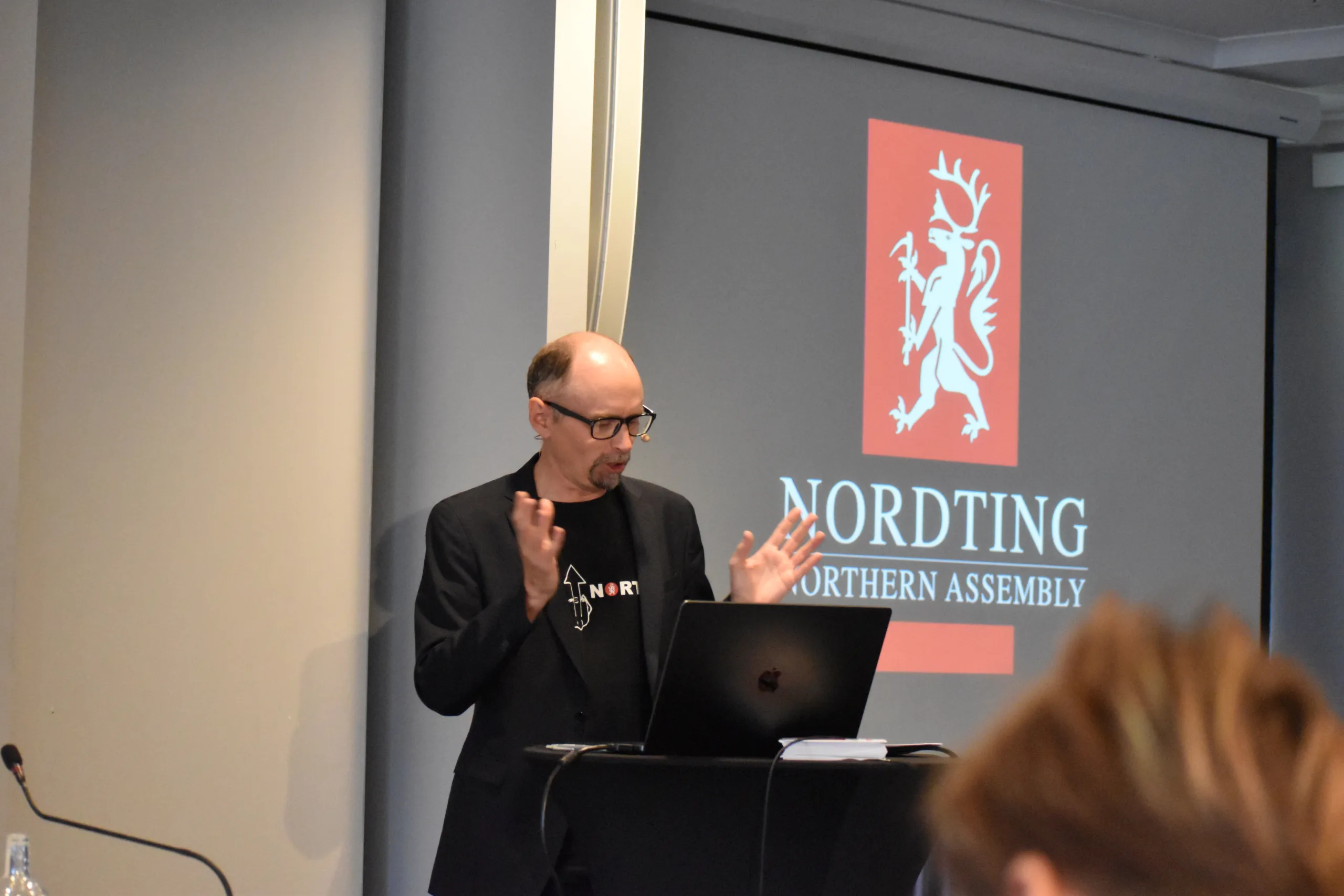
Amund Sjølie Sveen, ‘Nordting’, Assembly of the North

The focus then shifted to political power of culture across Europe. Amund Sjølie Sveen, political and artistic director of the platform ‘Nordting’, Assembly of the North, showed that art can be a means for advocating for social change in situations of inequality. Gathering members from the Far North in Europe and North America, Nordting advocates for the well-being of communities living in the far north through public art installations, protests and debates.

Crossing Europe from the far North to the West, partnerships between culture and politics power up ‘Molenbeek for Brussels 2030‘, the initiative of Brussels-Capital Region for achieving the status of European Capital of Culture 2030. A key part of the bidding strategy is the build-up of youth engagement, such as the Youth Coalition of Molenbeek for Brussels 2030, which produced a participative manifesto on how Brussels should look like in 2030.

Insights from the Summer Academy workshops and cultural activities

From the use of art therapy for mindfulness to practical simulations of direct democracy, the regions from the Summer Academy Organising Committee (SAOC) steered a rich and diverse programme of workshops on how culture can foster youth participation and engagement.

During the Summer Academy, participants also enjoyed a variety of cultural activities and study trips, such as the guided tour of Saltstarumen, the world’s strongest tidal current, of Bodø, European Capital of Culture 2024, and of Kjerringøy, a village on a peninsula with breathtaking landscapes.

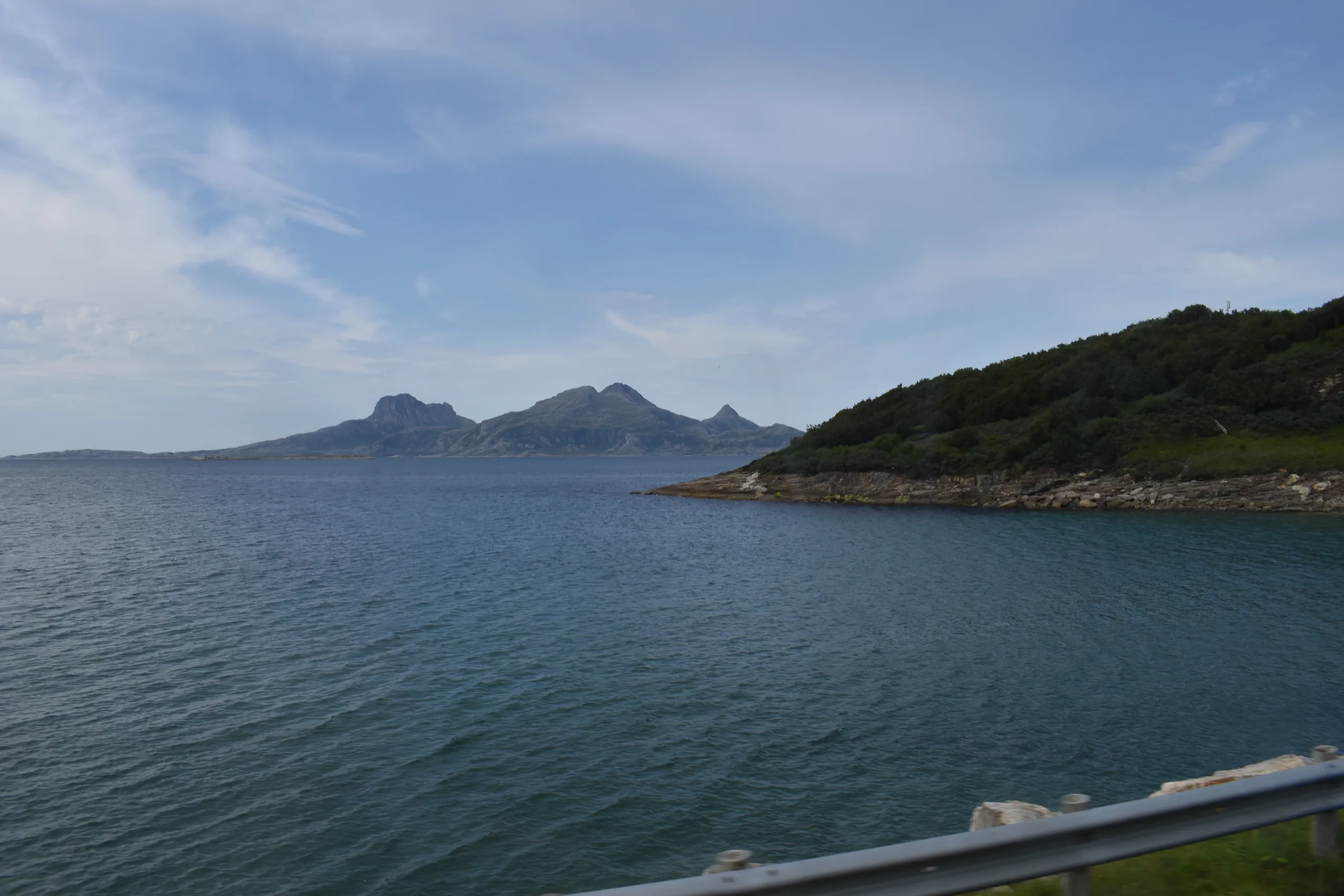
A view from Kjerringøy, Nordland, Norway

How to shape a culture of mental wellbeing: the use of AI by the YRN and Primorje-Gorski Kotar, and art therapy in Maramures, Østfold and Odesa

From L to R: Norbert Nagy YRN President; Mathilde Colarte, YRN Chair for Youth Participation

Mental healing and wellbeing are delicate matters whose care require an interdisciplinary approach. During the workshop on Mental Health, co-led by the Youth Regional Network (YRN), and the region of Primorje-Gorski Kotar (Croatia) from the AER Working Group on Mental Health, participants explored how AI tools and art therapy can support mental well-being. For example, through large quantities of data, AI tools on mobile devices can monitor mental health disorders, propose treatments based on virtual reality and support the development of supportive chatbots. At local level, the region of Primorje-Gorski Kotar used AI-powered tools for the project HelpTo, which enables smooth implementation of health services such as administering test results and booking medical exams, and which facilitates regular monitoring of mental health struggles.

Interested in the WG on Mental Health? Discover more here and/or contact AER Knowledge and Policy Transfer Coordinator Johanna Pacevicius

As Primorje-Gorski Kotar provided an overview of how AI can foster well-being, the regions of Maramures (Romania), Østfold (Norway), and Odesa (Ukraine), explored how art therapy can foster mindfulness and nurture personal development through art. From drawing spontaneous patterns to sharing reasons for frustration and gratefulness, participants experienced the capacity of art to understand and release repressed feelings.

Creating a culture of political participation: direct democracy in Zürich and student participation in decision-making processes in Vojvodina

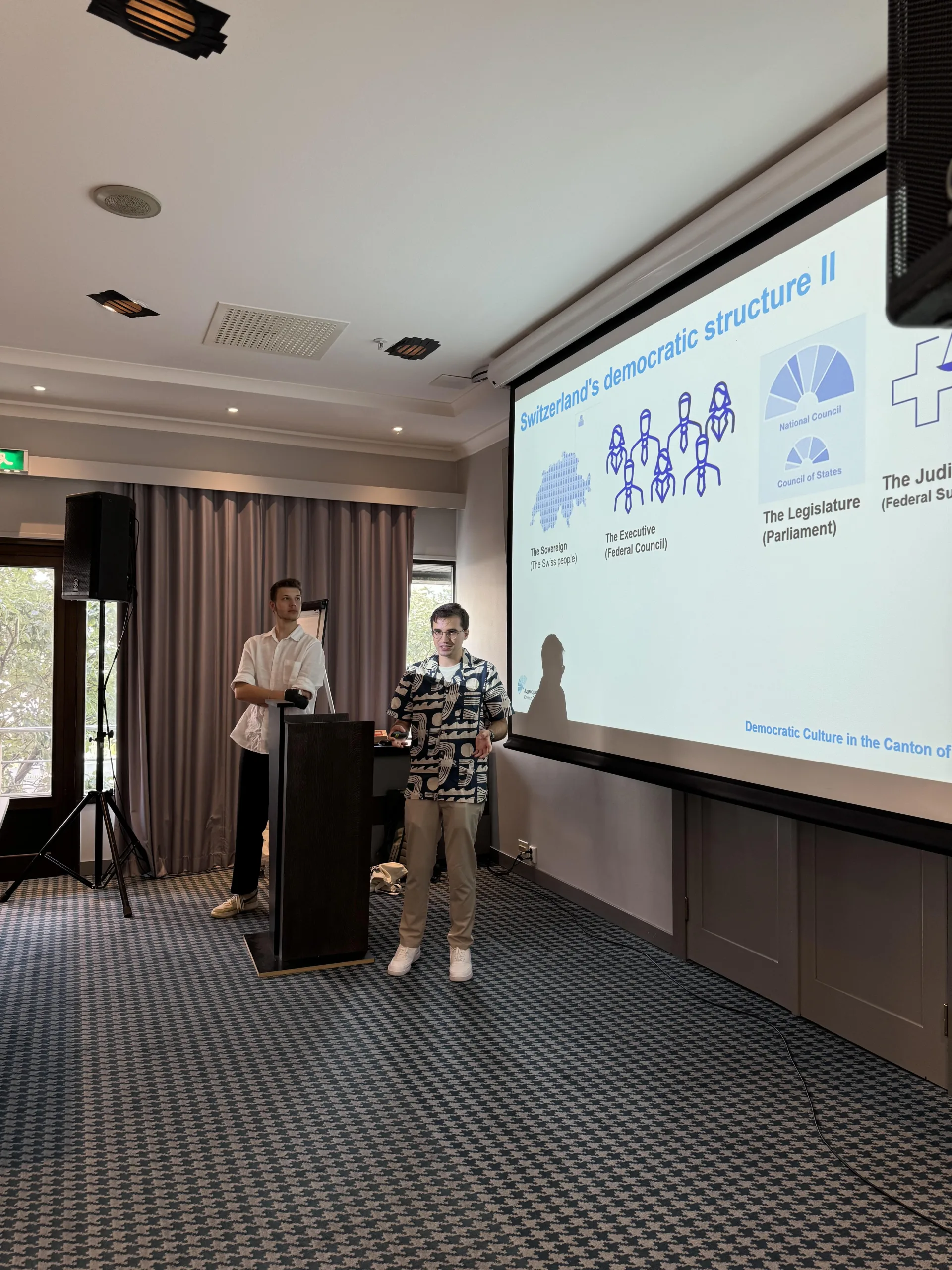
Workshop on direct democracy by the Zürich Youth Parliament

Across European regions, cultures of political participation differ greatly. The Autonomous Province of Vojvodina (Serbia) and the Canton of Zürich (Switzerland) offered examples of how their regions foster a culture of political participation among and with young people.

Among the first in the world for active political participation, the Zürich Youth Parliament aimed to make participants understand and engage with direct democracy. By simulating a popular referendum on bringing the voting age to 16, participants discussed the pros and cons of giving decision-making responsibility to young people, and shared views on whether direct democracy could be exported outside the Swiss context. As shared by the facilitators, Gianluca Coccitti and Moritz Elsner, young and senior Swiss citizens value direct democracy for its representativeness and inclusiveness, characteristics which enable them to contribute to the political life of their community, as demonstrated by the comprehensive programme of activities by the Zürich Youth Parliament.

The workshop by the Autonomous Province of Vojvodina brought into focus the role of the Student Parliament at the University of Novi Sad, the second largest city in Serbia. Its statutory goal of immediate representation of the students body is ensured by its involvement in the definition of the regional Action Plan, which accounts for all actions, positions, analysis, needs and problems of young people in the Vojvodina Autonomous Province. The 2023-2025 Action Plan identifies the four key areas: of dignified work conditions for young people, active participation of young people in society, spaces for young people and areas of personal development of young people. The importance of implementing effectively these areas of action is acknowledged by the regional leadership, which funded relevant activities with €4 million, the highest budget in 10 years.

Opening up spaces for social inclusion: interculturalism in Donegal, building the future in Nordland, co-creating recipes in Catalonia, and cultural richness in the Gaeltacht

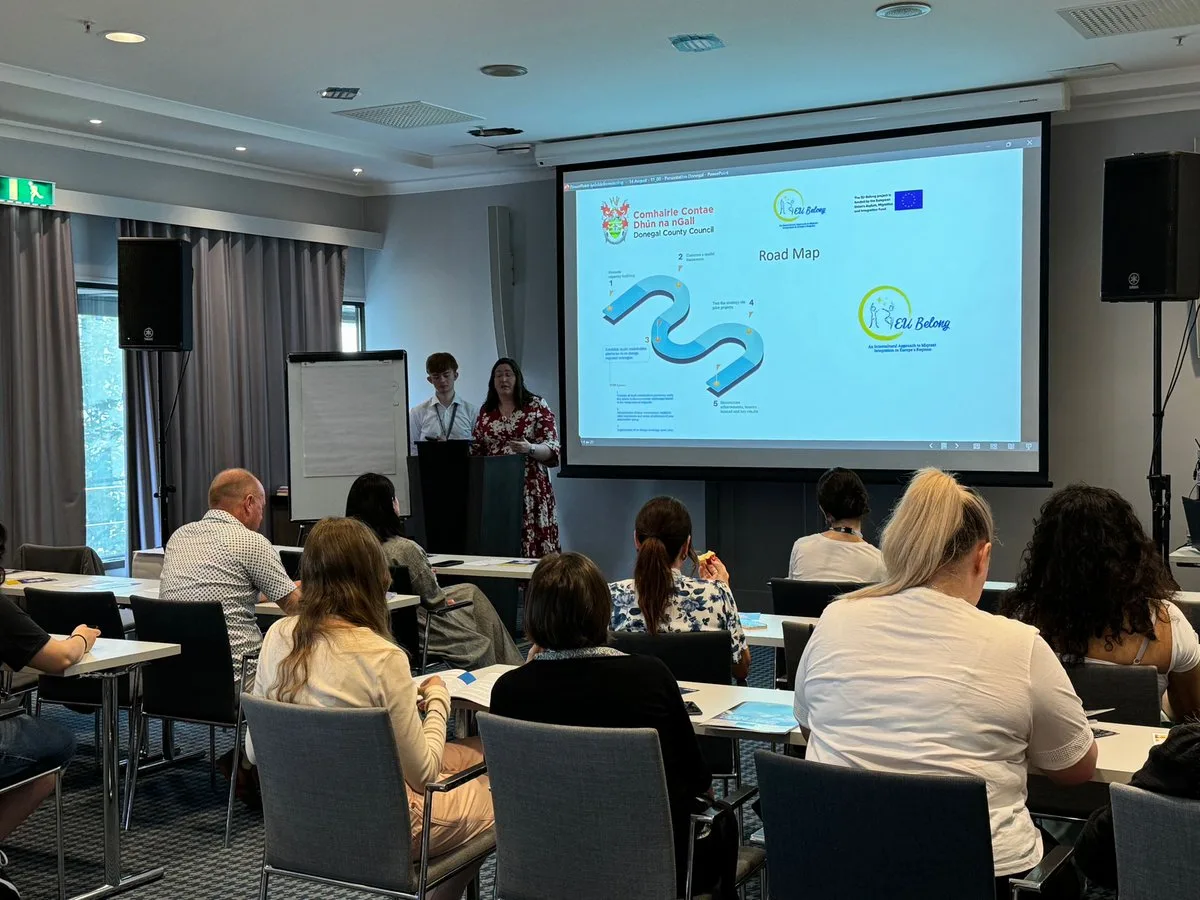
EU-Belong workshop at the Summer Academy

Consistent and continuous cultural dialogue is fundamental to shape inclusive communities, as highlighted by the workshop by Donegal County Council on the ongoing EU-funded EU-Belong project. The workshop was an opportunity to highlight the importance of the collaboration between the public sector and NGOs powering up the implementation of EU-Belong.

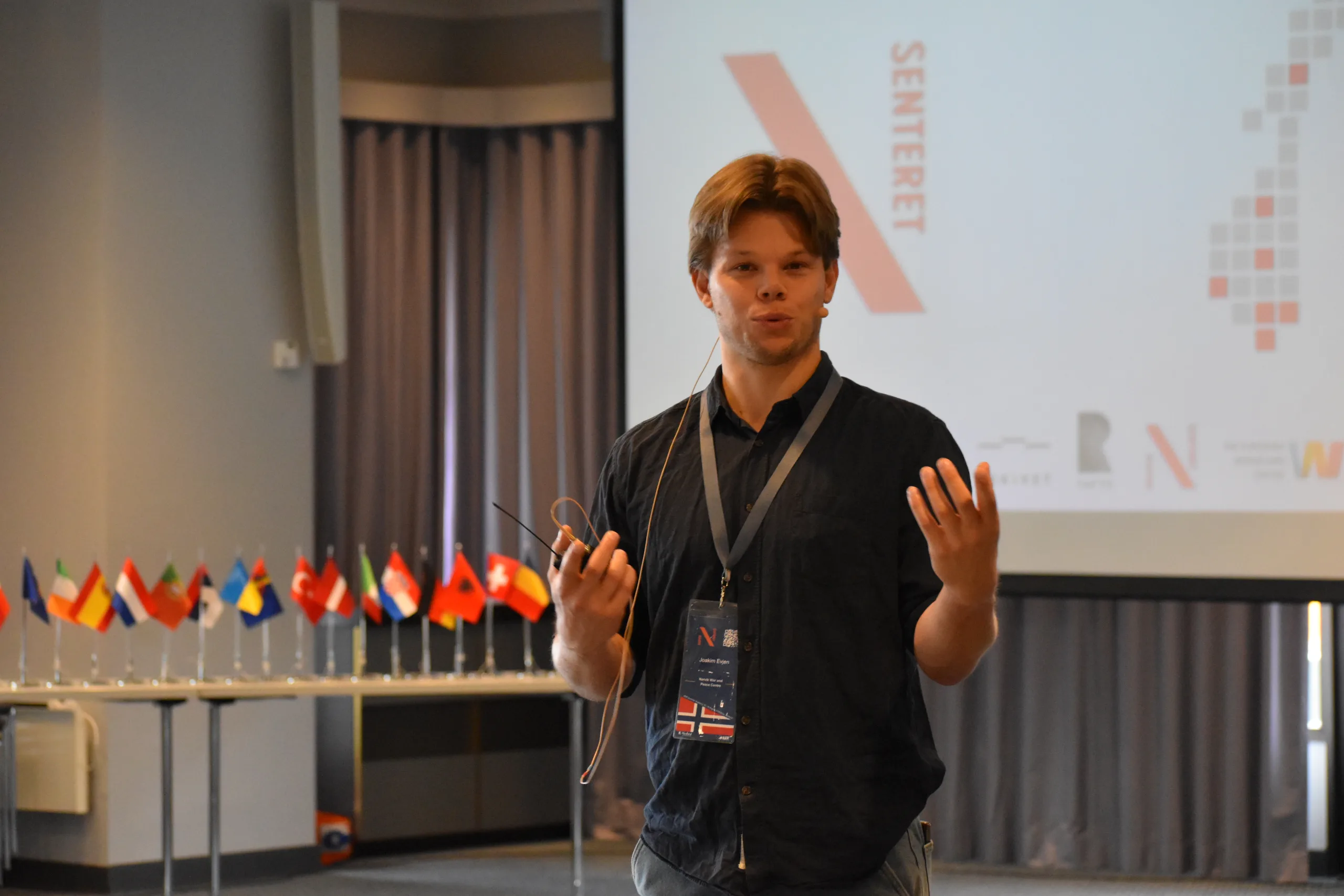
Joakim Evjen, Narvik War and Peace Centre

Consistently with the outward-looking approach of EU-Belong, focused on building a better future, the workshop by the Narvik War and Peace Center (Nordland, Norway) inspired participants to think about how a utopian land could have looked like, pushing them to imagine its fundamental laws and societal structure. By re-imagining present and future, participants had the opportunity to discuss existing societal structures and plan a fairer, more equitable political community.

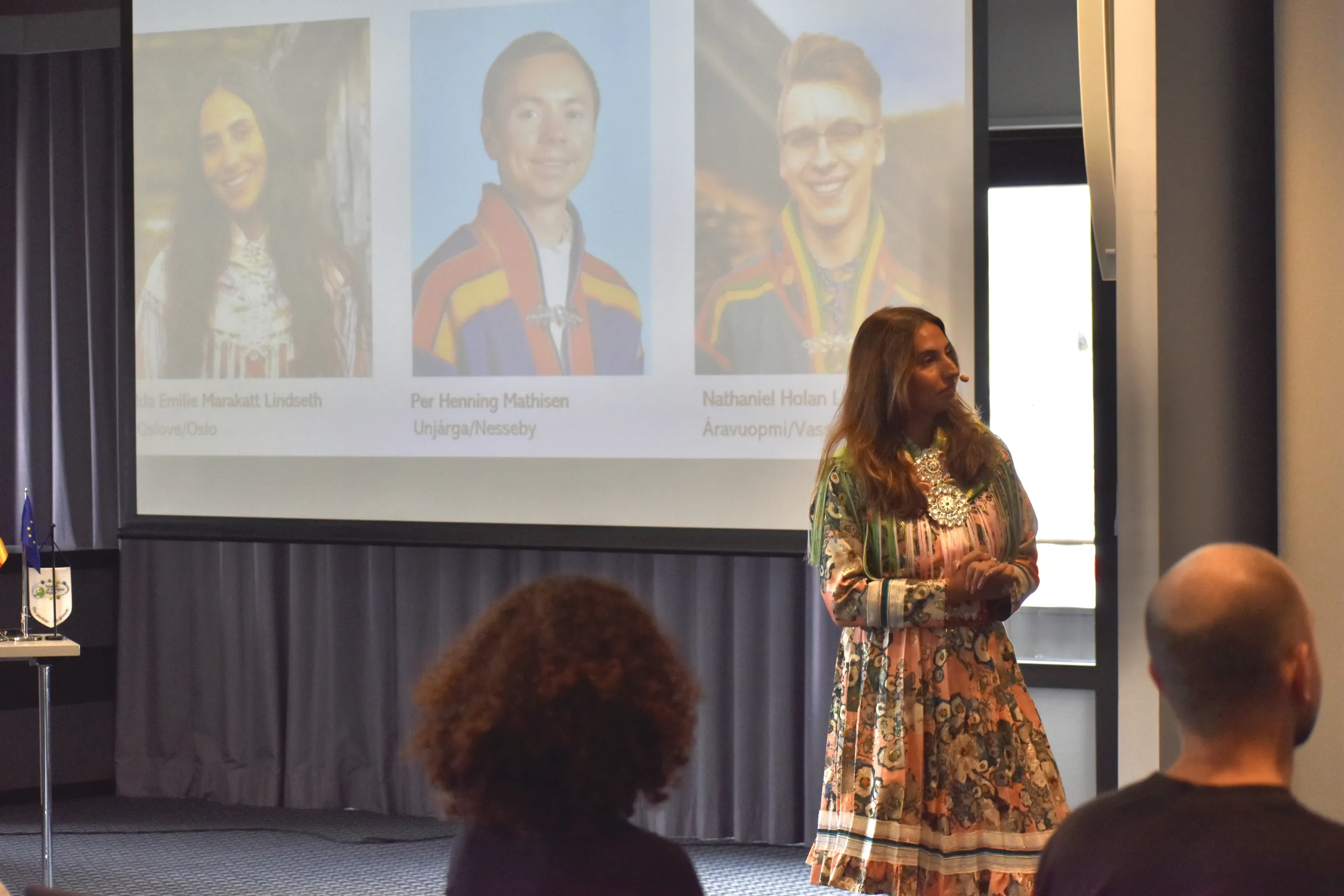
Diversity as richness was the red thread between the workshops by Catalonia (Spain), Údarás na Gaeltachta / Muintearas (Ireland) and Sàmi Pathfinders. While Catalonia challenged participants to imagine a decolonised public space by blending different cultures through a metaphorical cooking, Údarás na Gaeltachta made participants experience the liveliness of Irish music and traditions through a live exhibition of local artists. During the workshop by Sàmi Pathfinders, an educational initative promoted by the Norwegian regional and national governments, participants had the opportunity to discover more on the Sàmi bond with their ancestral land, as well as on the richness of their culture and legacy, which unites them across borders and crosses the years.

Ida Emilie Marakatt Lindseth, Sàmi Pathfinder alumna

The Erasmus+ “Climbing the Ladder” (CL-YE) project at the Summer Academy

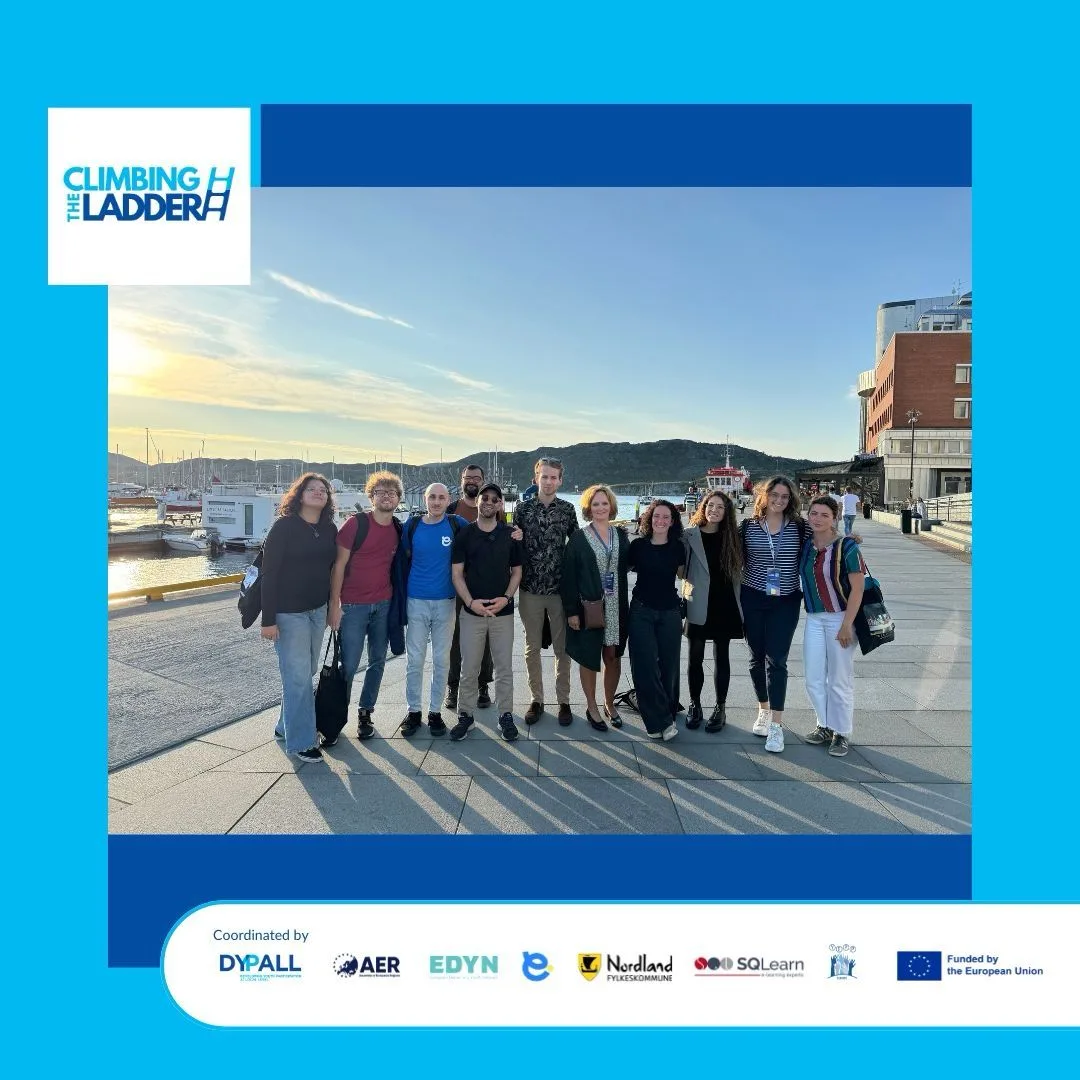
The Summer Academy 2024 was part of the first study visit organised within the Erasmus+ project Climbing the Ladder (CL-YE). All the partners involved from DYPALL, Europiamo, EDYN, Nordland County Council and the AER joined meetings with representatives of public and private sectors working in the field of youth engagement and participation in decision-making processes. From politics to business, the partners had access to best practices elaborated by Norwegian regional/local institutions and companies to boost youth inclusion in society and culture. The results will be available in a future report of the project. Find more about the CL-YE project here.

The project is led by DYPALL Network in partnership with Europiamo (Italy), Nordland County Council (Norway), EDYN (Slovakia), AER, SQLearn (Greece), under the Erasmus+ Programme.

Follow AER!
Facebooktwitterlinkedinrss

Youth Regional Network | Capacity-building weekend in Zürich

19 July, 2024 By Lorène Weber

Save the date and register! The AER Youth Regional Network (YRN) will gather in Zürich (Switzerland) for a capacity-building weekend, from the 31st of October to the 3rd of November 2024! We warmly thank the Canton of Zürich for hosting and co-organising the event, and for their commitment to ensuring youth participation in civic and political life.

The event is open to all members of the YRN, and to AER members working on youth issues, such as regional politicians in charge of Youth, or the Youth Coordinators in regional administrations.

The event is coordinated by the Canton of Zürich, the YRN Presidium (President, Vice-President and Chairs of the Thematic Committees), and the AER Secretariat. Participants are expected to arrive on the 31st of October (a welcome dinner is planned), and will depart on Sunday 3rd November throughout the day.


CLICK HERE FOR THE DRAFT AGENDA


The event will start with a panel discussion on the topic of “Enhancing youth participation in democratic life: sharing best practices and challenges from Zürich and the Youth Regional Network”.

The YRN Committees will organise capacity-building workshops on their respective topics: Youth Participation, Gender Equality, Mental Health, and Green and Sustainable Europe.

Cultural activities will allow the participants to learn more about the City of Zürich.

The event will be joined by local stakeholders involved in youth participation and inclusion, such as the Chancellor of the Canton of Zürich, a Government Councillor, the Head of the Koordinationsstelle Teilhabe, and the Zürich Youth Parliament.

Solidarity Fund

Young participants whose travel costs cannot be supported by their region, a regional council, a youth regional council, a youth organisation, etc., may apply to the YRN Solidarity Fund. If accepted, the organisers will cover up to 350€ of your travel and accommodation costs, as a reimbursement by bank transfer after your attendance to the entire event, and if you provide all necessary supportive documents (invoices, receipts, original boarding passes, train tickets, bus tickets). The reimbursement may exceed 350€ depending on the final number of participants. Please wait for a confirmation by the AER Secretariat and the YRN Presidium before making any travel arrangements.

Accommodation & Meals

All lunches and dinners are covered from Thursday dinner to Saturday dinner.

The participants are expected to book their accommodation themselves. The Canton of Zürich recommends the ho(s)tels below, but participants are free to book in any ho(s)tel of their choice. The event’s main venue will be the historical town hall in Zürich, the “Rathaus” (address: Rathaus, Limmatquai 55, Zürich), so participants may want to book an accommodation at a walking distance, or with direct public transportation to the venue.

Recommended ho(s)tels:

  • Jugendherberge Zürich (youth hostel) | Available on: youth hostel.ch; booking.com
  • Ibis Budget Zurich City West | Available on: Accor website; booking.com
  • Novotel Zurich City West | Available on: Accor website; booking.com
  • Ibis Zürich City West | Available on: Accor website; booking.com

How to attend the event?

Please fill in the application form by clicking on the button below. Please do not make any travel arrangements until your participation is confirmed by the organisers.

Who to contact?

Please contact the AER Secretariat at [email protected] and the YRN Presidium at [email protected] for any question you may have.

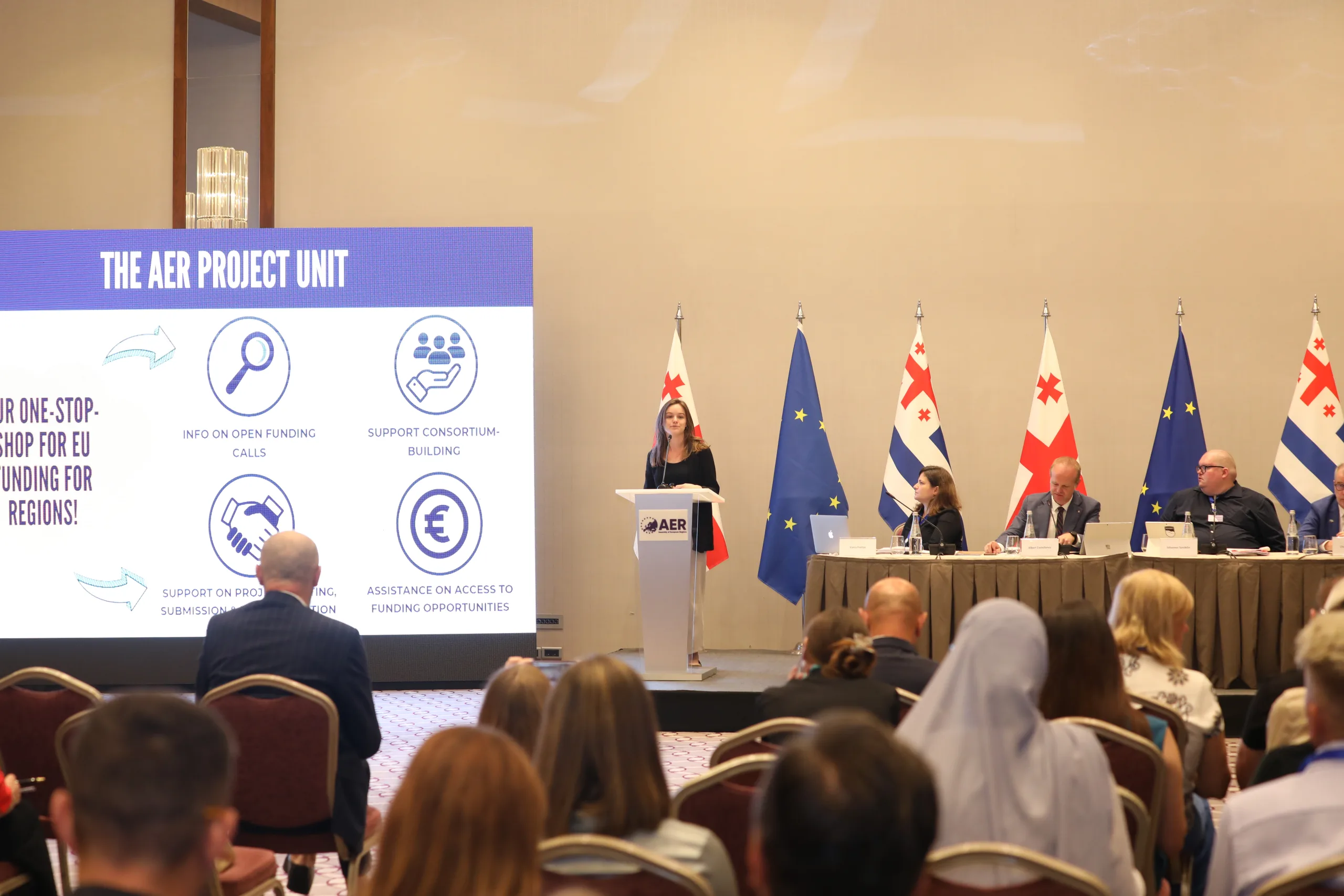
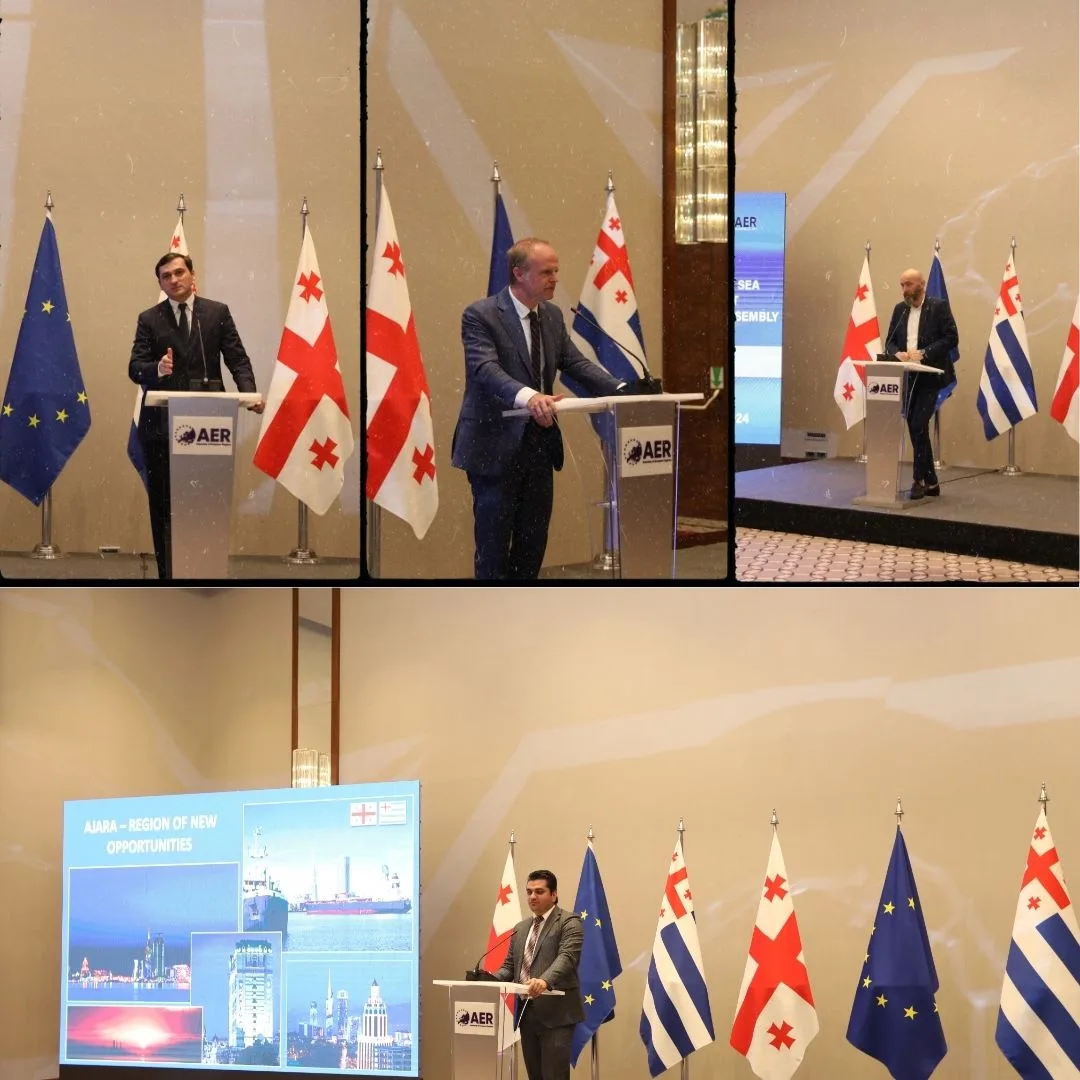
Highlights from the 2024 AER General Assembly & Spring Bureau meeting | 8th Black Sea Summit | Batumi, Ajara

25 June, 2024 By Barbara Polin

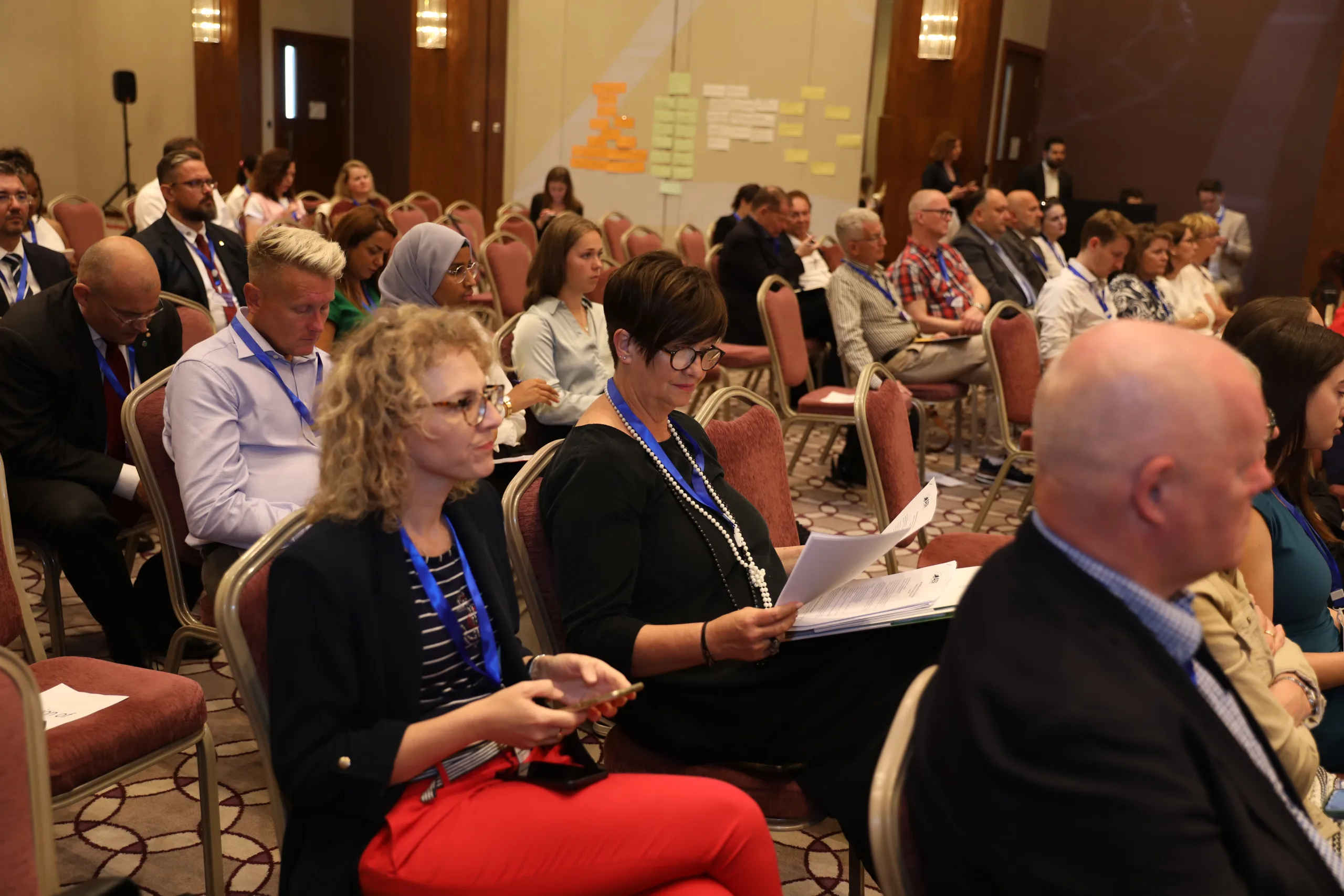
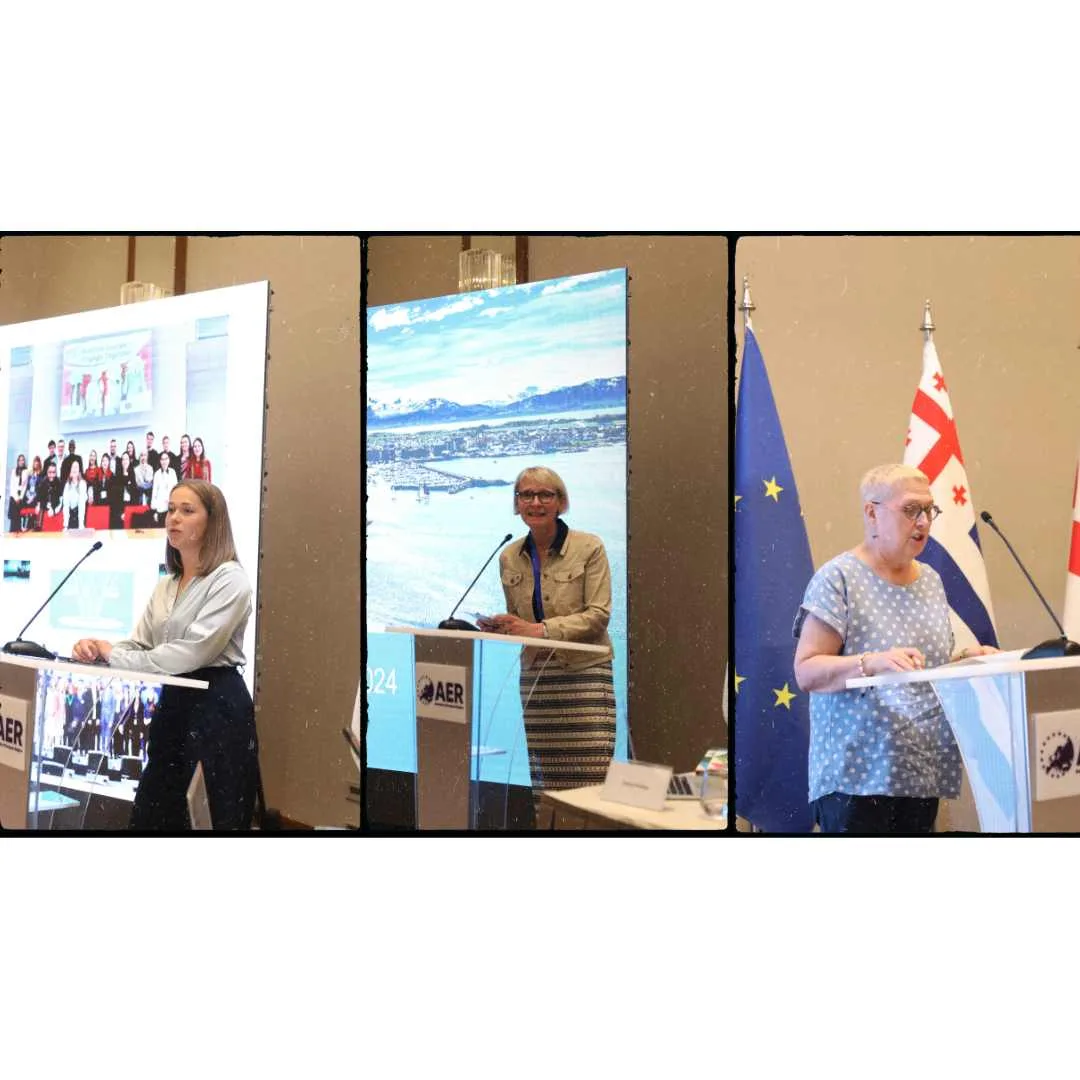
The AER 2024 General Assembly, the Spring Bureau Meeting, the Bioeconomy Working Group meeting and the 8th Black Sea Summit took place from the 12 to 14 of June in the vibrant city of Batumi, in the Autonomous Republic of Ajara. The three-day event gathered regional representatives and stakeholders across all of Europe and represented an opportunity to foster interregional cooperation at the international level.

Changing perspectives for a sustainable future

On June 12, the three-day event kicked off with the workshop of Working Group on Bioeconomy “Changing perspectives on resources for a sustainable bioeconomy,” which provided a platform to explore diverse regional approaches to enhancing bioeconomy policies and practices. Participants shared examples of innovative strategies aimed at promoting sustainability in the bioeconomy sector. Nataša Ritonija, representative of Eastern Slovenia and CEO of the Regional Development Agency of Podravje Maribor, was appointed as the new chairperson, opening the way for future advancements in sustainable initiatives at a regional level. 

Workshop on Bioeconomy and Chair of the WG on Bioeconomy

The way ahead: AER Bureau discusses political priorities for 2025-2030

On the afternoon of 12 June, the Spring Bureau Meeting set the stage for fruitful discussions with the key objective of defining the political priorities of the network and establishing the strategic direction of its advocacy work.

AER Vice President Johannes Sundelin (Norrbotten, SE) provided an overview of the Bureau activities from December 2023 to June 2024, highlighting the commitment on future cohesion policy aiming to strengthen economic, social and territorial cohesion across Europe. Harold Zoet, Regional Minister of the Gelderland (NL) and Chair of the AER Task Force on Agriculture and Regional Development, shared insights on the recent activities led by the task force. Mr Zoet reframed various challenges as opportunities for further advancement, focusing on issues such as energy, food security, health, water, and agricultural practices relevant across states and regions.

Spring Bureau meeting: interim SG Vania Freitas, President Albert Castellanos, Regional Minister Harold Zoet, AER VP Johannes Sundelin (from L to R)

The Bureau meeting also saw the adoption of the Position on Cohesion Policy post-2027. Albert Castellanos, President of AER and Co-chair of the Task Force on Cohesion Policy, presented the key messages of the position. He emphasized that future cohesion policy must strive to build a cohesive, competitive, and inclusive Europe, capable of addressing the challenges of the green and digital transitions while ensuring that no region is left behind.

Pan-European achievements and strategic commitments secured during the General Assembly 2024

The General Assembly 2024 highlighted key achievements and long-term strategic commitments.

The event was enriched by the insightful remarks of Tunc Soyer, President of the Chamber of Regions of the Congress of Local and Regional Authorities of the Council of Europe. A significant milestone of the assembly was the ratification of the AER Multi-Annual Strategy 2024-2031, a pivotal document outlining the AER vision for the future. This Strategy reaffirms our core values, restates our ambitions and charts the best course to address new challenges and opportunities for regions, increasing the impact of our work. Read it here.

Updates from Knowledge and Policy Transfer activities

Policy and knowledge transfer activities continued to advance thanks to the constant efforts of the AER Working Groups. Daniel Schützer (Värmland, SE), Chair the Mental Health Working Group. Nataša Ritonija, Chair for Bioeconomy Working Group, Albert Castellanos (Catalonia, ES) for Green Hydrogen Working Group emphasised the working groups’ role as vital hubs for knowledge exchange and collaborative initiatives among AER members.

  • Join the WG on Mental Health
  • Join the WG on Bioeconomy
  • Join the WG on Green Hydrogen

Highlights from Eurodyssey, Youth Regional Network, Summer Academy

Esther Estany Campos (Catalonia, ES), Eurodyssey President, highlighted recent developments within the program, noting active participation from member regions like the Azores, Catalonia, and Cyprus. The upcoming 2024 forum in Brussels aims to deepen cooperation among members.

Sigrun Myrvang (Innlandet, Norway), First Vice-President of the Youth Regional Network, outlined the transformation of YRN into a vibrant platform for European youth. Myrvang highlighted the role of digital cooperation and capacity building events across Europe, underscoring YRN’s commitment to amplifying youth voices within AER and beyond.

At the same event, Stig Olsen, Åshild Opøyen, and Kassandra Eleni Petsa (Nordland, NO) from the Summer Academy 2024 team invited participants to join the Summer Academy in Bodø, Norway. They showcased Bodø’s cultural richness as the European Capital of Culture for 2024, with numerous events planned throughout the year.

From L to R: Sigrun Myrvang (Innlandet, YRN), Åshild Opøyen (Nordland, Norway on the Summer Academy), Esther Estany on Eurodyssey (Catalonia, ES)

Highlights from the AER EU Projects

Mirjam de Jong, EU Finance and Communication Manager, delivered an insightful overview of the achievements of EU projects led and joined by AER. She highlighted successful engagement with EU funding sources, which have fostered dialogue and collaboration among regions. EU projects have also provided an efficient framework for integrating initiatives of strong interest to member regions, such as the MEET Project and intergenerational debates on Europe’s future. Mirjam encouraged participation in upcoming events like the AER event during the EU Week of Regions and Cities and EU Belong webinars. She also introduced exciting new projects such as “Climbing the Ladder,” which focused on youth empowerment.

2024 Elections at the General Assembly

During the Elections session at the General Assembly, Linda Helén Hautland (Nordland, NO) was elected Vice President. Thomas Hartman (Västerbotten, SE), Erjon Nexhipi (Korçë, AL), and Vyacheslav Berezhnyy (Kryvyy Rih, UA) were elected as members of the Monitoring and Evaluation Group. Marina Medaric (Primorje-Gorski Kotar, HR) and Kenneth Backgård (Norrbotten, SE) were elected Members of the Election Committee.

The 8th Black Sea Summit at a glance

Held on 13 and 14 June, the 8th Black Sea Summit explored the issues of interregional cooperation, innovation, and agriculture and rural development, examining how all these elements can foster partnerships and leverage strategic advantages for mutual benefit.

As Master of Ceremonies of the Opening Plenary, Dr. Leila Alieva, Affiliate at REES, Oxford School for Area and Global Studies, set the tone for the Summit by highlighting the importance of overcoming physical and cultural barriers to build cross-border bridges. Dr. Alieva stressed the evolution from tolerance to appreciation, emphasising the crucial role of human rights and fundamental freedoms, and dignity in nurturing international cooperation.

Dr Alieva at the Opening Plenary of the 8th Black Sea Summit

Tornike Rijvadze, Chairman of the Autonomous Republic of Ajara, expressed aspirations for cooperation between Ajara and other regions within the Assembly. Stressing alignment with common European values as they move towards EU membership, Rijvadze highlighted the significance of intergovernmental and interregional collaboration in driving economic growth and prosperity, positioning the region as a hub for innovation and tourism. He also emphasised the strategic importance of the Black Sea in connecting Europe and Asia, fostering economic activity, trade, and bolstering Europe’s autonomy through collaborative efforts.

Jaba Phutkaradze, Ajara’s Minister of Finance and Economy, highlighted the strategic location of Ajara within the the country and the Black Sea Region, renowned for its rich historical heritage and Georgian hospitality. He promoted Ajara as an inclusive destination welcoming visitors from diverse cultural backgrounds, advocating for rapid progress and development across the region and the nation as a whole.

From L to R: Tornike Rijvadze, Albert Castellanos, AER VP Davit Batsikadze, Jaba Phutkaradze

Connectivity as an asset: the Black Sea region between politics, economics and sustainable development

The three panels of the Black Sea Summit dived in three key issues: interregional cooperation, innovation and start-ups and sustainable agriculture and rural development. In a region whose greatest asset is being a connection between Europe, Russia and Middle East, these issues are deeply intertwined: their successful development is subject to a cross-party, resilient cooperation between local actors with a global mindset.

The first panel, moderated by Dr Alieva, focused on regional dynamics and political cooperation, and it was animated by contributions of Tunc Soyer, President of the Chamber of Regions of the Congress of Local and Regional Authorities of the Council of Europe, Ambassador Venera Domi, Executive Manager in charge of Environmental Protection of the Black Sea Economic Cooperation (BSEC), and Vadym Shkarivskiyi, Deputy Chairman of Odesa Regional Council.

From L to R: Dr Alieva,Vadym Shkarivskiyi, Ambassador Domi, Tunc Soyer

The second panel, moderated by Natia Tsiklauri, Head of Analysis, Monitoring and Evaluation Department of the Georgia Innovation and Development Agency, explored the progress of start-ups and innovation in the Black Sea region with Zana Gumüš, City Council Member of Sariyer District Municipality and Tornike Zirakishvili, Deputy CEO of Enterprise Georgia.

From L to R: Tsiklauri, Gumüs, Zirakishvili

The third panel, moderated by Vania Freitas, Acting Secretary General of AER, explored the interaction between agriculture, rural development and decarbonisation with the contributions of Ambassador Venera Domi, Black Sea Economic Cooperation, Irakli Goradze, UNDP Coordinator for the agro-farms in the National Park of Machakhela, Ucha Surmanidze, Deputy Minister of Finance and Economy of Ajara, and Aida Karimli, First Vice President, Environmental Committee, Region Västra Götaland.

A study visit to Machakhela National Park – UNDP Funded agro-farms as an example of innovative sustanability

The conclusion of the event was marked by a visit to the UNDP-funded agro-farms in Machakhela National Park. Here, guests were able to witness firsthand innovative activities such as beekeeping, winemaking, and advanced biomass utilisation. These initiatives are the result of collaborative support projects involving UNDP, the Ministry of Environment and Agriculture of Georgia, the Ministry of Agriculture of Ajara Autonomous Republic, and Khelvachauri Municipality, funded by the Global Environmental Facility (GEF) and the Japanese Government.

As announced during the General Assembly 2024, the General Assembly 2025 will take place in Maribor (East Slovenia).

Follow AER!
Facebooktwitterlinkedinrss

Internship: Policy & Knowledge Transfer [CLOSED]

14 May, 2024 By Johanna Pacevicius

Dates: October 2024-March 2025
Duration: 6 months
Location: Strasbourg (FR)

The Assembly of European Regions (AER) is the largest independent network of regions in wider Europe. Bringing together regions from 35 countries, AER is the political voice of its members and a forum for interregional cooperation.

Profile
Candidates should have a general understanding of European policies, an interest in regional policymaking, analytical skills, be interested in what creates effective learning experiences, and have a strong capacity in organisation with the aptitude to work in a multinational team.

Good IT skills are needed: our team is spread in different locations and we use cloud-based applications for most of our work. You will need to be able to very quickly master the different tools.

The AER working language is English. A proficient level of English and excellent writing skills are required.

Duties
The selected candidate will have to deal with some daily organisational work required in the office of the AER Secretary General as well as public policy work.
The main tasks asked will be:
– administrative work (20%)
– background research on specific policies (40%)
– news articles, drafting of briefings (20%)
– help in the liaison with members, support the organisation of events (20%)

Conditions
For all internships within AER, a contract must be signed by AER and the student’s home University/School/Institute. Please note that this is compulsory.
The internship is remunerated according to the legal requirements in France. The student meets their travel and living costs.

Application

Please check the following links to get acquainted with policy & knowledge transfer work at the AER:

A Mutual-learning Community
Working Group on the Bioeconomy: https://aer.eu/tag/wg-bioeconomy/
Working Group on Mental Health: https://aer.eu/tag/wg-mental-health/
Working Group on Green Hydrogen: https://aer.eu/tag/wg-green-hydrogen/

Some tools we developed in the context of EU projects with regions:
-The Knowledge Transfer Toolkit
-The Methodology for Multistakeholder Learning Labs
-The Handbook for building Intercultural Competence
-The Toolkit for the co-design of an Intercultural Strategy
Only short-listed candidates will be contacted for interviews.
If you are interested, please send a CV + a cover letter in English to: Johanna Pacevicius by Tuesday 28 May 2024 20:00 CEST

Short-listed candidates will receive an answer on Thursday 30 May in the evening at last, and will be invited for interviews to take place between 4-10 June 2024. By Thursday 13 evening, all short-listed candidates who went through the interview process will have a final answer on this internship offer.

Check our work before applying! We expect you to be able to

  • understand who we are in the European landscape
  • what the purpose of policy and knowledge transfer is in this context
  • situate yourself in this work and imagine what you could bring that ChatGPT cannot

Photo credits: photo by Vincent NICOLAS on UnsplashFollow AER!

Facebooktwitterlinkedinrss

A moving study visit to Odesa

3 May, 2024 By Johanna Pacevicius

On 23 April 2024 the AER Working Group on Mental Health organised a study visit to Odesa.

The event which was moderated by Kaltum Hussein, International advisor in Värmland (SE), was organised in two main parts: First a part on mental and physical rehabilitation, and second, a part on education and addressing the needs of children in the context of the war in Ukraine.

Genuine connection despite circumstances and distance

During an online visit, which was organised to be feasible even in the event of an air strike, participants were guided through the current reality of Odesa region.

The war in Ukraine has led to mass displacement of people who were forced to leave their homes in search of safety and shelter. This resulted in high numbers of internally displaced persons and created a difficult situation in the field of social support and quality of life. Because of this, providing access to quality mental health care has become a challenge in Odesa Region.

The Odesa team led by Mr Vadym Shkarivskiyi, Deputy Chairman of the Odesa Regional Council, and supported by Liudmyla Maliuta, Acting director of the Cross border cooperation agency “Euroregion Lower Danube” introduced different aspects of the work on mental health, starting with a presentation on their Mental Health Center.

Repairing the present, preparing the future

Several actions, either at the Mental Health Center, or at the Center for psychological support for veterans and their families are preparing families and inhabitants in general to actively support the reintegration of veterans by exercising empathy, managing expectations, adapting communication modes.

In particular, the training “People with war experience. Dignity of interaction” aims to:

  • Discuss the importance and complexities of interacting with war veterans and those who have been through military conflicts.
  • Teach empathy and compassion techniques to improve communication with veterans.
  • Review and analyse important aspects of psychosocial support of veterans in everyday life.
  • build positive relations with veterans and promote their successful reintegration into society.

Participants had the opportunity to ask further questions to Anna Velichko, Regional Coordinator of the All-Ukrainian mental health program “How are you?” and Yuliya Yermakova, Psychotherapist of Odesa Regional Mental Health Center

A focus on children

Based on the request of members of the working group, the Odesa team focused the online study visit on the measures for children, be it in mental rehabilitation or in education. It has to be said however, that the region is also implementing specific measures to support women and prevent gender-based violence, as explained by Oksana Uglik, Head of the Department of Preschool, Correctional Education and Social Work of the Department of Education and Science.

In the conditions of war, constant air raids, and shelling, the main priority of educational institutions of Odesa is the support and safety of all participants in the educational process. This video and this other one show how children are being schooled in shelters. They are being taught safety measures, as well as self-comforting techniques to use in case of panic attacks.

One of the most popular exercises is the “Butterfly Hug”. We suggest you also perform this exercise! This is a modified version of hugs that helps restore inner peace. Humans need hugs to feel happy and therefore healthy.

Cross your arms on your chest so that your right hand rests on your left shoulder, and your left hand rests on your right. Begin slow alternating taps. Track what associations arise when performing this technique. The exercise distracts and allows you to concentrate on its performance. It cleanses thoughts of negativity, helps restore peace in the soul.

The hug technique can be used during panic attacks, to overcome stress, anxiety and fear. Odesa region has mobile teams providing psychological support for children and youth.

And then the alarm went

Before the end of the presentations, the Odesa team had to leave the meeting to go into a shelter because of an airstrike. While the exchanges continued, participants shared how they were deeply moved by the stories and content shared as well as by the sudden irruption of the war in this shared virtual space.

How to help?

The Odesa region shared the following needs:

In terms of mental & physical rehabilitation, the region is looking to

  • Share experience and new knowledge with European specialists;
  • Training for trainers who could share their knowledge;
  • Training of family doctors, psychologists, social workers, educators in methods of quick psychological support;
  • Establishment of cross-border exchange of knowledge on mental health issues;
  • Help in the development of new techniques for overcoming post-traumatic stress disorder;
  • Building a system of training, certification, monitoring the quality of training of psychologists, psychotherapists, and psychologists;
  • Creation of a register of specialists and methods, systematisation of data, development of a model of retraining and retraining of personnel, and system for their involvement.

As for education and sciences, the region needs:

  • Exchange of experience with European methods and specialists;
  • Conducting training for teachers and psychologists with further implementation of knowledge and skills in the field of education;
  • Acquisition and arrangement of special mobile inclusive resource centers
  • Arrangement of classrooms for the organization of the educational process in shelters.

Regions willing to start a collaboration with Odesa on any of the above elements can contact AER Coordinator for Policy & Knowledge Transfer Johanna Pacevicius.

The AER Ukraine Focus Group

To mediate peer-to-peer collaboration for the support and reconstruction of Ukraine, AER regions have created the Ukraine Focus Group. By sharing expertise, opening-up investment opportunities, and working together to influence decision-making, AER member regions can support Ukrainian regions in the context of the war and afterwards.

Regions interested in getting involved in the Ukraine Focus Group should contact AER Membership Coordinator Justin Sammon.

Next steps for the AER Working group on Mental Health

The AER Working Group is currently preparing a workshop on prevention for mental health together with the Youth Regional Network, which will take place on 13 August on the occasion of the AER Summer Academy.

All presentations of the Study Visit are on the event webpage

The AER Working Group on Mental Health, is chaired by Daniel Schützer (Värmland, SE). To join the AER Working Group, exchange with peers and contribute to shaping future activities please fill in this form.

Pictures: Kelly Sikkema and Erik Karits on Unsplash

Follow AER!
Facebooktwitterlinkedinrss

The Youth Regional Network – First revival anniversary. Highlights from the YRN General Assembly 2024!

29 March, 2024 By Teodora Nicolaescu

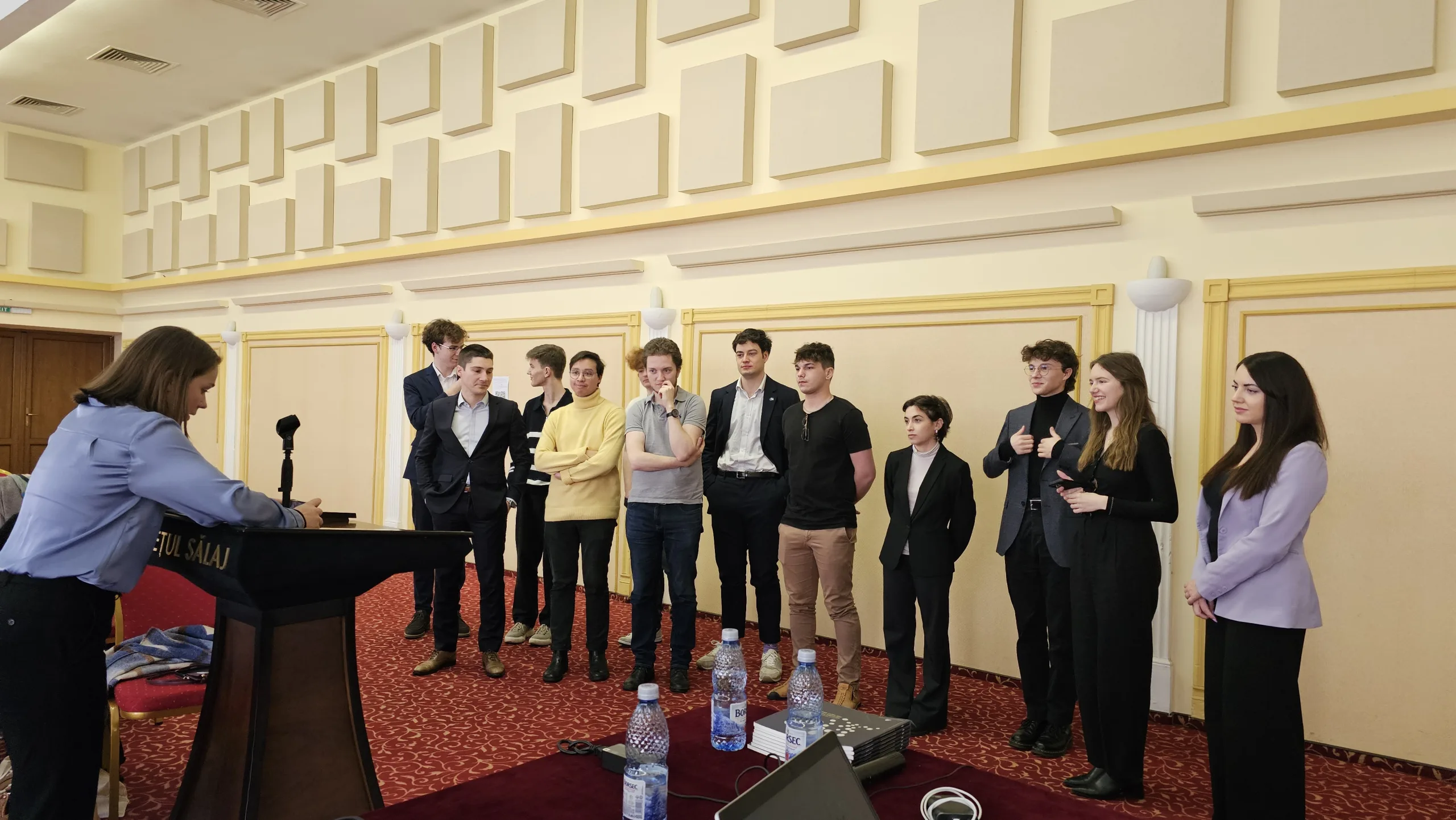
The Youth Regional Network (YRN) General Assembly 2024 took place between the 14th and the 17th of March in Zalău, Sălaj County, Romania. Marking the first revival anniversary of the YRN, the event featured numerous engaging activities for young people, study visits, YRN Presidium elections, and a MEET Debate on the Future of Europe.

The YRN General Assembly was a great success, gathering up to 80 diverse participants from all over Europe: young people (YRN members, local high school students, youth council representatives…) themselves of course, as well as politicians and civil servants from AER member regions in Sălaj, Nordland, Primorje-Gorski Kotar and Maramures Counties, dedicated to supporting the programme.

A Memorable Event

The much-anticipated event began with a warm welcome from the AER Secretariat, the YRN President, Jim Simonsen Jenssen, and the YRN Vice-President and host, Norbert Nagy. Participants were presented with a general overview of the host region, Sălaj County, and were given an insight into the many activities to come. The welcome reception was the perfect opportunity for existing members to reunite, and for prospective ones to introduce themselves and get to know the others ahead of the event.

In the following days, participants had the chance to attend workshops organised by the YRN Thematic Committees on Youth Participation & Governance, Gender Equality & Women’s Empowerment, and Mental Health & Wellbeing. The workshops allowed young people to participate in and contribute to important discussions on topics they are passionate about, allowing them to share opinions, experience, best practices and challenges, and to come up with ideas for future activities.

Workshop organised by the TC on Youth Participation & Governance, facilitated by Chair Sigrun Myrvang

The conclusions of each workshop (from mental health resources and strategies to encourage youth participation, to possible campaigns advocating for gender equality) aim to shape the future work of each Thematic Committee.

Workshop organised by the TC on Gender Equality & Women’s Empowerment, facilitated by Chair Maylinda Bajrami

The workshops even allowed for online participation, ensuring that active committee members unable to travel still had the opportunity to give their input and contribute to the conversation.

Workshop organised by the TC on Mental Health & Wellbeing, facilitated by Chair Cinta Serras

Furthermore, the hosts at Sălaj County Council allowed everyone to explore the region with two insightful study visits – one in Zalău, the County residence, and the other at Fort Silvan, a picturesque vineyard in the Sălaj countryside. During these visits, participants had the chance to immerse themselves in the local culture, sample regional delicacies, and learn about the rich history, culture and traditions of the area. 

Thus, the YRN General Assembly not only facilitated important discussions but also created lasting memories and friendships among participants.

YRN General Assembly & Elections

Every year, the YRN General Assembly allows to take stock of the past year’s activities and achievements, notably by adopting the YRN Activity Report, as well as YRN official statements and policy recommendations. It is also an important electoral moment for the network: the election of the YRN Presidium. The Presidium is composed of the President, two Vice-Presidents, and four Chairs of the Thematic Committees, and is elected by YRN members at the General Assembly.

The elections were preceded by a moment dedicated to the presentation and adoption of the YRN Activity Report 2022-2024, the YRN Policy Recommendations for a more Democratic, Inclusive, Green, and Digital Europe and the YRN Statement on Youth Participation and Governance. This content, demonstrating the achievements of the YRN over the past year, fully marked the anniversary of its successful revival.

The outgoing Presidium bid farewell, expressing gratitude for the wonderful year of hard work of the YRN and its members. Then, online and in-person participants were able to meet the candidates for the Presidium and ask them relevant questions before voting.

The members have chosen! – Here are the names of the newly-elected Presidium:

  • President: Norbert Nagy, Sălaj
  • First Vice-President: Sigrun Myrvang, Innlandet
  • Second Vice-President: Kassandra Petsa, Nordland
  • Chair of the Thematic Committee on Youth Participation & Governance: Mathilde Colarte, Wallonia
  • Chair of the Thematic Committee on Mental Health & Wellbeing: Jack McLaughlin, Donegal
  • Chair of the Thematic Committee on Green & Sustainable Europe: Marsel Haka, Tirana
  • Chair of the Thematic Committee on Gender Equality & Women’s Empowerment: Elona Matoshi, Kosovo

MEET Debate

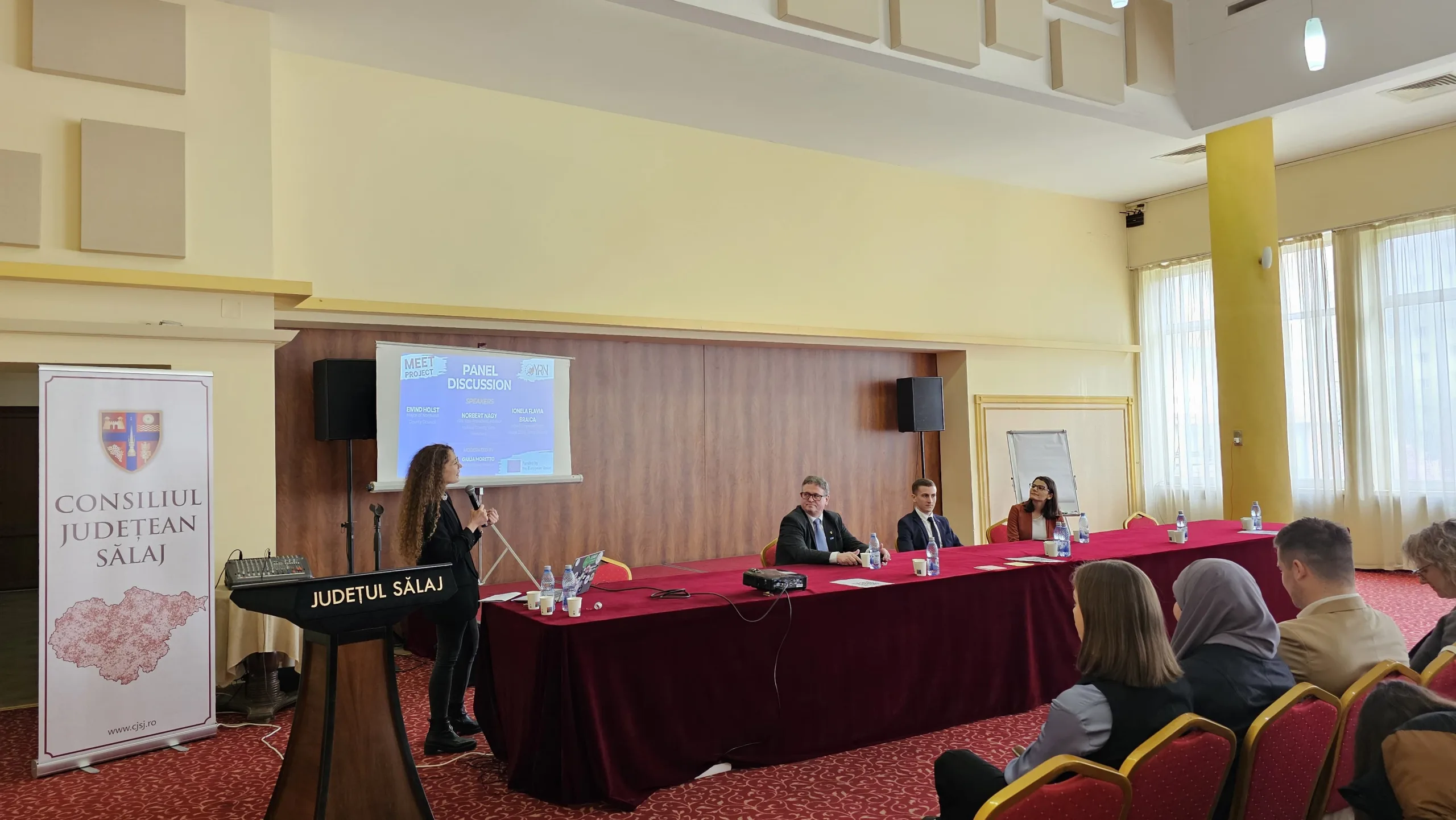
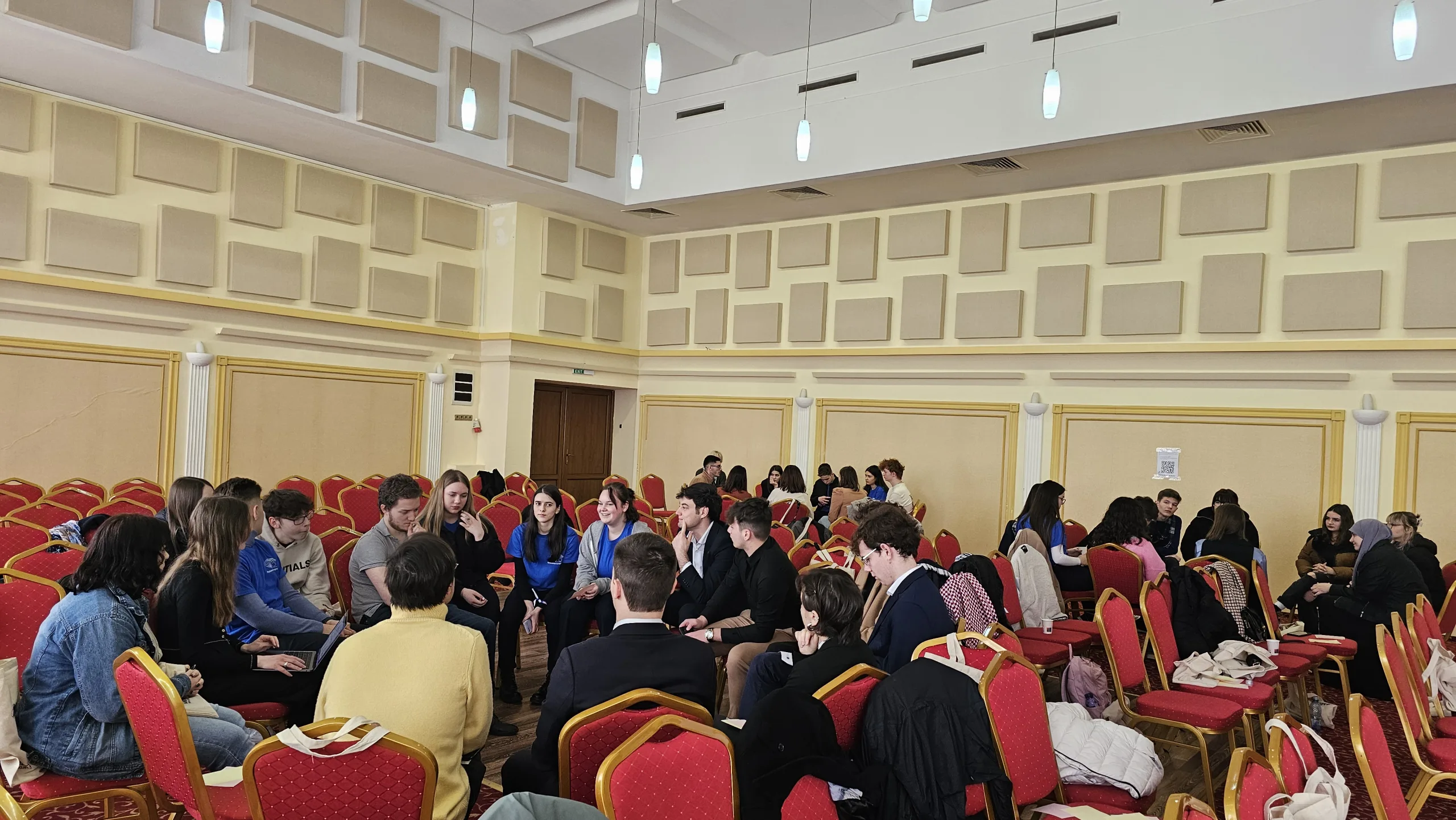
The YRN General Assembly 2024 also featured a MEET Intergenerational Regional Debate on “citizens’ participation in the upcoming EU elections and the role of the EU in the green transition”, part of the MEET (Mobilise Europe = Engage Together) Project funded by the European Union. The debate took place on Thursday, the 15th of March, and gathered at least 70 participants from all over Europe. The purpose of the Debate was to create a space for young people from different backgrounds to connect and to engage in meaningful conversations about the future of Europe in view of the upcoming European Elections.

The start of the discussions was marked by keynote speeches from YRN President Jim Simonsen Jenssen, YRN Vice-President and host Norbert Nagy, Sălaj County President & Vice-President Dinu Iancu Sălăjanu and Szilágyi Róbert István, and Marina Medarić, Subprefect of Primorje-Gorski Kotar County Council, Co-Chair of the AER Election Committee.

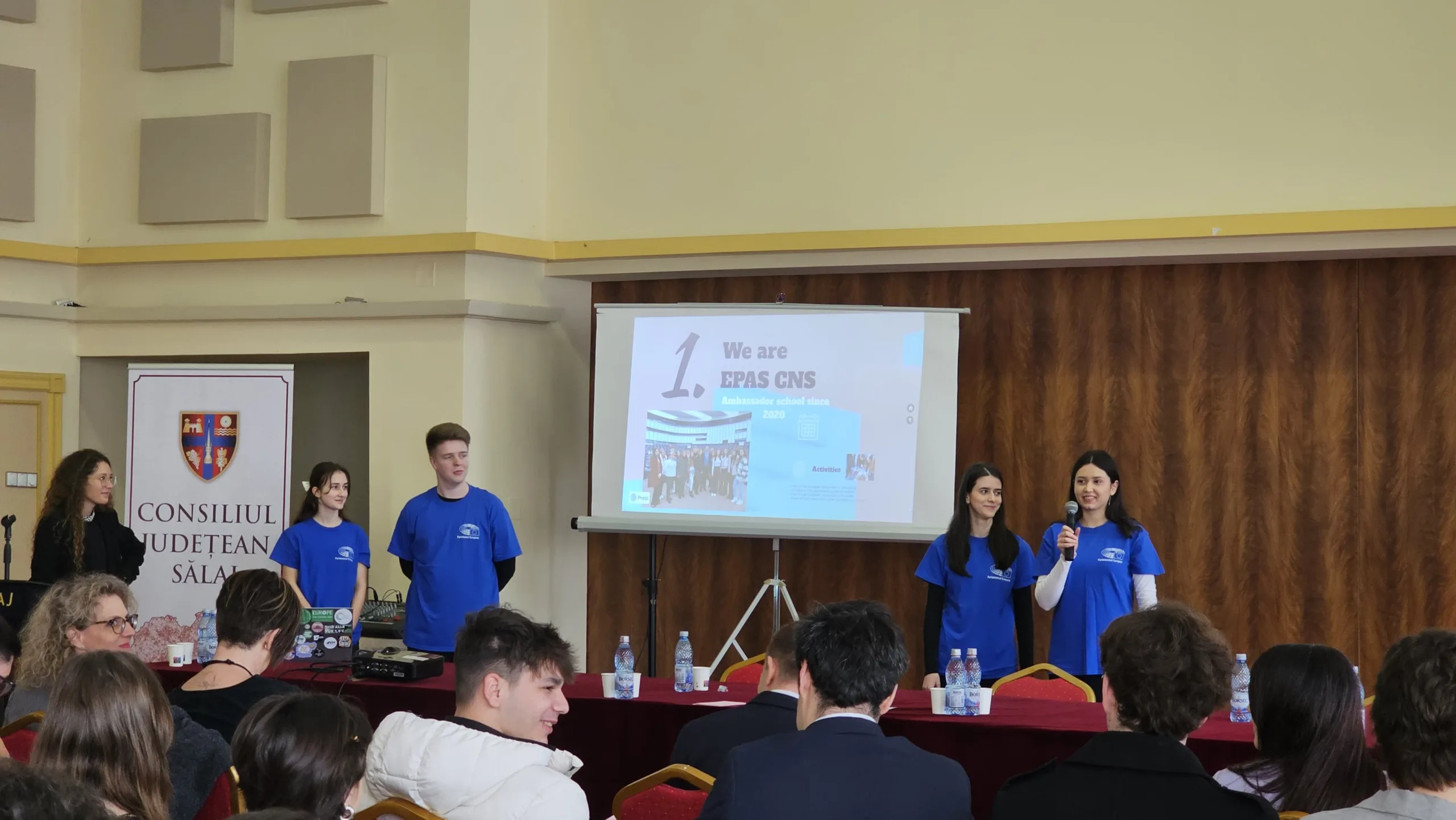
Next, students from Colegiul National Silvania in Zalau, a European Parliament Ambassador School, delivered a presentation on the forthcoming EU elections. They educated participants about their voting rights, election procedures, and the functioning of the European Union.

The debate featured three main activities surrounding the EU elections and the green transition:

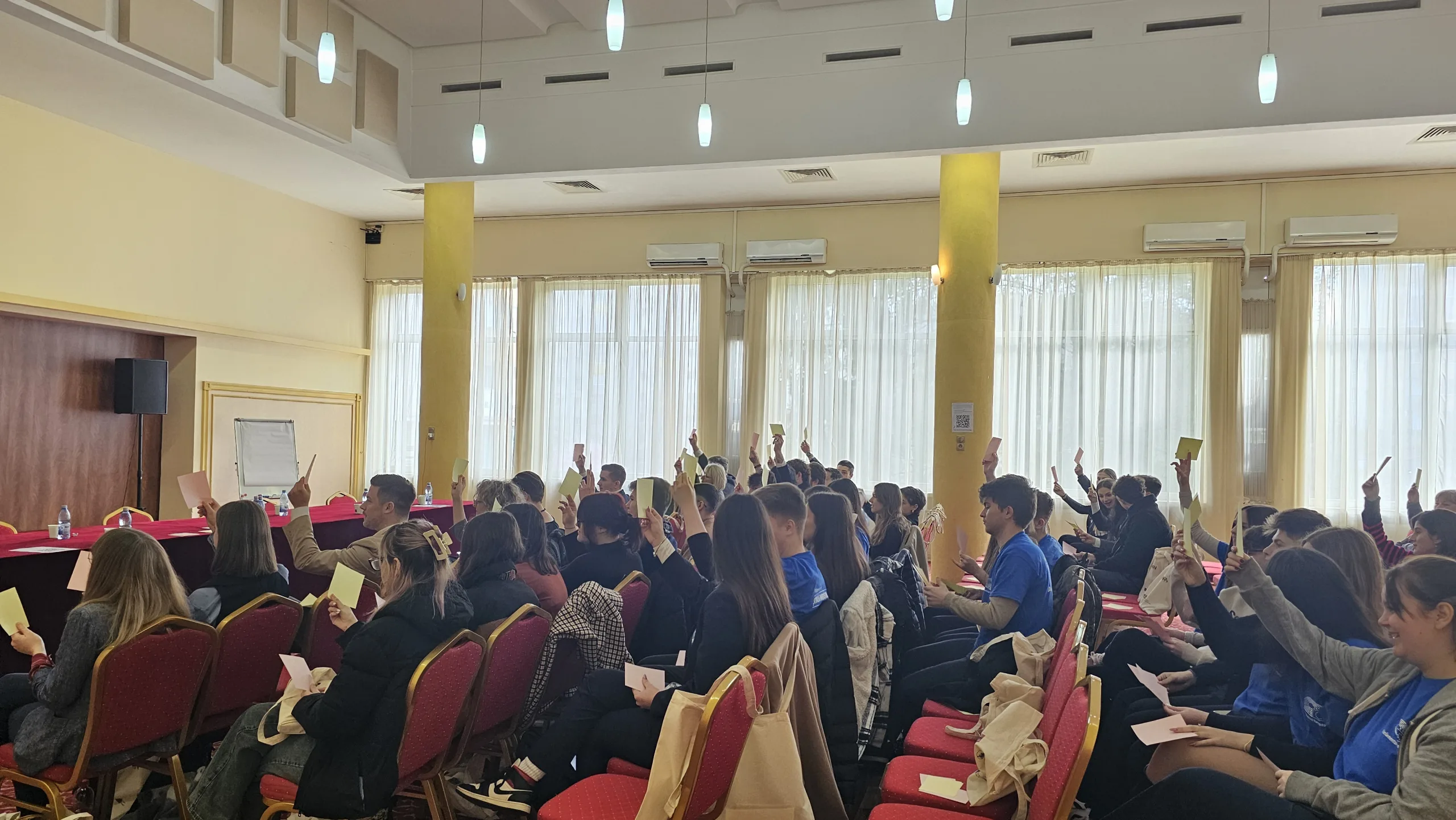
  • A general quiz to help participants ease into the topics and familiarise themselves with the concept of the debate: participants were given two coloured cards to be used during the multiple-choice quiz. Depending on their answer, they had to lift up the colour corresponding to their choice.
  • A panel discussion: The panel comprised representatives from three distinct European regions, offering a diverse range of perspectives:
  1. Norbert Nagy, YRN Vice-President from Sălaj County
  2. Eivind Holst, Mayor of Nordland County Council
  3. Ionela Flavia Braica, Jebel European Youth Village 2024, Timiș County

The discussion mainly focused on the implementation of the green transition in Europe, taking into account the needs and requests of the younger generations regarding the most pressing environmental issues. This topic is of particularly great importance for the YRN given the existence of the newly-created Thematic Committee on Green & Sustainable Europe. Thus, participants were eager to contribute to the conversation, sharing their opinions and suggestions on what could be done in order to ensure a more sustainable future for Europe. 

  • Discussion groups: to ensure that all participants at the debate had the opportunity to speak and share their opinions, attendees were divided into 3 smaller discussion groups and asked to delve further into the topics of the debate. Attendees were very enthusiastic and reached insightful conclusions regarding Europe and its future.
Follow AER!
Facebooktwitterlinkedinrss

Highlights of the AER Winter Dialogues 2023 – Autumn Bureau Meeting & MEET Intergenerational Debate

19 December, 2023 By Barbara Polin

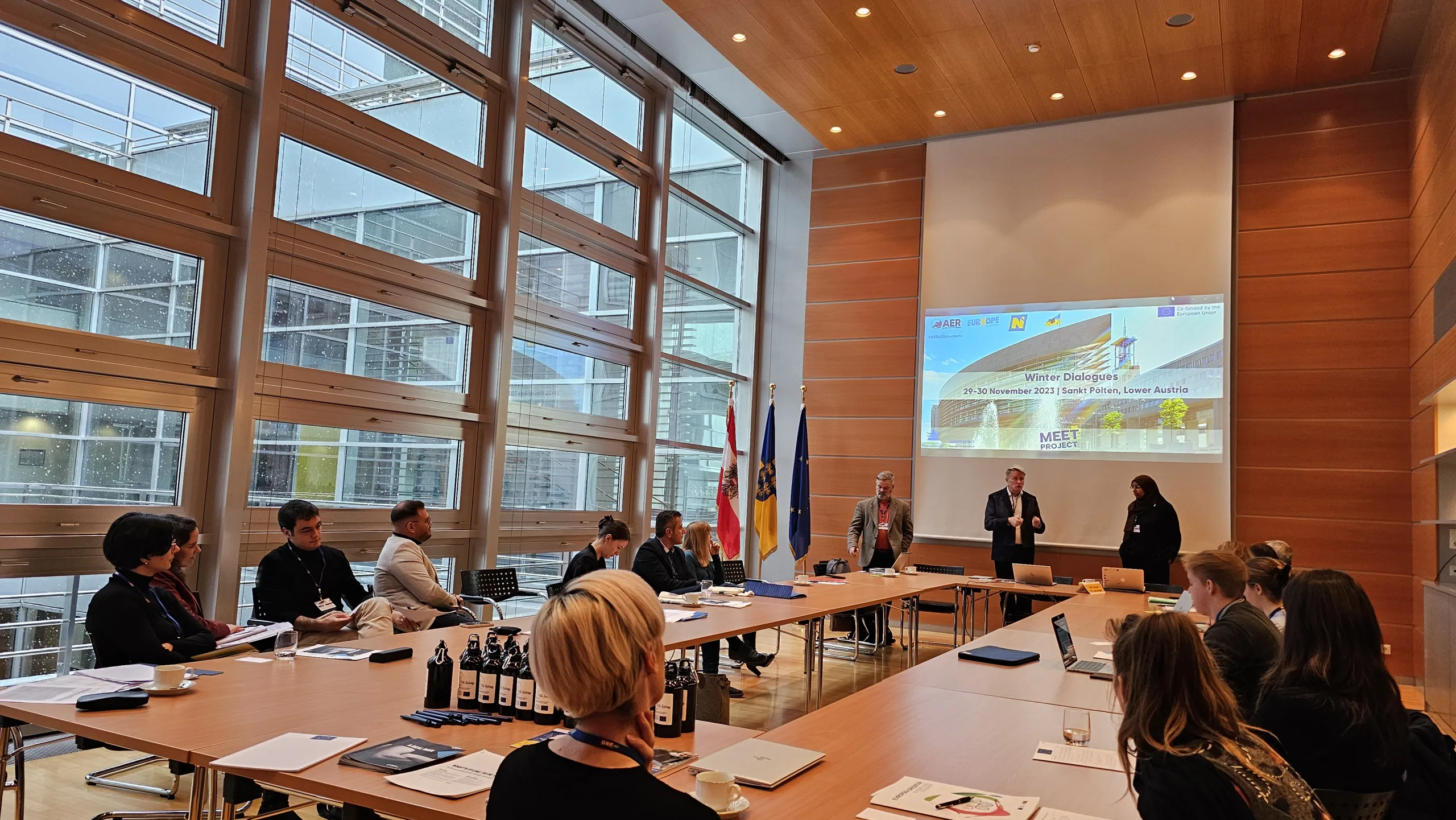
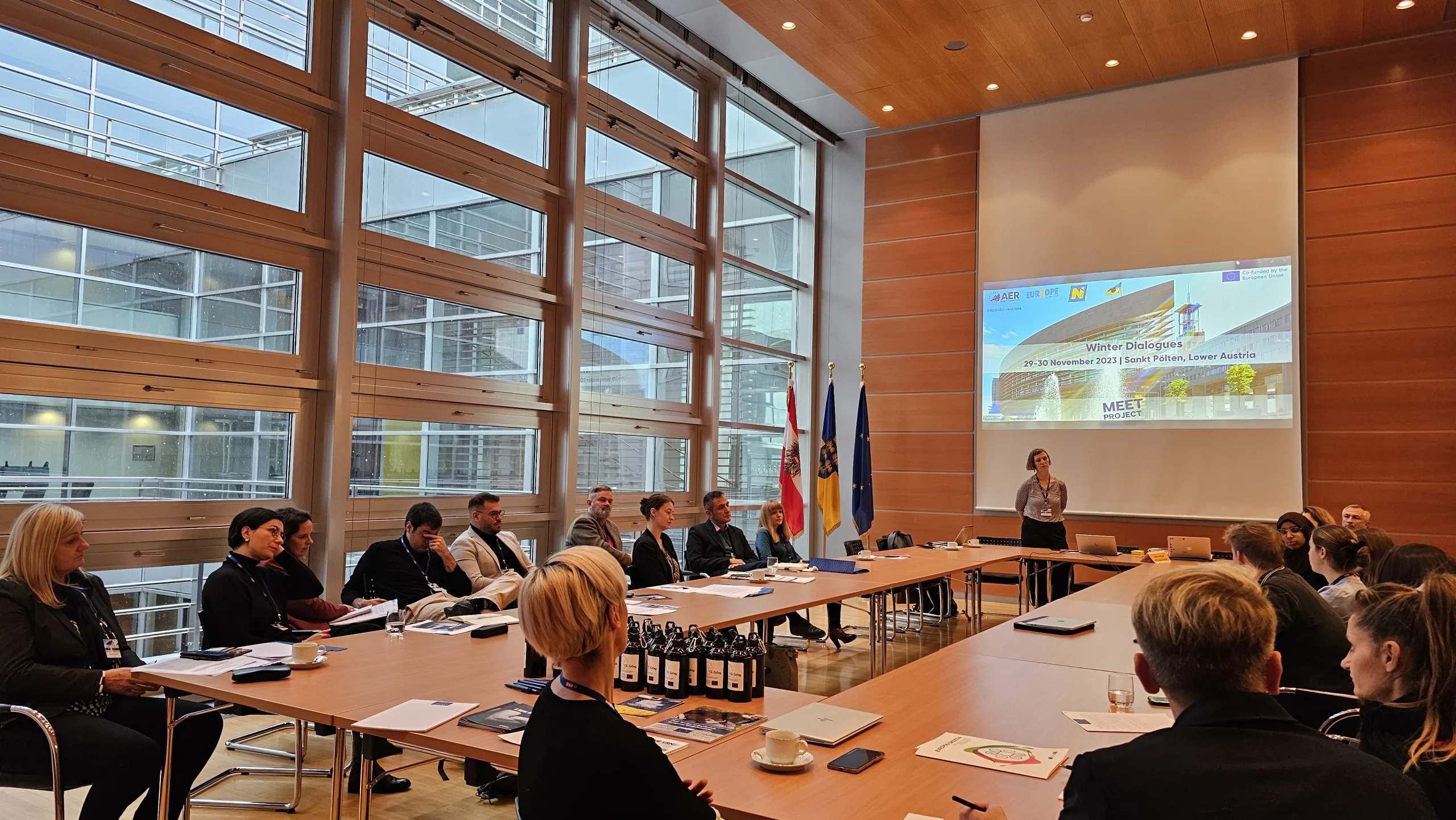
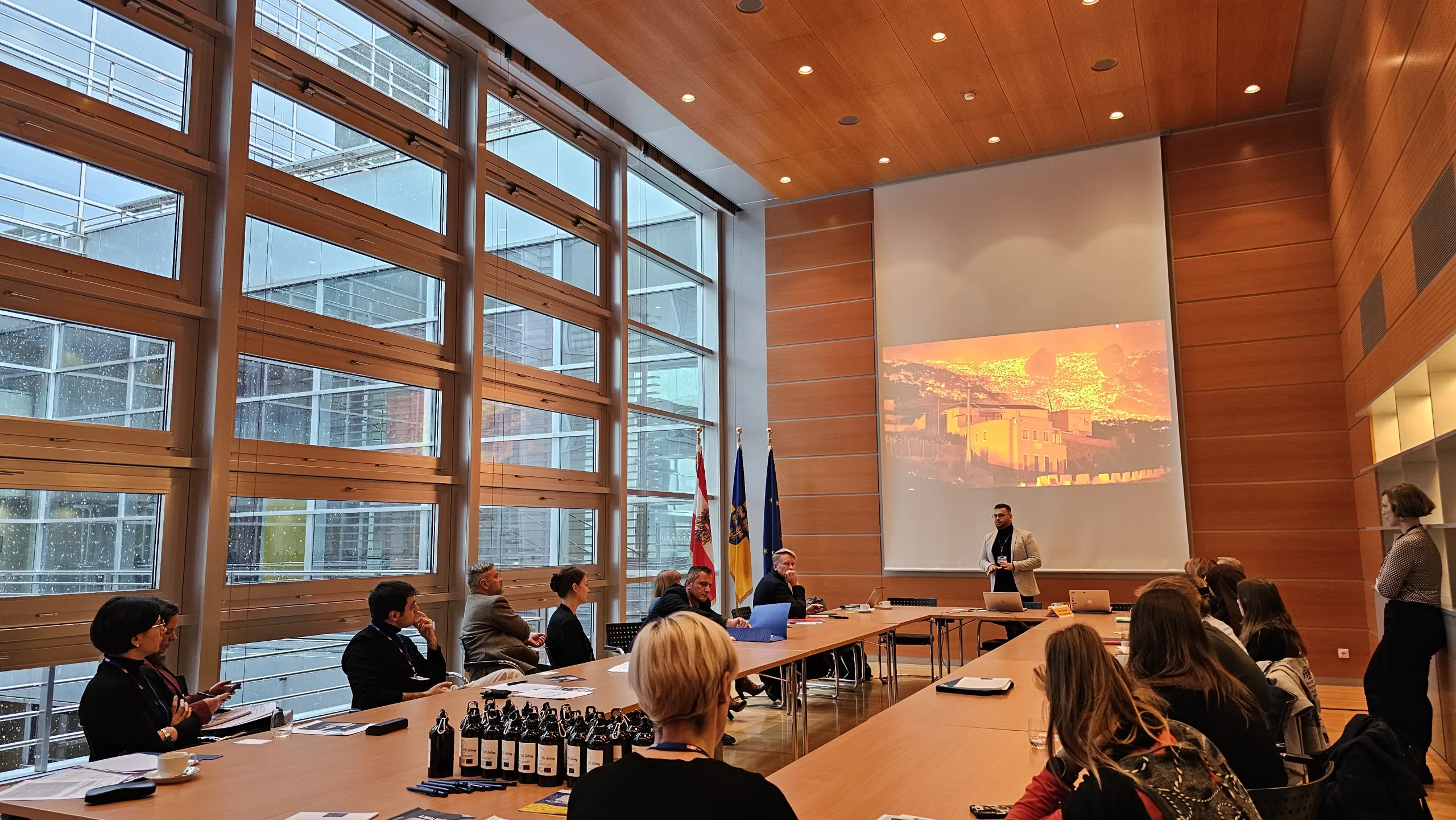
The AER Winter Dialogues on 29 and 30 November 2023 in Sankt Pölten, Lower Austria were an opportunity to practice and showcase the different activities which build the AER’s pan-European network, from the Workshop on Mental Health chaired by Värmland to the Bureau session on the future Cohesion Policy.

Workshop on Mental Health and Study Trip to the Agrana Plant

The AER Winter Dialogues opened with an actively participated workshop on Mental Health chaired by Daniel Schützer from Värmland. Members exchanged about the challenges linked to social isolation, deep fake and changing relationships in an online world, as well as emergency situations such as natural disasters. The workshop was co-designed with the Youth Regional Network, and counted with the contribution of Jim Simonsen Jenssen, the YRN President, and several YRN members.

A peek in the AER Workshop on Mental Health on 29 November

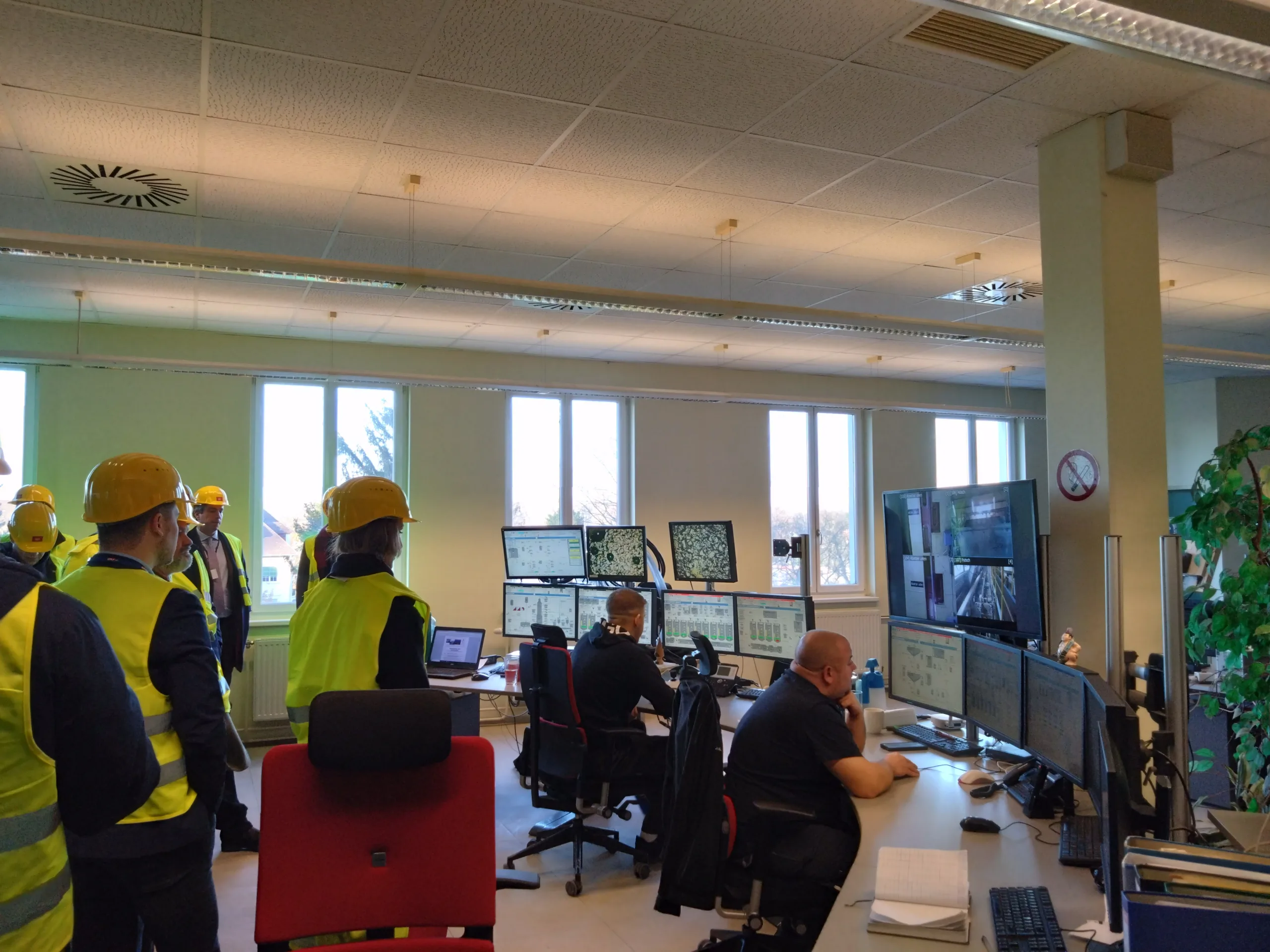
Later in the day, knowledge transfer took the shape of a study trip to the sugar refinery plant of AGRANA Group, a leading actor in the bio-economy in Lower Austria, where participants learned about multistakeholder partnerships and circular approaches. The study trip gave insights on the complex processes needed to maintain constant the supply of a critical ingredient like sugar, and highlighted the efforts done by of Agrana to boost its environmental and socio-economic sustainability.

Participants during the visit at the Agrana plant

Interested in knowing more about the Working Group activities? Feel free to contact the AER Knowledge Transfer and Policy Coordinator, Johanna Pacevicius

Lower Austria: a meeting point between modernisation and tradition

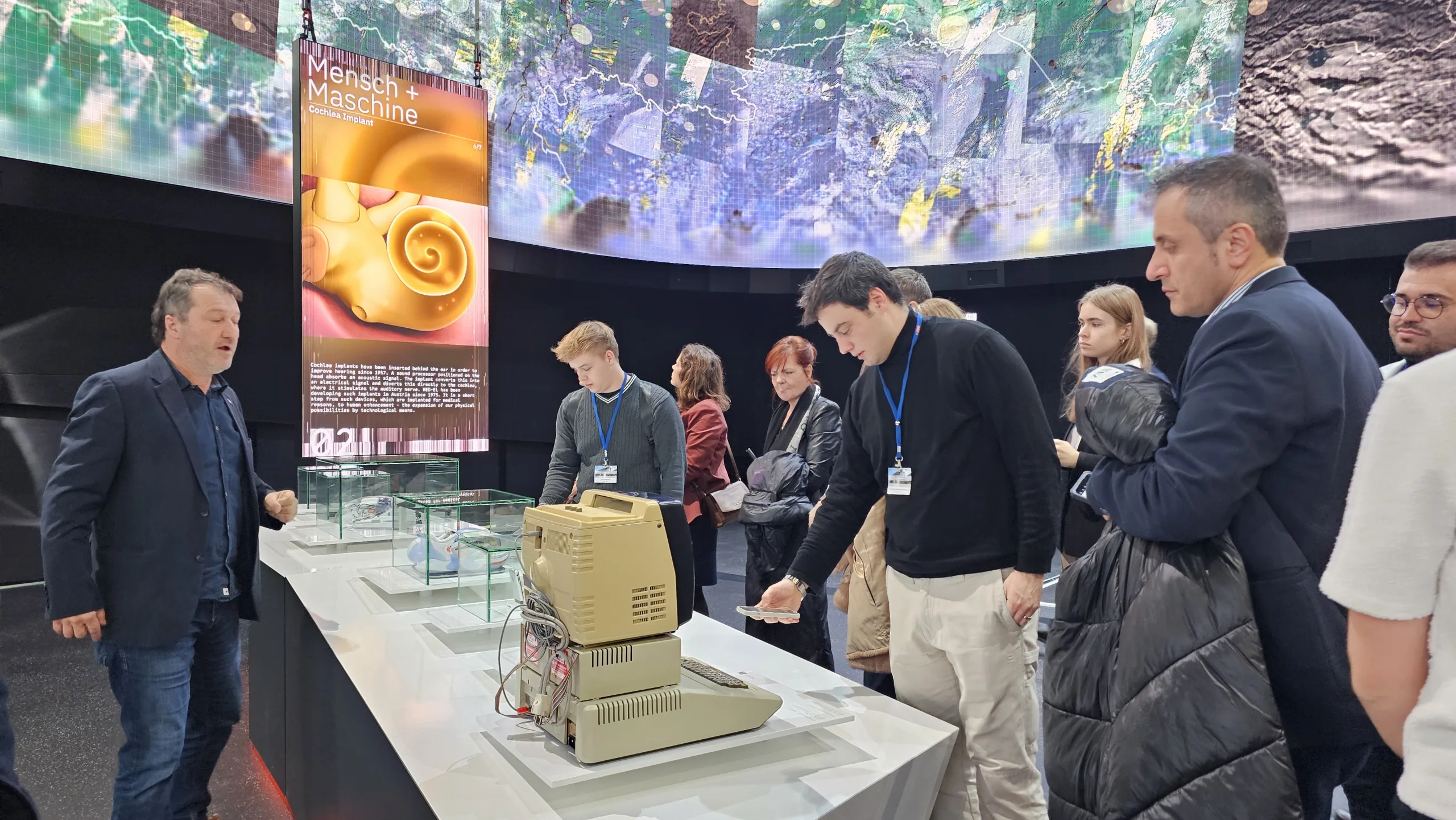
Close to its traditions and with an eye to the future, the host region of Lower Austria kicked off and wrapped participants could enjoy a guided tour of the House of Digitalisation,  Lower Austria’s central contact point for companies and experts in the field of digitalisation. Since its opening in December 2022, it has been focusing on supporting domestic small and medium-sized enterprises on their way into the digital future and on making the topic of digitalisation easy to communicate to young and old.

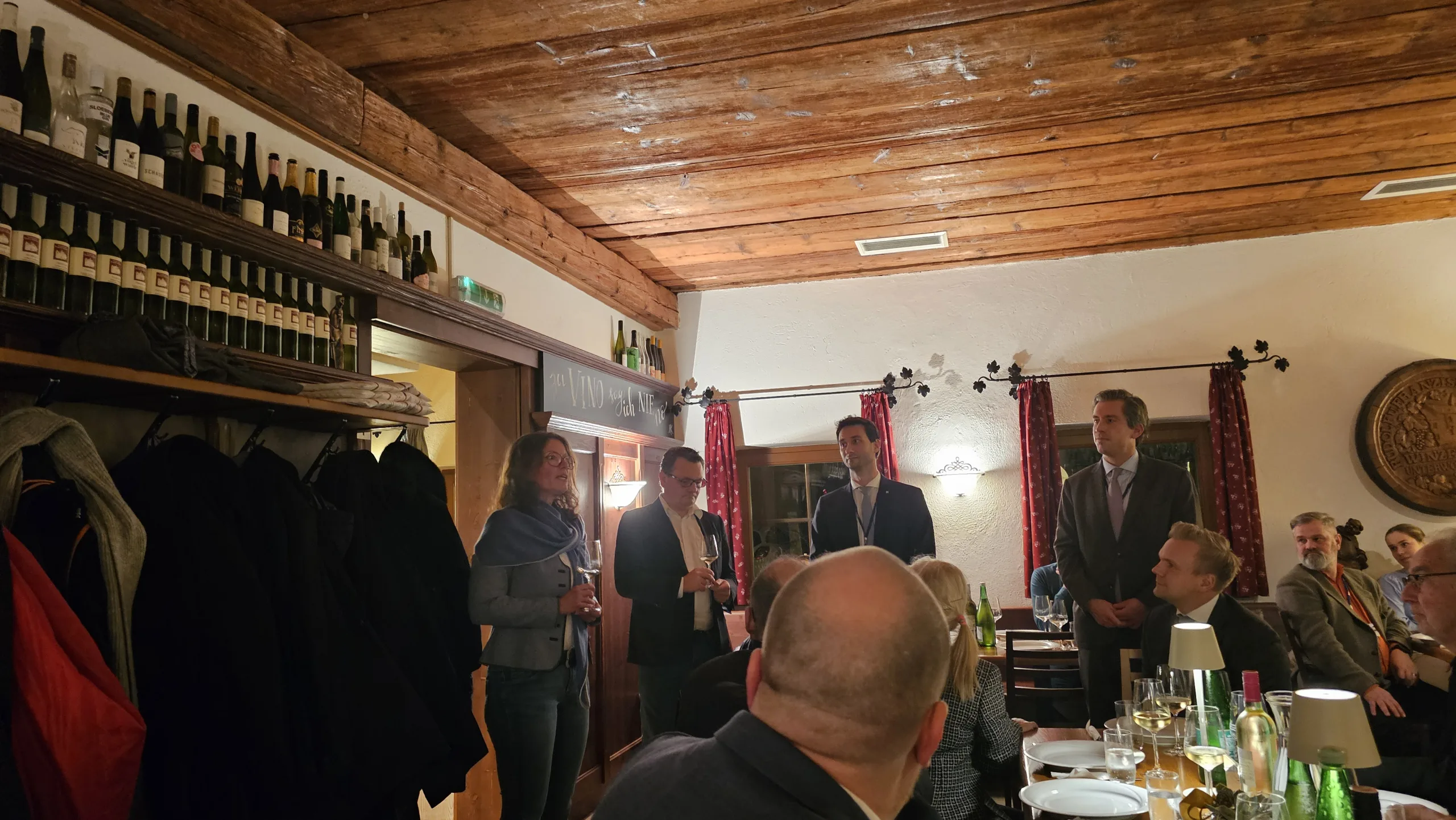
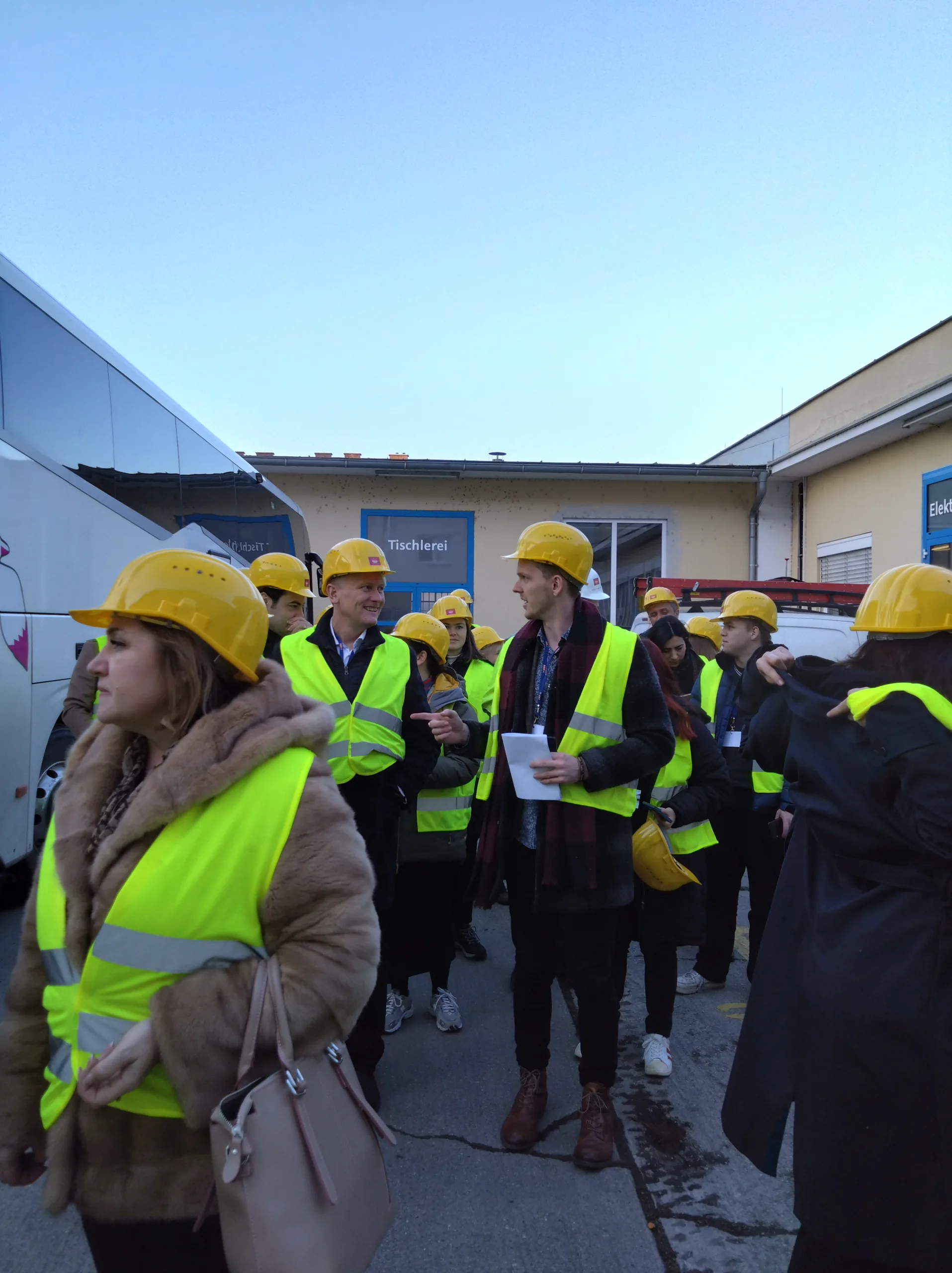
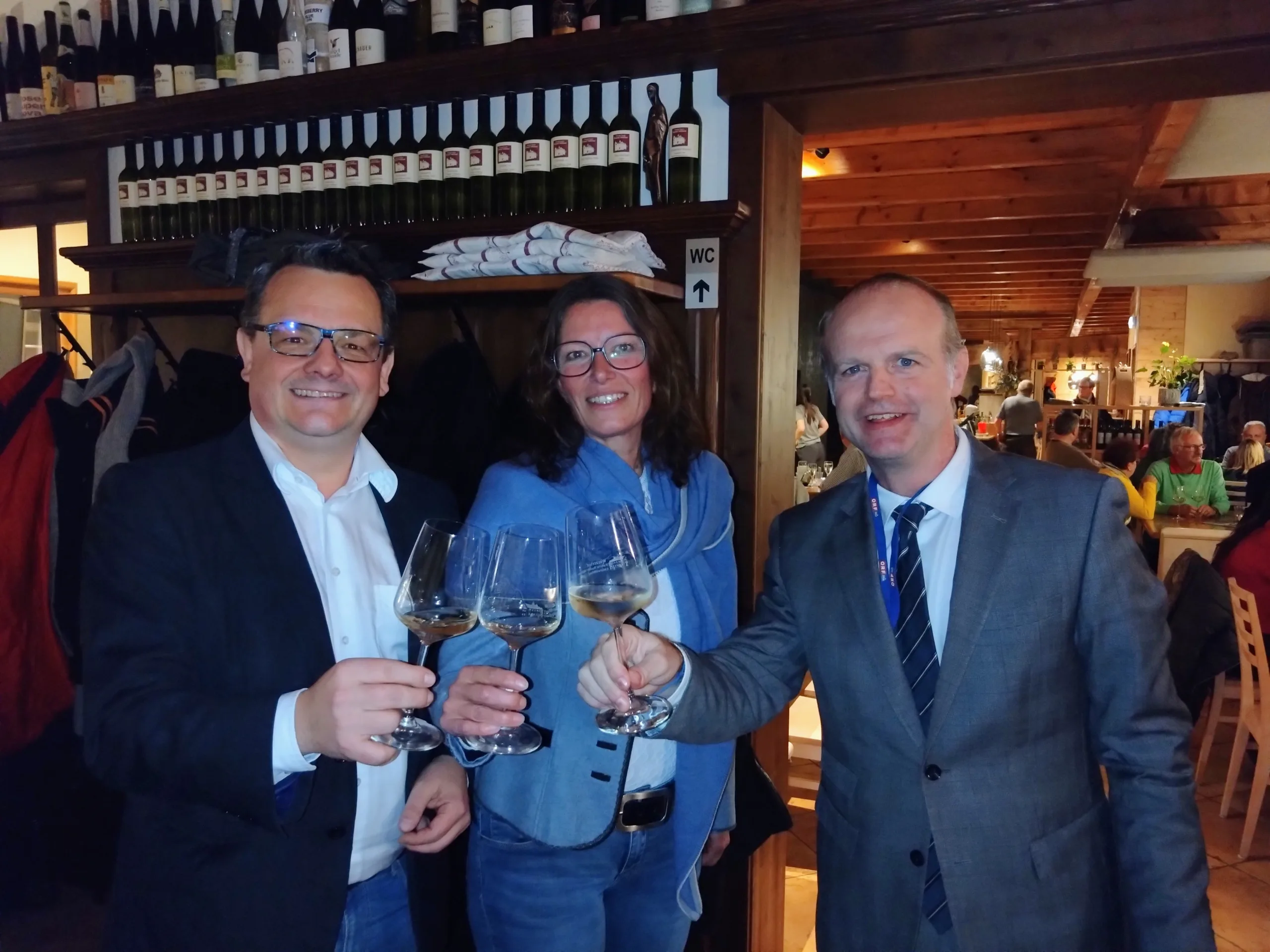
In the evening, participants could exchange opinions and reflections in front of the famous wines and traditional food of Lower Austria.

Autumn Bureau Meeting and the future Cohesion Policy

The second day of AER Winter Dialogues hosted the Autumn Bureau meeting, where the Position on the Future of Work was adopted, establishing the AER view on how Europe should adapt to the transformations in the world of work. The meeting also facilitated discusiions and ratification of the #AER Manifesto for the European Parliament Elections 2024, outlining AER’s strategic priorities for the upcoming mandate. Additionally, Bureau members endorsed the establishment of two new Task Forces, focusing on Decarbonisation and on Rural Development and Agriculture. For those interested in joining the Task Forces, see the call for expressions of interest HERE. Furthermore, the Bureau agreed on the process for shaping AER’s political priorities for 2025-2030.

The Autumn Bureau represented an opportunity to discuss the challenges and opportunities of Cohesion Policy ongoing implementation. It also addressed the future #CohesionPolicy post 2027 and the gaps it could fill in if designed properly, namely by taking into account the principles of partnership, multi-level governance and place-based approach. AER Vice-President Lilijana Madjar underlined the need for consistent financial support and long-term focus when drafting the next Cohesion Policy legislative package. In addition, Bianca Faragau of the European Investment Bank (EIB) highlighted EIB’s financing opportunities for LRAs (Local and Regional Authorities) which translate into loans for investment and technical assistance to prepare and implement locally-led projects. Finally, Francesco Molica of European Commission presented the main criteria to consider when shaping the discussion on the post-27 Cohesion Policy. More precisely, he mentioned governance, performance, territorial needs, EU funds impact in the regions and their potential use for crisis-management. The Autumn Bureau also provided the space for members to discuss and approve the #AER political priorities for the upcoming EU elections and their aftermath.

Youth on the move: the preparatory workshop by the AER Youth Regional Network

Revamped in March 2022, the AER’s Youth Regional Network proved to be a catalyst for youth voices in Europe. The preparatory workshop on 30 November was an opportunity to explain how this catalyst works, highlighting its added value within the AER wider network. This meeting was particularly important as it was joined by youth participants covered by the AER Solidarity Fund, which enabled a wider and more consistent representation of young people across Europe, from the Netherlands to Azores to Lower Austria. The contributions about the topics of democratic Europe, green Europe and inclusive Europe led to the drafting of concrete policy recommendations about youth expectations and priorities for the upcoming EU elections in 2024. Stay tuned for updates!

Bureau Discussion: “The future of Europe: An Intergenerational Debate”

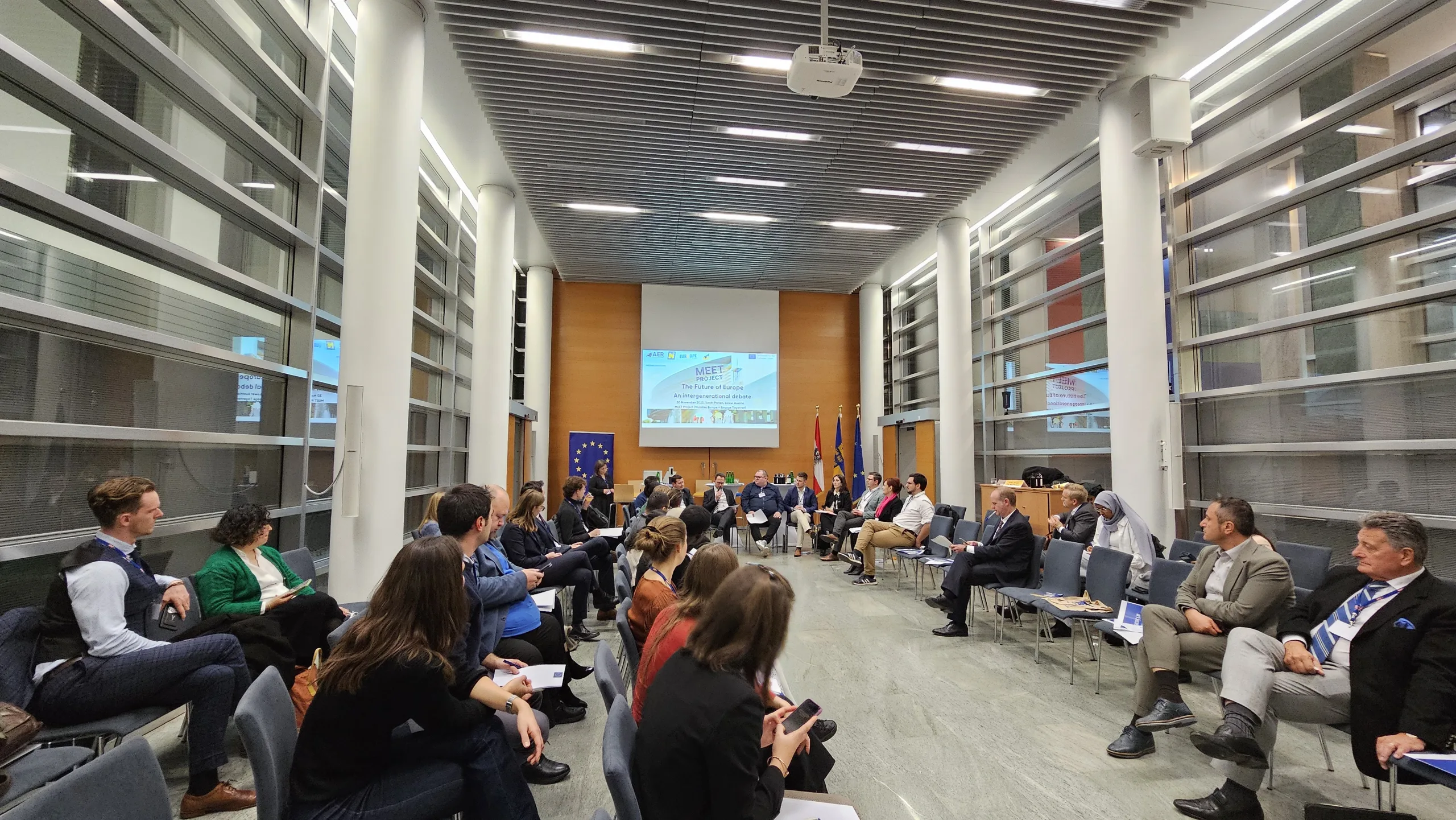
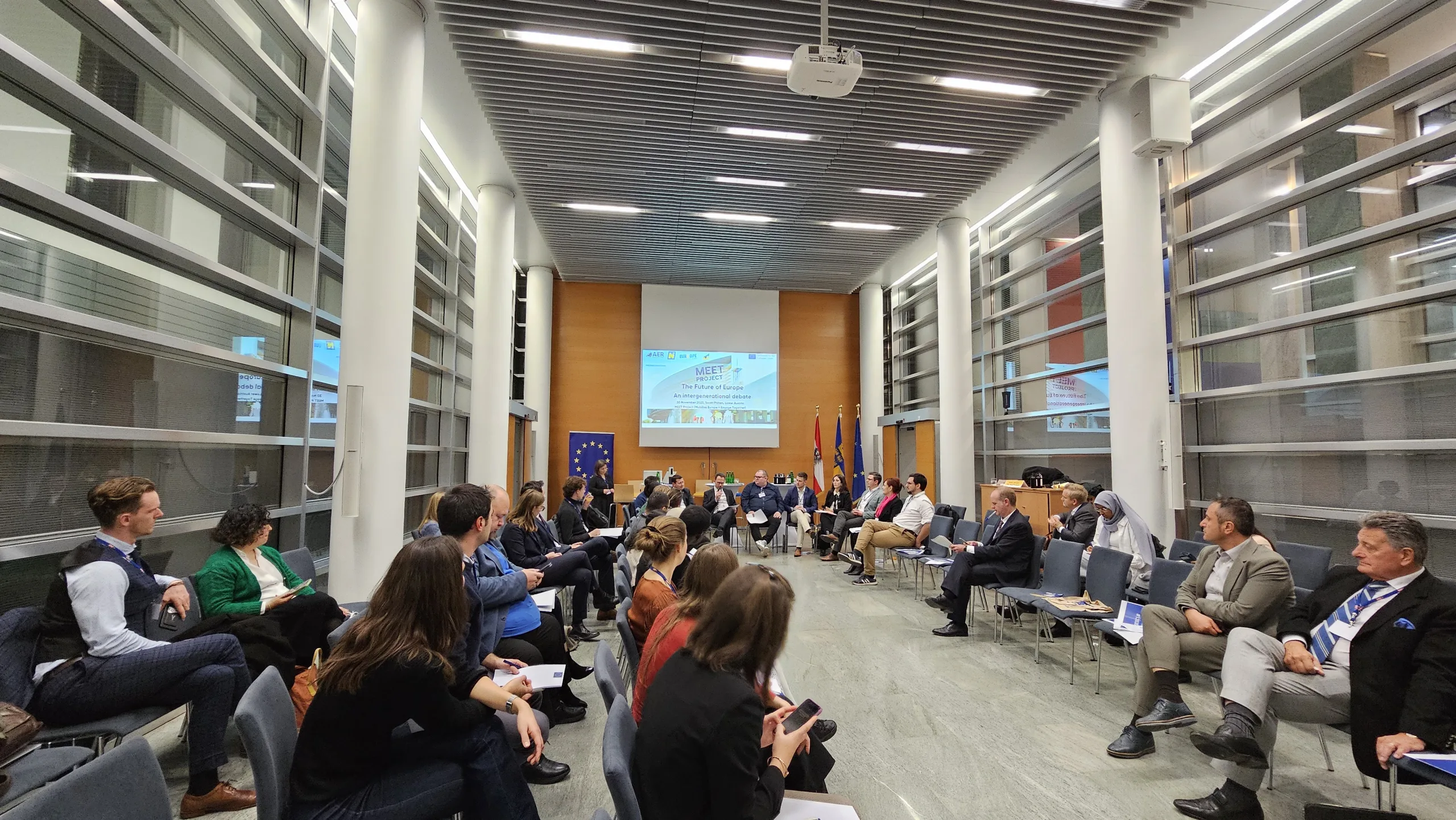
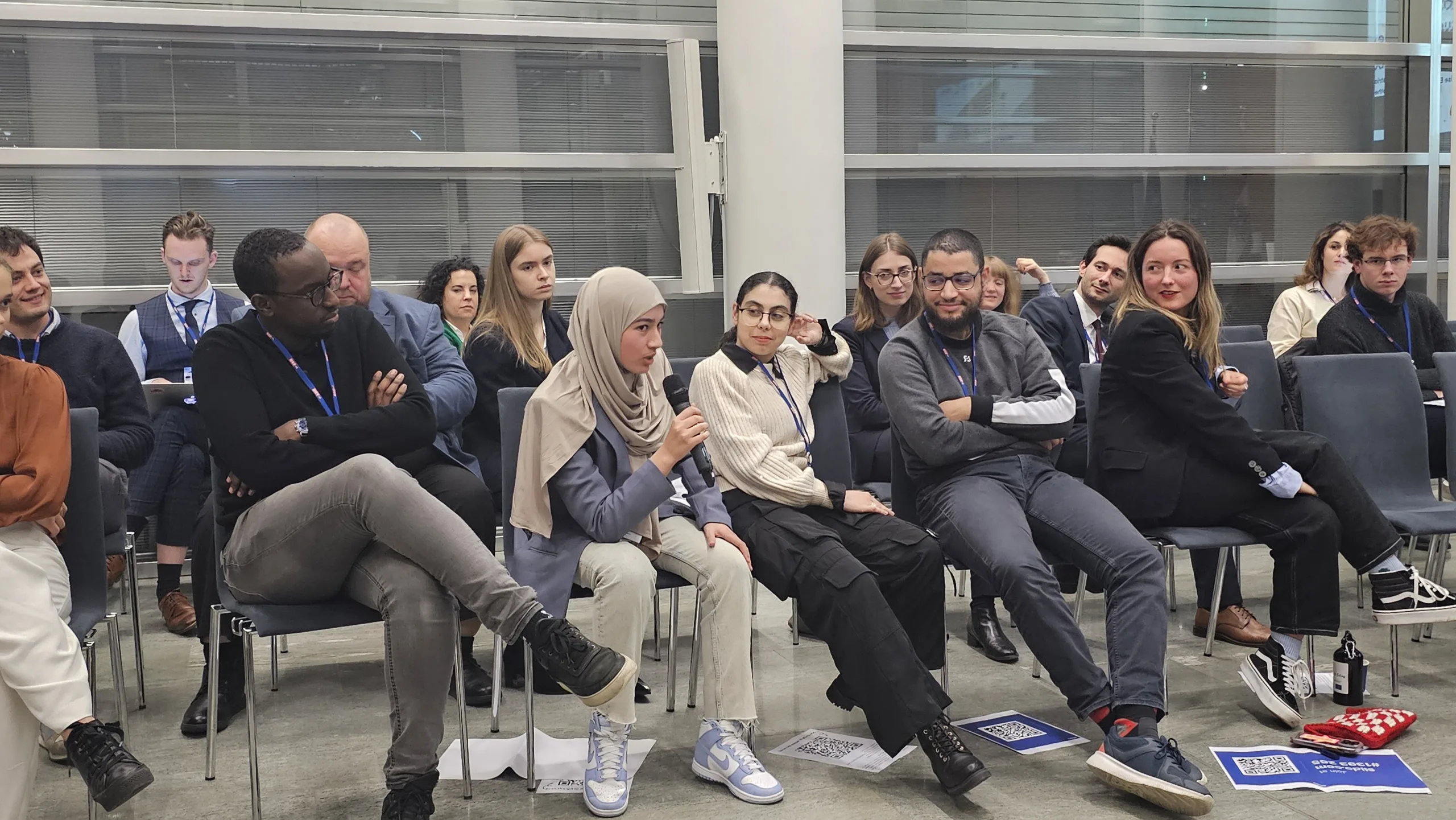
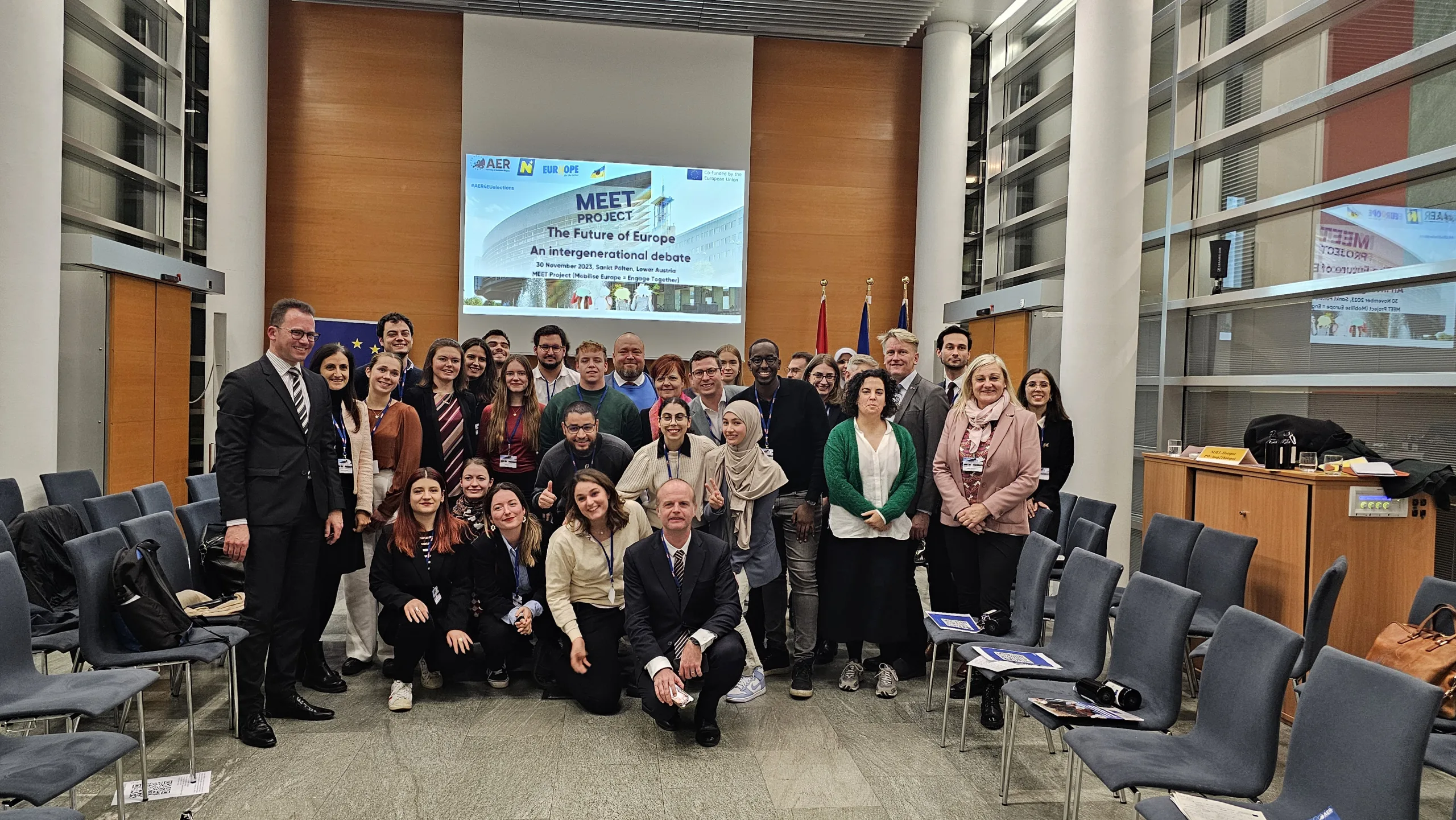
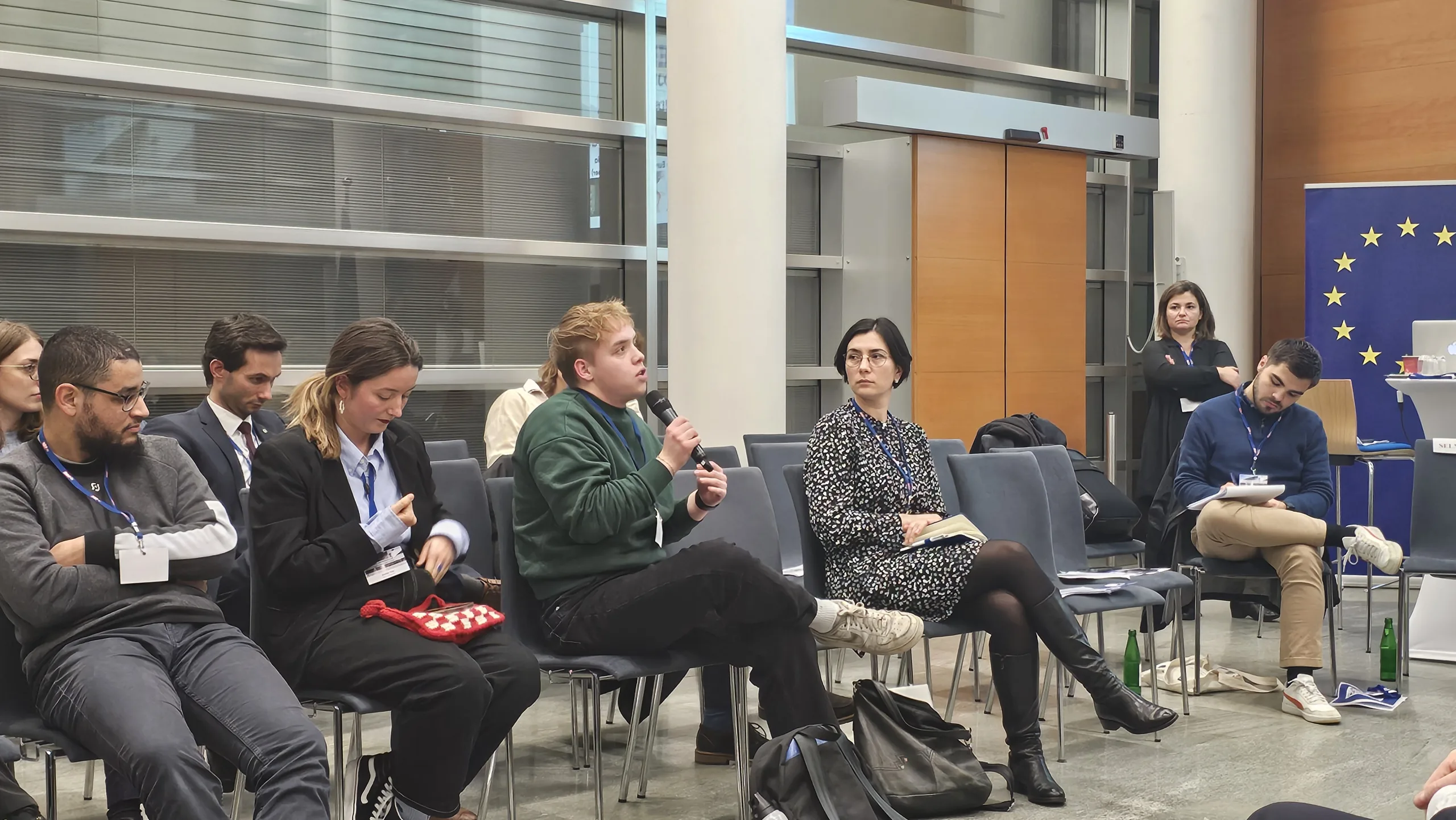
The AER Bureau Meeting set the stage for the  #MEET debate on the Future of Europe. This debate, the third in the series and funded by the CERV-programme of the European Union, brought together prominent speakers and engaged the audience in critical conversations about democracy, the green and digital transition, and building an inclusive Europe, especially in light of the EU #greendeal. Keen on bridging differences and, actually, on building upon them, the debate aimed to bring together the points of view of different generations.

The debate was joined by Martin Selmayr, Head of Representation of the European Commission in Austria, Rareș Voicu, Board Member of the European Youth Forum, Johannes Sundelin, AER Vice President for Sustainability, Green Transition and Health, Norrbotten Region, Jim Simonsen Jenssen, President of the Youth Regional Network, Michael Stellwag, Young Local Councillor for Europe, Lower Austria, Mariana Dutra Borges, Youth Representative, Region of Azores.

The debate highlighted the urgent need for lowering the social, political and technological barriers to voting, especially when it comes to the young citizens. Representation cannot be not only a by-product of elections, but it must also be the condition that enables and enhances political participation. In this regard, initiatives like the Conference on the Future of Europe in 2022 proved useful to bridge the distance between EU institutions and its citizens.

At the same time, representation requires an accurate understanding of the key issues affecting the EU citizens. Social welfare and the green transition are the two of the key stakes felt across the Union, as illustrated by the AER Vice President Johannes Sundelin through the example of the ongoing strikes between the Swedish labour unions and the US-based company Tesla. In this sense, a key priority that was highlighted was the necessity to make the green transition as substantial opportunity rather than an imposed environmental measure.

To be real, representation has to reflect and uplift the different members of society. For this reason, it is key to engage youth, in particular the young expats, in driving forward the EU democratic process.

The MEET project is funded by the Citizens, Equality, Rights and Values ​​(CERV) 2021-2027 programme of the European Union. The project is coordinated by European Youth Forum and AER is implementing various activities in different regions. The YRN preparatory workshop and Bureau debate took place in the context of the MEET project.

Ukraine Focus Group: the role of regions and enterprise in Ukraine’s economic renewal

The final event of the Winter Dialogues turned to AER’s ongoing work in support of Ukraine. The AER’s Ukraine Focus Group gathered  at the House of the European Union in Vienna to discuss the role of regions and enterprise in the reconstruction of Ukraine. 

The final meeting of the Focus Group in 2023 was hosted by Vice President Lukas Mandl MEP alongside the Federation of Austrian Industries. This meeting brought together regional and enterprise leaders from Austria, Ukraine and wider Europe to glean insights on the Ukraine Facility from the European Commission’s Natalie Pauwels, complemented by perspectives from Ukrainian industry by Anna Derevyanko the European Business Association. 

The event closed with presentations on business and investment opportunities in Ukraine for Austrian business leaders present by AER members Poltava, Rivne, and Odesa, with AER Vice President Sergii Miliutin from Kryvyi Rih underlining the importance of peer-to-peer platforms like the Ukraine Focus Group in his remarks following the presentations. This sentiment was echoed by AER President Albert Castellanos Maduell in his closing remarks, where he emphasised “the need to mobilise private sector support and investment for Ukraine is crucial,” adding that the AER “welcomes the European Commission’s recognition of the need to support regional partnerships and businesses investing in Ukraine via the Ukraine Facility.” 

Follow AER!
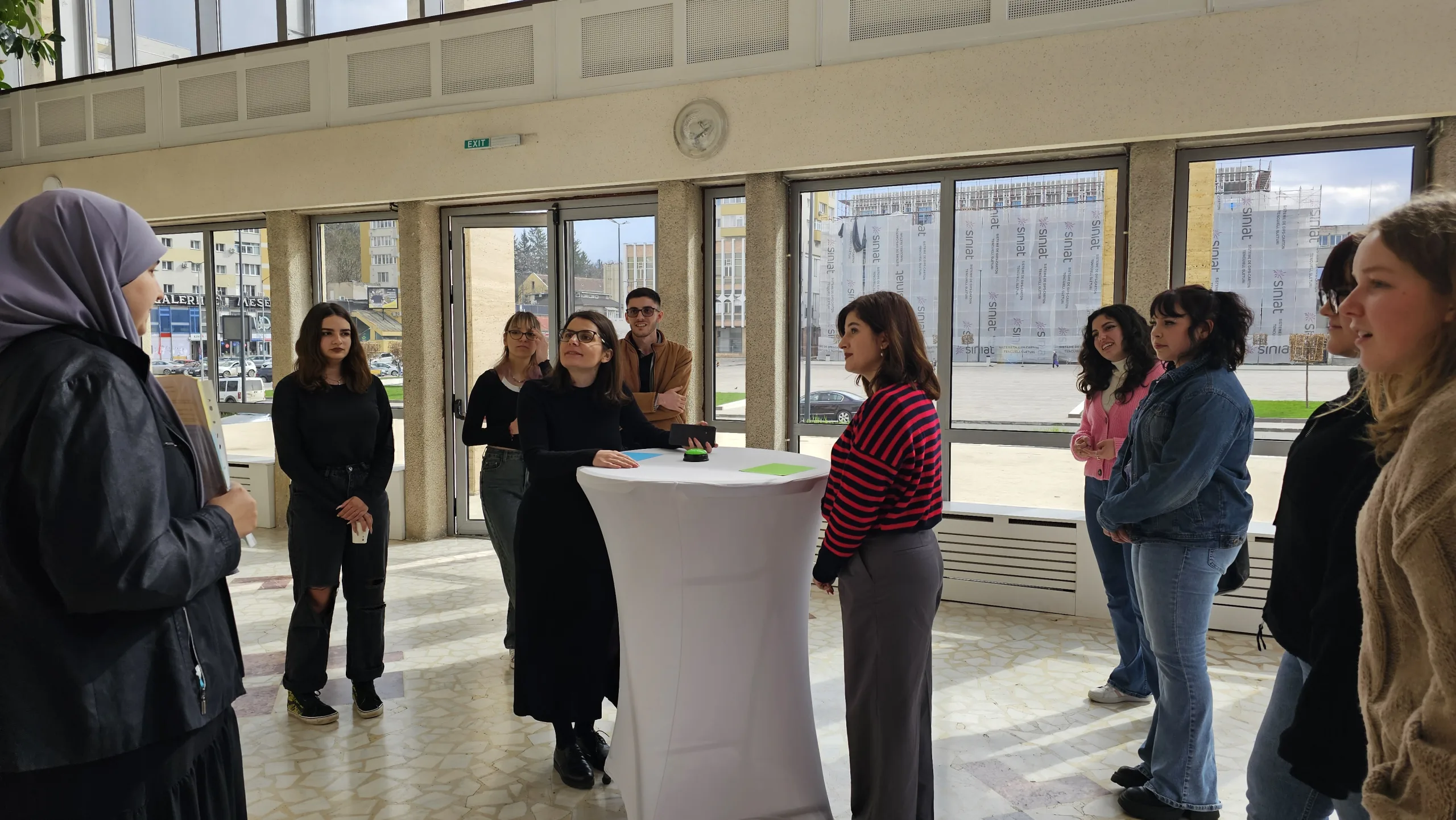
Facebooktwitterlinkedinrss

AER Working Groups at Winter Dialogues

20 November, 2023 By Johanna Pacevicius

The AER Working Groups on Mental Health and the Bioeconomy will gather on 29 November, on the occasion of the Winter Dialogues. This event brings together the policy and knowledge transfer activities of the AER Working Groups with the advocacy work carried out in the Task Forces and the Bureau.

A study visit on the Bioeconomy

Discover a major bioeconomy activity in Lower Austria, with the visit of the AGRANA Plant:

One of the objectives of the Working Group on the Bioeconomy, is to learn more about regional policies and practices on the bioeconomy, learn about challenges and enablers and exchange in order to identify elements of transferability. In this context, the region of Lower Austria, a founding member of the working group is offering a visit to this major stakeholder of the Austrian Bioeconomy.

About the company

AGRANA is the leading sugar producer in Central and Eastern Europe. AGRANA is also the global leader in the production of fruit preparations and the leading producer of fruit juice concentrates in Europe and a major manufacturer of customer-specific starch products and bioethanol in Europe.
The company maintains a global presence with around 9,000 employees based at 55 production facilities located on five continents. In Austria AGRANA Sugar Division operates two production sites, in Tulln and Leopoldsdorf. Seven more production sites are being conducted in five Central and Eastern European countries and the company runs a packaging and distribution centre in Bulgaria.

Regional production is one of the main focuses at AGRANA Sugar. Regional production indeed ensures security of supply, conserves resources, and contributes to a sustainable society. That is why they are strengthening production in their existing locations. The company is supporting farmers and businesses in the regions, while ensuring efficient production operations that enable us to provide quality sugar and services in a sustainable way.

Planning upcoming AER activities on the Bioeconomy

The study visit on the Bioeconomy will be followed by a brief meeting of the working group, to:

  • share experiences
  • define upcoming activities
  • nominate a new Chair for the Working Group

Indeed the current Chair of the Working Group, Aud Hove (Innlandet, NO) finished her political mandate and the Innlandet region suggested a new Chair be appointed by the group.

The Chair of a working group needs to be a politician from an AER member region, and needs to have a seconded officer (a civil servant) to support the organisation of activities. Interested regions can contact AER Coordinator for Policy & Knowledge Transfer Johanna Pacevicius.

Workshop of the Working Group on Mental Health

The AER Working Group on Mental Health, which kicked off activities last month, is chaired by Daniel Schützer (Värmland, SE). The working group is collaborating closely with the AER Youth Regional Network. On the occasion of the Winter Dialogues in Lower Austria, the group will hold its first in-person workshop.

“Fostering resilience, making health a priority”

The first workshop of the AER Working Group on mental health will examine the following questions:

  • why are we seeing such an increase in the need for mental health support
  • how to create more resilience and what would it mean to be strong nowadays?
  • how can this be used for prevention?
  • how to make health and wellbeing a priority across policies

Regions will share the policies and practices they are implementing to address mental health challenges they identified on the occasion of the kick-off meeting.

The workshop will also lead to the definition of upcoming activities for 2024.

Members interested in joining this workshop who may not yet have registered, can contact AER Coordinator for Policy & Knowledge Transfer Johanna Pacevicius.

Discovering Lower Austria’s House of Digitalization

Finally, AER members will also visit the “House of Digitalization” in Tulln, which opened in December 2022, and is Lower Austria’s central contact point for companies and experts in the field of digitalization.

AER events in the regions aim to showcase remarkable practices, for regions to better know each other, set the grounds for future collaborations, and facilitate knowledge transfer between regions in wider Europe.

The Lower Austrian House of Digitalization covers a total area of 4,200 m2 and brings together:

  • a showroom and event area
  • lecture halls of the University of Applied Sciences Wiener Neustadt
  • a gastronomy area with a guest garden
  • office units
  • a science laboratory “FabLab” of the province of Lower Austria.

The focus of the “House of Digitalization” services is to support domestic small and medium-sized enterprises on their way into the digital future and to make the topic of digitalization easy to communicate to young and old.

With an annually changing multimedia thematic staging for digitalization, visitors across all age groups are to be inspired. The spectacular production “Man + Machine” is the first. This exhibition explores how man + machine interactions and technological, economic and ethical questions.

Follow AER!
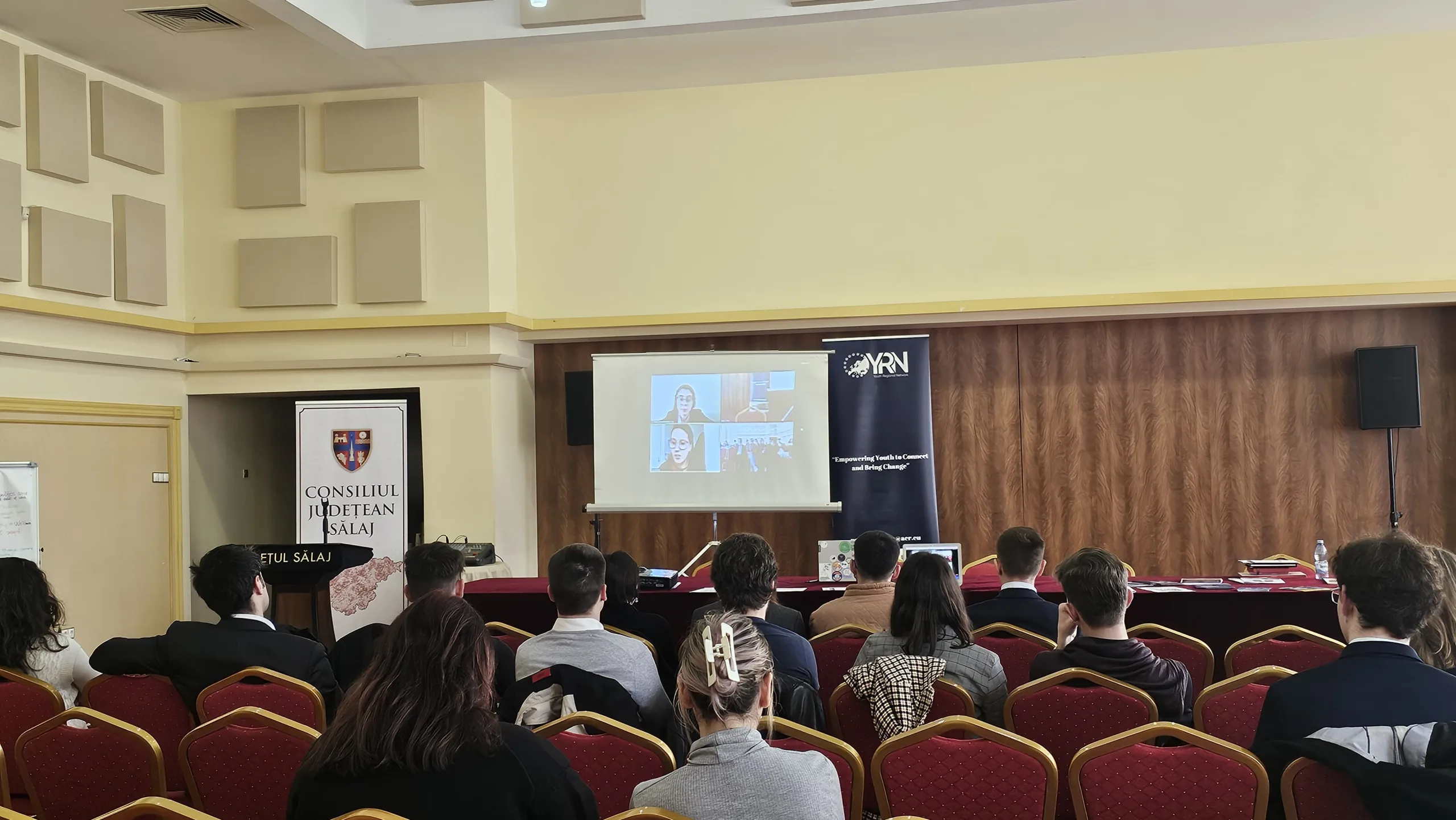
Facebooktwitterlinkedinrss

[Registrations closed] Winter Dialogues in Sankt Pölten, Lower Austria

22 September, 2023 By Barbara Polin

The AER Winter Dialogues will be the concluding statutory event of 2023. Hosted in the Lower Austrian capital of Sankt Pölten on 29 and 30 November 2023, the Winter Dialogues will be an opportunity to wrap up a year of activities and look to next steps in 2024, with particular attention to the upcoming EU elections next June.

A member-driven network, the AER is eager to make sure that the Winter Dialogues offer a full overview of its services to member regions. This is why the two-day event will include meetings of the Working Groups on Bioeconomy and Mental Health, a discussion on the AER Multi-Annual Strategy, and the Autumn Bureau meeting hosting the third MEET Intergenerational Debate on the Future of Europe. This debate will explore the role of active citizenship and youth participation in shaping a more democratic, inclusive and sustainable future for our continent, with a focus on the opportunities coming from the New Green Deal.

The MEET project (Mobile Europe = Engage Together) is funded by the Citizens, Equality, Rights and Values Programme (CERV) and led by the European Youth Forum (YFJ), in partnership with the AER. Ahead of the 2024 European elections, the MEET project aims at offering space for diverse groups of European citizens to discuss Europe at local and regional level. The MEET Regional Debates aim at creating space to make youth voices heard and to foster intergenerational debate between young people and politicians.

A meeting of the Ukraine Focus Group hosted by Vice President Lukas Mandl MEP will take place on Friday, 1 December at the premises of the European Parliament Liaison Office in Vienna. The draft agenda can be viewed HERE. 

Participants in the Winter Dialogues staying in Sankt Pölten will enjoy a preferential rate. The booking must be done by 31.10.2023. Find here all the relevant information.

Draft schedule

PUBLIC Winter Dialogues 2023. docx (4)-1


Detailed programme & info kit

Info Kit Winter Dialogues-2211

Please register before 15 November 2023!

30 November 14.15-16.30

Autumn Bureau Meeting

The AER Autumn Bureau Meeting will take place in Sankt Pölten, Lower Austria on 30 November.

The Bureau will define positions on key AER action areas that will guide our advocacy work for 2024-2025 and will be joined by institutional and youth representatives to discuss the future of Europe, and how regions can contribute to forging a more democratic, inclusive and sustainable future.

Direct links:
Draft Agenda
Working Documents 
Background Note – The Future of Europe: An Intergenerational Debate

30 November 17.15-18.45

Bureau Discussion: “The future of Europe: An Intergenerational Debate”

In the run-up to the 2024 European Parliament elections, this debate will present a great opportunity to discuss the key challenges confronting Europe today and how regions can contribute to forging a more democratic, inclusive and sustainable future.

During the event, representatives of regional governments and young people will come together and engage in meaningful conversations about the future of Europe, focusing dialogue on how Europe can adopt a more sustainable path and improve people’s well-being in urban and rural regions in line with the Green Deal ambitions.

What are the key challenges and opportunities facing Europe? What are the priorities and aspirations of young people for the future of Europe? What steps can be taken to enhance the democratic participation of citizens within the European Union? How can we effectively involve young people in EU policy-making and implementation? How can we create a greener and fairer Europe while improving prosperity and quality of life? How can we maximise the opportunities of the green transition for European cities and regions in urban and rural areas?

These are some of the questions to be explored during the debate, organised in the framework of the MEET: Mobilise Europe = Engage Together project, led by the European Youth Forum in cooperation with AER and funded by the European Union.

Speakers:

Martin Selmayr, Head of Representation of the European Commission in Austria
Johannes Sundelin, AER Vice President for Sustainability, Green Transition and Health, Norrbotten Region
Jim Jenssen, President of the Youth Regional Network
Rares Voicu, Board Member of the European Youth Forum
Mariana Borges, Regional Directorate for Youth, Region of Azores
Michael Stellwag, Young Local Councillor for Europe, Lower Austria

Further information on the debate can be found HERE.

For more information on how you can be involved as a young European citizen, please see the Open Call for Young Participants HERE.

[SOLD OUT] AER Summer Academy 2024 – Bodø, Nordland (NO) – 12-16 August 2024

22 August, 2023 By Lorène Weber

The Summer Academy 2024 explores how culture can foster youth participation, and it puts into focus the issues of availability, accessibility, and inclusivity of culture across European regions.

Hosted by Nordland fylkeskommune (Nordland County Council), the Summer Academy 2024 will take place from the 12th to the 16th of August in Bodø, the European Capital of Culture.  Driven by the key theme of ‘Fostering Youth Participation through Culture’, this edition will explore the relationship between culture, society, and economy through region-led workshops on the healing power of culture in humanitarian and social crises, its capacity to connect people from diverse backgrounds, its power to generate financial revenues from local assets and many other aspects of the generative power of culture.

As intergenerational dialogue and youth inclusion are at the heart of the Summer Academy, and the 2024 edition starts on the UN International Youth Day, the 2024 edition will feature the Award Ceremony of the MYFER Award, rewarding the Most Youth-Friendly European Region.

CLICK HERE FOR THE FULL DETAILED AGENDA


*REGISTRATION DEADLINE: 10 JULY 2024*

Participation in the Summer Academy is subject to a participation fee, included in the registration form. Read below for more details.

What’s on the agenda?

The Summer Academy will include plenary sessions, workshops, study visit and cultural activities revolving around the main topic: fostering youth participation through culture.

The opening plenary session will include regional representatives, European institutional representatives and youth delegates (young elected politicians, youth county councils…) who will share their expertise and views, and engage in meaningful discussions.

The workshops are organised by members of the Organising Committee for the 2024 edition of the Summer Academy, namely:

  • AER: workshop on Mental Health Prevention and Planning, with the AER Working Group on Mental Health and the Youth Regional Network (YRN).
  • Catalonia: workshop by the Catalan Youth Agency and Sala d’Art Jove, “Inventing recipes to be (together)”.
  • Donegal County Council: workshop on “Intercultural integration and the EU-Belong project”.
  • Maramures County Council: workshop on Art Therapy.
  • Nordland County Council: workshop on “The Narvik War and Peace Centre”.
  • Údarás na Gaeltachta: workshop by Muintearas, “Cuisle na Gaeltachta / the Pulse of the Gaeltacht: an overview and insight into youth participation through Culture in the Gaeltacht”.
  • Østfold County Council: workshop on “The Blikkåpner project and Gallery F15“.
  • Autonomous Province of Vojvodina: workshop on ““Student participation in politics and decision-making processes”.
  • Kanton Zürich: “Democratic Culture in the Canton of Zurich”, with the Zürich Youth Parliament.
  • Local workshop: “Sámi Pathfinders and Sámi University College”, with representatives from the Sámi people in Bodø.

The study visits and cultural activities are organised by the host region, as a unique occasion to showcase their region’s richness, models and diversity, while valuing the cultural backgrounds of the other regions represented at the event, in a closing cultural evening!

The closing plenary is led by the youth delegates themselves, as a privileged feedback and interaction moment.

How to join the Summer Academy 2024?

To take part in the Summer Academy, participants are requested to purchase a ticket on Nordland fylkeskommune’s dedicated online platform (as you would purchase a concert or festival ticket).

The price of the ticket includes:

  • access to all activities of the Summer Academy (plenaries, workshops, cultural activities,s tudy visits);
  • accommodation at the Radisson Blu Hotel Bodø (booked directly by Nordland County Council for the participants) for 4 nights (arrival 12 August, departure 16 August);
  • all meals from Monday dinner to Friday breakfast;
  • airport transfers from Bodø airport, and transfers from the conference venue to the other activities.

The online platform to purchase the tickets is open! Three types of tickets are available:

  • Regular ticket: 600 EUR. Single room.
  • Discounted youth ticket: 300 EUR. Twin room (i.e. shared room between two young participants – same-sex only).
  • Local ticket (for participants living in Bodø only, and who don’t need a hotel): 100 EUR.

CLICK HERE TO REGISTER AND PURCHASE YOUR SUMMER ACADEMY TICKET

*REGISTRATION DEADLINE: 10 JULY 2024*

The Summer Academy: a high-level event recognised by European institutions

As part of the Climbing the Ladder Erasmus+ project, the Summer Academy enables participants to share their opinions on how and why culture matters, and what should change – or not – to make culture a driver for engagement in public life.  The project’s main objective is to address the need for effective and meaningful structures, mechanisms and spaces for the active engagement of young people in policy-making and decision-making processes at local, regional, national and European levels.

The Summer Academy will be showcased as one of the three study visits of the CL-YE project, where relevant data about models and spaces for youth engagement will be collected. Both the AER and Nordland fylkeskommune are part of the project consortium led by DYPALL Network, a European platform gathering civil society organisations and local authorities from more than 30 countries, whose mission is to involve young people in decision-making processes, engage them as active citizens, and enable municipal and regional authorities to address the needs and interests of youth.

Did you know that the Summer Academy 2022 was awarded the European Citizen’s Prize for Ireland? Awarded every year by the European Parliament, this Prize goes to projects “organised by people or organisations that encourage mutual understanding and closer integration between people in the EU, cross-border cooperation that builds a stronger European spirit, and EU values and fundamental rights.”

In addition, the Congress of Local and Regional Authorities of the Council of Europe, a long-standing partner of the AER of the Youth Regional Network (YRN), had supported the 2022 edition of the Summer Academy, through the participation of their Secretary General and of their youth delegate for Switzerland.


Contact persons at the AER Secretariat: Lorène Weber ([email protected]), Programmes Coordinator; Barbara Polin ([email protected]), Communications & Events Coordinator; Justin Sammon ([email protected]), Member Relations Coordinator.


Wrap-up: Highlights from AER 2023 Summer Symposium | General Assembly, Bureau Meeting and YOUTHopia Transnational Event

13 July, 2023 By Barbara Polin

150 participants from more than 50 regions in wider Europe attended the AER Summer Symposium 2023 in Barcelona, gathering for a three-day event of debates, networking and exchanges of best practices. The Summer Symposium culminated in the election of Albert Castellanos, Secretary for Enterprise and Competitivity of the Generalitat of Catalonia as new AER President.

All presentations are available on the AER event page.

AER General Assembly 2023: A new President standing for European regions

From L to R: AER new Presider Albert Castellanos, AER (now) Honorary President Magnus Berntsson, AER Secretary General Christian Spahr

The 2023 AER General Assembly elected Albert Castellanos, Secretary for Enterprise and Competitivity of the Generalitat of Catalonia, as new AER President, who thanked members for the trust and ensured his commitment to connect regions and inspire Europe. The General Assembly also ratified the nomination of new board members and Vice-Presidents, taking stock of their new energies and plans for the future. The updated list is available here.

Highlights from the award-winning AER Programmes (Eurodyssey, Summer Academy, Youth Regional Network)

From L to R: Esther Estany, Eurodyssey President; Jim Simonssen Jenssen, YRN; Kari Anne Bøkestad Andreassen, Summer Academy

Eurodyssey President Esther Estany (Catalonia, ES) chaired the Eurodyssey Steering Committee meeting which started the preparations for the upcoming Eurodyssey Forum in Azores (PT), which will take place in mid-November 2023. While cheering for the news that Summer Academy 2022 won one of the European Citizen’s Prize for Ireland, Summer Academy President Kari Anne Bøkestad Andreassen (Nordland, NO) shared updates on the ongoing work for the next edition of the Summer Academy 2024, which will take place in Bodø, Nordland, in mid-August 2024.

YRN President Jim Simonssen Jensen (Nordland, NO) and Chair of the Thematic Committee on Youth Participation & Governance Sigrun Myrvang (Innlandet, NO),members f the newly revived Youth Regional Network’s Presidium participated in the activities, and identified avenues of YRN participation in the AER’s working groups and task forces. All Programmes Presidents took the floor at the General Assembly to share their respective programmes’ updates, while encouraging AER members to join Eurodyssey, the YRN and the Summer Academy.

If you are interested in joining any of the 3 programmes, feel free to contact the AER Programmes Coordinator Lorène Weber.

Study visit to the Port of Barcelona: Knowledge Transfer and Capacity Building go by the sea

The Working Group on Green Hydrogen, chaired by Albert Castellanos (Catalonia) organised a study visit to the Port of Barcelona to learn more about the role of the Port in the decarbonisation of the industry. Indeed with soaring demand for renewable energies to reach the Paris Agreement, the import of green hydrogen is becoming a major goal for regions to sustain the energy transition in energy-intensive sectors. In this context, Ports have a role both in the decarbonisation of their own activity and in the provision of green energy to the rest of the region.

Albert Castellanos, Chair of the AER Working Group on Green Hydrogen and Secretary for Enterprise and Competitivity of the Generalitat of Catalonia, Lluís Salvadó, President of the Port, Hèctor Calls, Head of Environmental Sustainability of the Port and Isaac Justicia Antó, Director of the Technical Office of the Hydrogen Valley of Catalonia presented the region’s strategy, the diversity of projects both locally and with international partners, the Port’s strategy to decarbonise activities, as well as the development of the Hydrogen Valley of Catalonia, which aims to be a comprehensive ecosystem of production, distribution and consumption of renewable hydrogen.

The Port of Barcelona invited AER members for a boat tour in the port to learn more about the stakes, in terms of logistics, energy needs, space planning, freight and cruise industries, air pollution, security…

Members of the AER Working Group on Green Hydrogen gathered afterward to learn more about the development of the Green Hydrogen value chain in Catalonia with a presentation by Albert Ballbé, who leads strategic projects at the Catalan General Directorate of Industry. The role of ports in decarbonising both maritime-port activities and the industry was further explored via a presentation by Ingrid Boqué Sastre, Global Strategic Networks Officer of the Hamburg Port Authority. Finally, members discussed possible areas for collaboration, and the possibility to develop an EU-funded project. Indeed AER working groups also function as an incubator for the development of EU-funded projects when this is of interest to members.
All information concerning the Working Group on Green Hydrogen is available here. All members of the Working Group can propose activities, as for instance study visits in their own region. It is possible to join anytime, by filling in this form.

Updates on the other AER Working groups

The AER Executive Board adopted the proposal by Värmland (SE) to create a new Working Group on Mental Health. This proposal was backed by Alba (RO), Arad (RO), Kharkiv (UA), Norrbotten (SE), Vojvodina (RS), Odessa (UA). The working group will collaborate closely with the AER Youth Regional Network, the kick-off meeting in Autumn 2023 will be an opportunity to set priorities, define activities, decide how to collaborate with the YRN and appoint a Chair. The working group is open to all AER members and it is possible to join anytime. If you’re interested to learn more, please contact AER Policy and Knowledge Transfer Coordinator Johanna Pacevicius

Aud Hove, Chair of the AER Working Group on the Bioeconomy, Innlandet (NO) contributed to the Bureau Debate on the Future of Work (see below). Indeed the future of work is deeply connected to climate challenges, the ways in which resources are being used, urban-rural relations and the development of skills ecosystems, which are all central topics in the AER Working Group on the Bioeconomy.

The General Assembly was an opportunity to share updates and inform about an opportunity for support to the development of EU-projects on the Bioeconomy. All information concerning the Working Group on the Bioeconomy is available here. All members of the Working Group can propose activities. It is possible to join anytime, by filling in this form

Working groups are a space for focused collaboration between AER regions. It is possible to set up a working group on any topic that is relevant to regional policymaking and in line with the AER values. This guide offers step-by-step guidance on how to get started.

Both the Executive Board and the General Assembly insisted on the central role of working groups for knowledge transfer and collaboration in the AER community.

You are interested in exchanging with other regions but are not sure how and what? Contact AER Policy and Knowledge Transfer Coordinator Johanna Pacevicius.

AER stands with Ukraine in spirit and in practice: the Focus Group on Ukraine

The Ukraine Focus Group and the AER Member Relations Coordinator Justin Sammon had the honour of welcoming several delegations from Ukraine in-person for the first time.

Our hosts, the Government of Catalonia, shared the work being undertaken in the region itself to support Ukrainians. Equally important were presentations on enterprise partnership opportunities for Ukrainian regions, and insights on the work of the Foreign Ministry to support Ukrainian regions during the reconstruction.

From the EU perspective, Focus Group members were introduced to the political support of the European External Action Service (EEAS), and gleaned insights on EU funding opportunities for Ukrainian members within the INTERREG programme.

Finally, the General Assembly formally ratified the membership requests of four Ukrainian regions: Rivne, Transcarpathia, Dnipropetrovsk and Ternopil.

If you are interested in joining the Focus Group on Ukraine, feel free to contact the AER Member Relations Coordinator Justin Sammon.

High-Level Debate on Sustainable Tourism: mainstreaming sustainability across tourism ecosystems

From L to R: Marta Domènech, Christian Spahr, Peter de Wilde

The Summer Symposium hosted two debates, a stand-alone one on Sustainable Tourism and one on the Future of Work in the context of the Bureau meeting. Moderated by AER Secretary General Christian Spahr, the high-level debate on Sustainable Tourism hosted Marta Domènech, Director General of the Catalonia Department of Tourism who talked about sustainable tourism within Catalonia’s strategy, and Peter de Wilde, President of NECStouR, who offered an overview of the importance of platforms for partnership and collaboration and the positive power of tourism.

Their regional perspective was complemented by the contribution of Marie-Helene Pradines,Head of Unit for Tourism & Textiles at DG GROW, European Commission, and Elio di Rupo, Minister-President of Wallonia (BE), who highlighted the role of inter-institutional, multi-level collaboration in implementing sustainable tourism practices.

Summer Bureau Meeting & Debate: Which work for which future?

L to R: Vania Freitas, AER Advocacy and Institutional Relations Coordinator; Justin Sammon, AER Member Relations Coordinator, AER Vice President Lilijana Madjar; Núria Vergés Bosch, Catalonia

The second, captivating debate was “Next Generation Skills: Regions shaping the Future of Work” organised by the Task Force on the Future of Work, chaired by Vice President Lilijana Madjar, within the framework of the European Year of Skills. Speakers including Patrick Daru from the International Labour Organization, Kristine Langenbucher representing the Organisation for Economic Co-operation and Development, Andrea Glorioso from the European Commission, and Núria Vergés Bosch from the Government of Catalonia, shared valuable insights on how European regions can overcome challenges and prepare for a brighter future of work.

The discussion addressed crucial questions surrounding the future work landscape, such as the importance of enhancing workers’ skills to succeed in a green and digital economy and the relationship between flexible working and the revitalisation of rural regions, as well as its potential for fostering greater equality and diversity in the workforce.

Following the debate, the Bureau members turned their attention to the adoption of the AER Position on Tourism of Tomorrow. Acknowledging the crucial role regions play in the economic recovery and resilience of tourism, the AER position emphasises the need to further support regions to ensure that their tourism sector becomes more sustainable and takes advantage of digital advancements. Additionally, AER members underlined the importance of upholding the culture and cultural heritage’s fundamental role in sustainable tourism development, and of reinforcing the attractiveness, retention and development of tourism workforce. The paper further emphasises the need to strengthen multi-level governance in defining, developing, and implementing policies and strategies outlined in the EU Agenda for Tourism 2030.

Moreover, the Bureau members made the decision to establish a Task Force on Cohesion Policy. This proposed Task Force will assume a crucial role in advocating for a reformed cohesion policy, while also ensuring that regional authorities actively participate in shaping its design and implementation.

The reality of the EU project YOUTHopia

The YOUTHopia project showed its reality through a hands-on workshop on Cohesion Policy, that dug into some examples from the regions that participate in the AER-led communication campaign YOUTHopia, with a particular focus on skills development, youth employment and empowerment, explores new opportunities for regions under Cohesion Policy, and sets the basis with new interested regions for a YOUTHopia 2.0 in 2024. Under the moderation of AER Project and Policy Manager Anna Comacchio, the following panelists had the opportunity to exchange views:

  • Nataša Rosek, Secretary of the Development Council of Cohesion Region Zahodna Slovenija 
  • Alfred Blasi, President of OpenEurope 
  • Patricia Perez Gomez, Team leader at DG EMPL, European Commission: ESF+
  • Matteo Miglietta, Press officer and relations with media, European Committee of the Regions: #CohesionAlliance
  • Agnese Pantaloni, AER Project Coordinator

In the evening, YOUTHopia hosted a photography exhibition on the rooftop of Barcelona. Check the virtual exhibition and dive in YOUTHopia.

The single points of contact for the AER Summer Symposium were Barbara Polin, AER Communications and Events Manager, and Laura Bassan, AER Communications and Events Assistant.

Check the official pictures of the Summer Symposium

Follow AER!
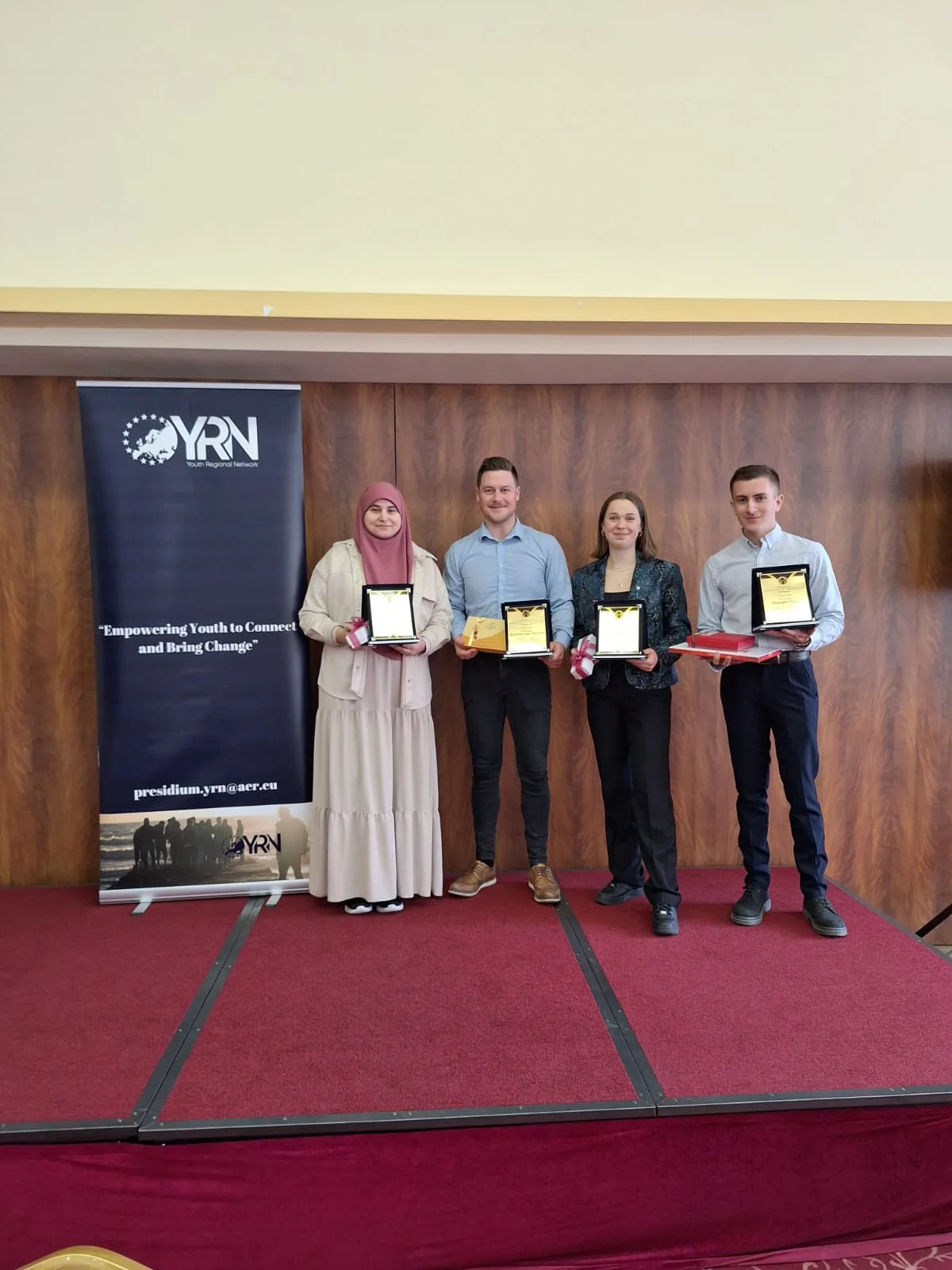
Facebooktwitterlinkedinrss

YRN Presidium member Sigrun Myrvang participated in JEF Europe’s REVIVE training in Lublin, Poland

7 June, 2023 By Lorène Weber

Participants in JEF Europe’s REVIVE training in Lublin, Poland, 26 May – 1 June 2023.

Sigrun Myrvang, Chair of the Thematic Committee on Youth Participation and Governance of AER’s Youth Regional Network, shares her experience participating in a capacity-building training in the framework of JEF Europe’s REVIVE project. JEF Europe has been a project partner of the AER for several years, and the training took place in Lublin, Poland, this year’s European Youth Capital.

Creative, rich and intensive days in Lublin as a participant in JEF Europe’s REVIVE project – Revitalizing Voices of Youth in Europe! A week with workshops revolving youth civic spaces, youth participation,
activism and mental health, exploration of Lublin, being the “European Youth Capital 2023“,
sightseeing and cultural experiences.


The REVIVE programme, after providing us as participants with the knowledge and skills required, ends
with each of us initiating a project in our local or regional contexts. I have decided to plan and
facilitate workshops for European youth with the aim of contributing to the visibility of youth
opportunities at local, regional, national and European level as well as improving the capacity of
youths to seek out and make use of such opportunities.


The trip has been an absolutely fantastic experience in absolutely every aspect – new acquaintances,
fruitful exchange of practices with wonderful and talented people from all over Europe, I have gained
a new perspective on what youth participation can entail and how it can be a more creative process, and I have been inspired and developed lots of ideas for projects.
The REVIVE programme was a very
educational, yet creative and inspiring experience that will certainly benefit our future work in the
Youth Regional Network (YRN)!

Sigrun Myrvang, Chair of the Thematic Committee on Youth Participation and Governance

Follow AER!
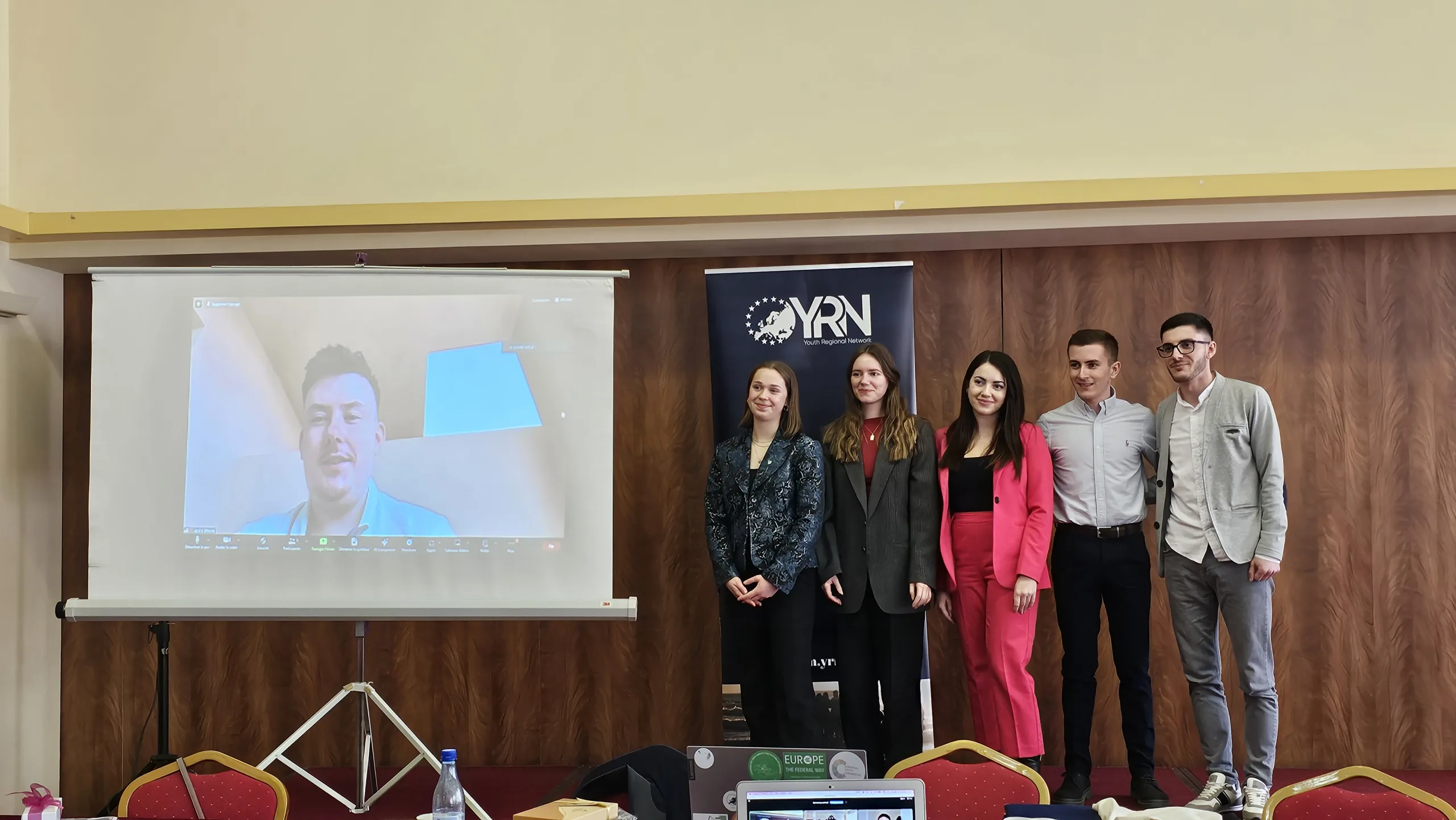
Facebooktwitterlinkedinrss

Open meeting of AER’s Youth Regional Network (YRN)

25 May, 2023 By Lorène Weber

AER’s Youth Regional Network is back! Since the YRN General Assembly last March, the YRN Presidium has been working hard on setting up a working plan and thematic committees, and on contributing to AER’s work, to foster youth participation and make youth voices heard in policy-making.

Now, they want to involve YOU! Whether you are already a member of the YRN, or a young person interested in joining and contributing, the YRN Presidium is inviting you to an open meeting, online, on the 3rd and 4th of June.   If you want to join this meeting, please email the YRN Presidium at [email protected].

If not done already, also fill in the YRN Expression of Interest form: if you are eligible, you will be able to join the YRN as a member and will receive all communications related to the YRN activities, including the link to join the online meeting.  

Check out the programme of the online meeting of 3-4 June below: Agenda_YRN_Presidium_Meeting (3-4 June)


What is the YRN?

Created by the Assembly of European Regions in 2008, the Youth Regional Network (YRN) is a cross-regional youth platform, promoting active youth participation at regional level. Composed of regional-level youth councils, parliaments and organisations in AER’s network and membership, it provides young people with an opportunity to express policy recommendations, to foster debate and capacity-building, to exchange good practices, to reach out to decision-makers and to influence policies. The YRN is a unique forum for young people from diverse regions to raise their voice collectively, while introducing a European dimension to youth policy in those regions.  


Who is the YRN Presidium?

  • President: Jim Simonsen Jenssen (Nordland, NO)
  • 1st Vice-President: Anette Amalie Bang (Nordland, NO)
  • 2nd Vice-President: Norbert Nagy (Salaj, RO)
  • Chair of the TC on Youth Participation & Governance: Sigrun Myrvang (Innlandet, NO)
  • Chair of the TC on Mental Health & Wellbeing: Daria Sustrietova (Kirovohrad, UA)
  • Chair of the TC on Gender Equality & Women Empowerment: Maylinda Bajrami (Tirana, AL)

You can contact them at [email protected]!

  • « Previous Page
  • 1
  • 2
  • 3
  • 4
  • 5
  • 6
  • …
  • 15
  • Next Page »
  • Facebook
  • Instagram
  • LinkedIn
  • Twitter
  • YouTube

AER Projects

  • Ongoing projects
    • EU-BELONG: An Intercultural Approach to Migrant Integration in Europe’s Regions
    • MEET: Mobilise Europe = Engage Together
    • CL-YE | Climbing the Ladder: Fostering a Culture of Youth Engagement
  • Partner search

Library

Statutory Documents
AER Strategies
Minutes
Media Kit
Activity Reports
Newsletters
European Regions Map

Join AER!
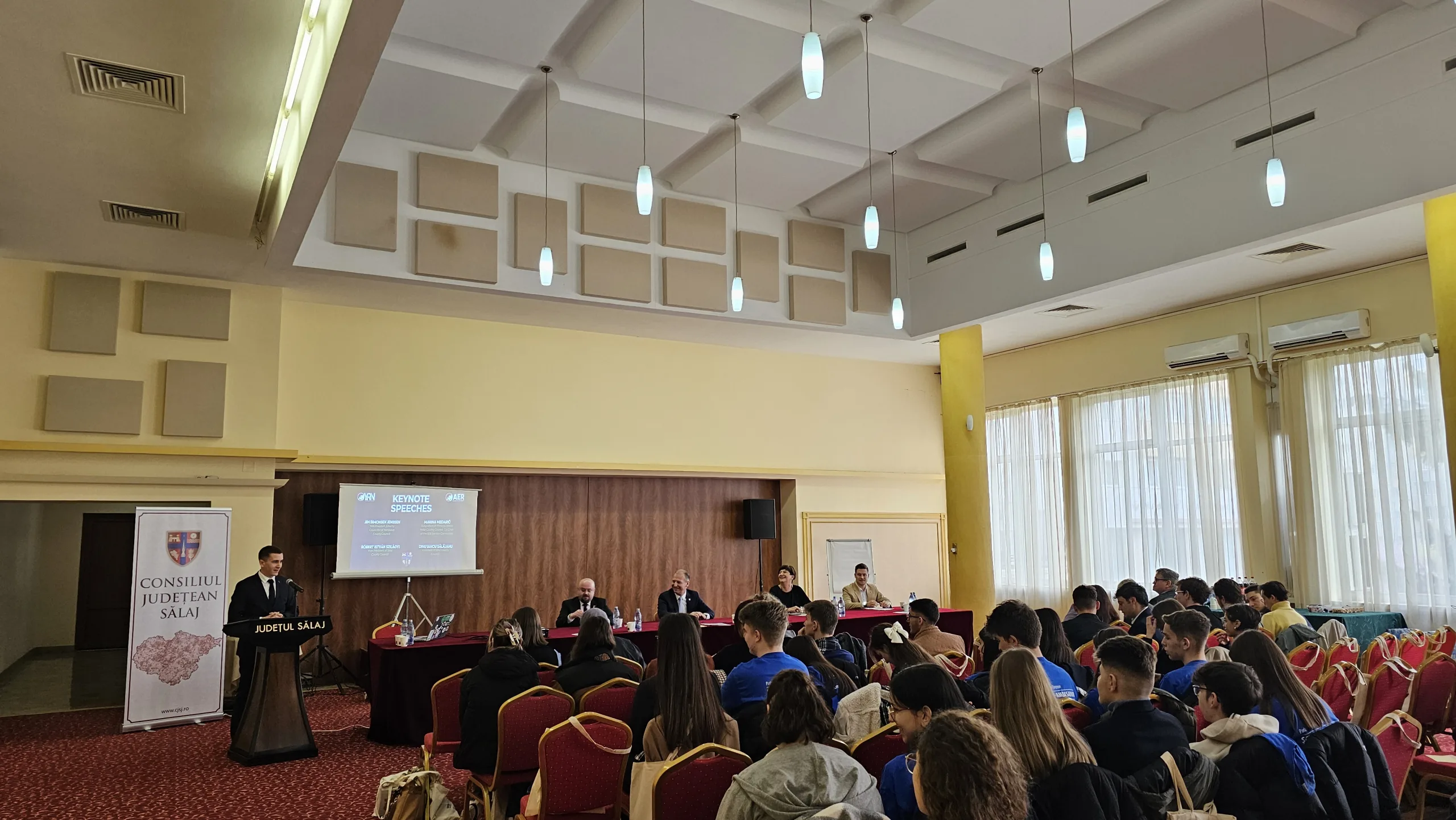
Become a Member

Job Opportunities

Sign up for our Newsletter

Website map

Brussels · Strasbourg · Alba Iulia

A Network, a Partner and a Voice of European regions, since 1985 · Copyright © 2025 · Assembly of European Regions · [email protected] · Log in