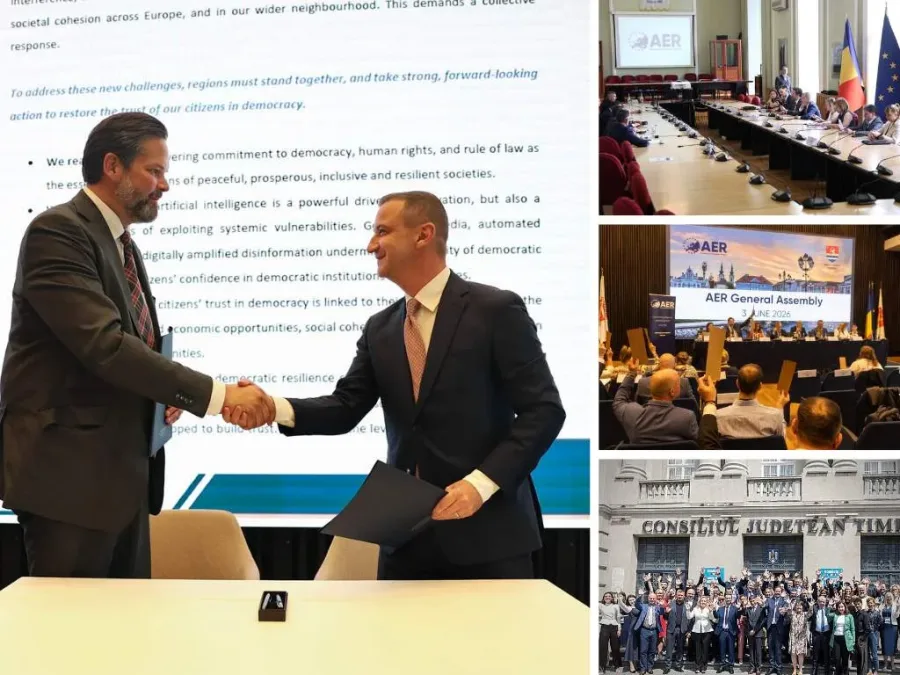


On 2-4 June 2026, the Assembly of European Regions (AER) and Timiș County Council convened the Regions Forum featuring the 2026 General Assembly, the Spring Bureau meeting, and the High-Level Conference ‘Defending Democratic Resilience in the Age of Disinformation’.
About the 2026 General Assembly
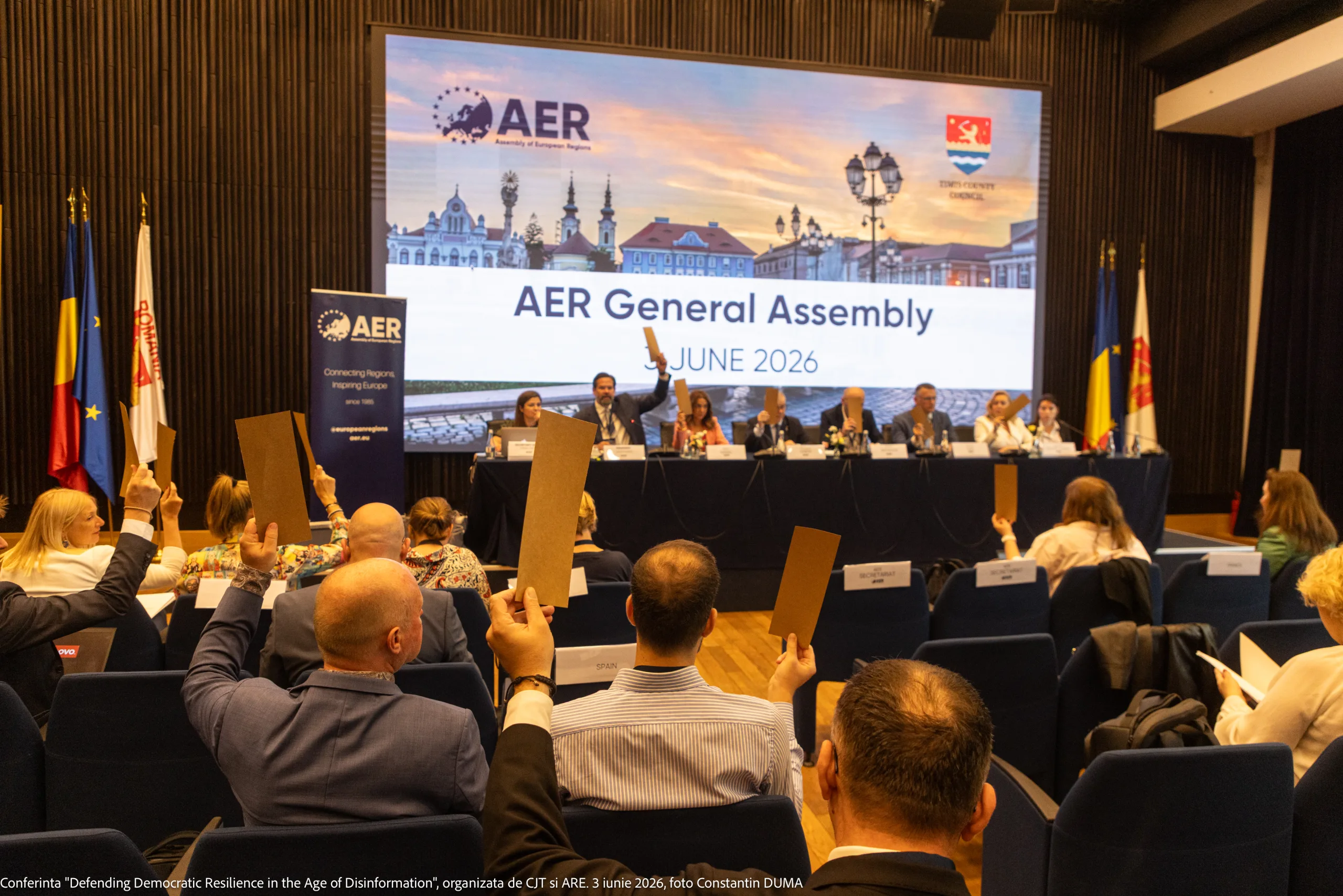
The General Assembly on 3 June 2026 marked a turning point in the AER’s work with and for regions by voting to amend the Statutes. The amendments introduced Committees as key thematic bodies for advocacy, knowledge exchange, and project activities (Article 2.1), leveraging the invaluable expertise gained by the AER over its 40 years of work.
The 2026 General Assembly also marked the election of Aleksandra Maletić, Vice-President of the Assembly of the Autonomous Province of Vojvodina (Serbia), as new AER Vice President.
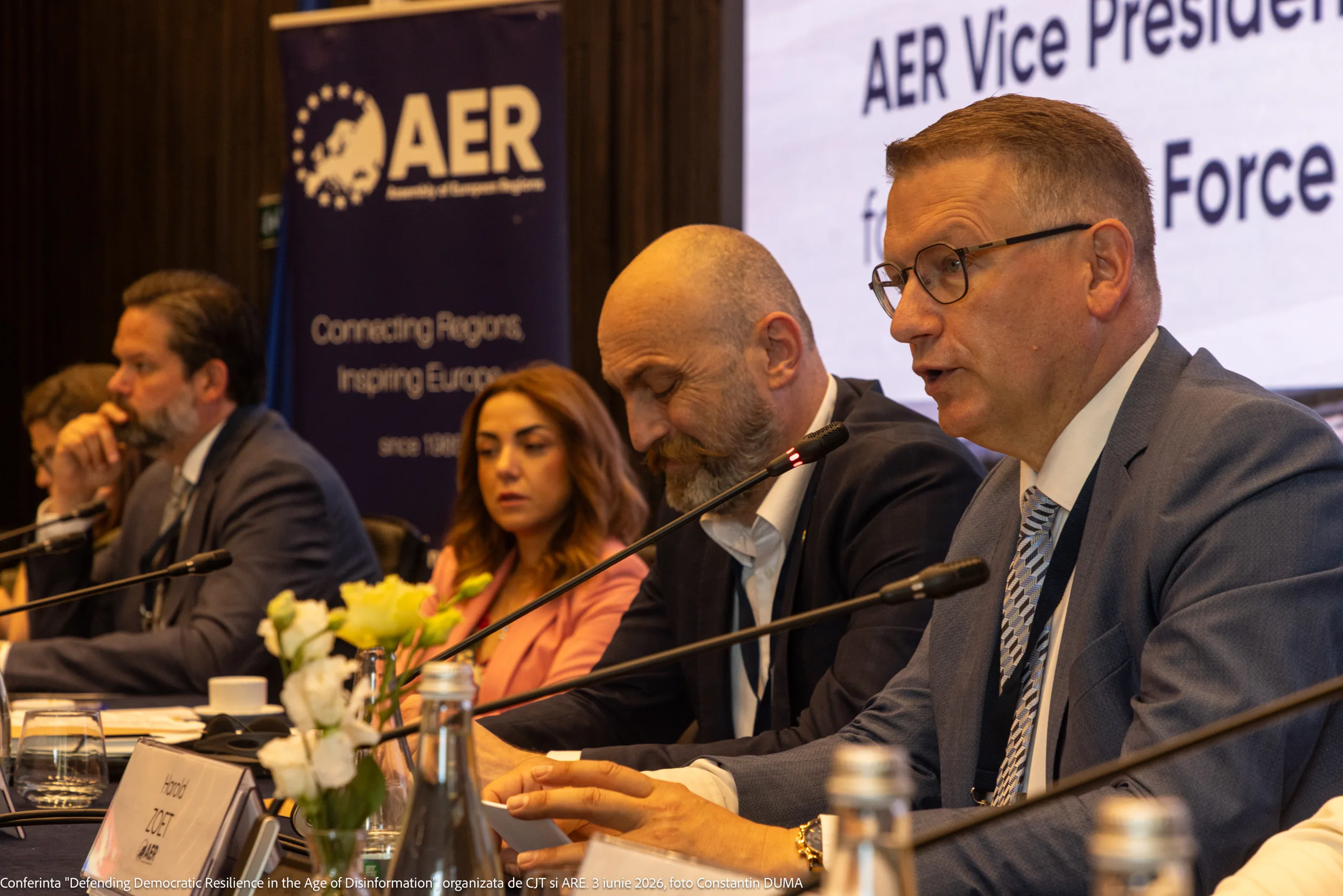
The reports from the Executive Board and the Bureau were insightful testimonials to the Assembly of European Regions’ pluriannual expertise. Representing the Bureau, Harold Zoet, AER Vice President for Agriculture and Rural Development (Gelderland, the Netherlands), gave an overview of the work of the relevant Task Force, which included the recent Study Visit to Canton Fribourg focusing on the local gastronomic heritage.
Daniel Schützer (Värmland, Sweden), Co-Chair of the Task Force on Access to Services, highlighted AER initiatives fostering awareness of the accessibility of public services as a condition for social, economic and territorial cohesion. David Moya (Catalonia, Spain), Chair of the Intercultural Regions Network (IRN), highlighted the network’s international innovativeness, which kicked off activities in Autumn 2025.
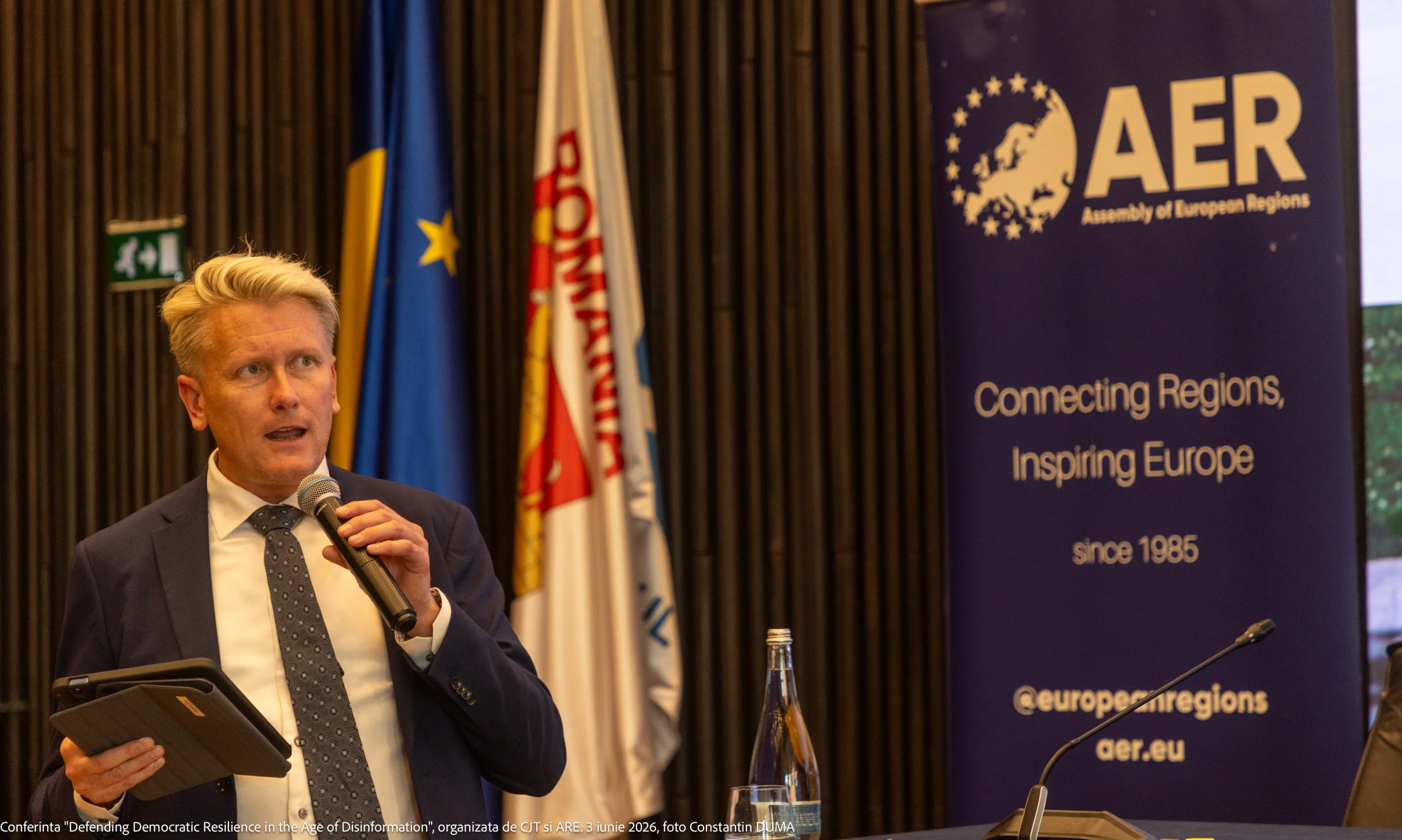
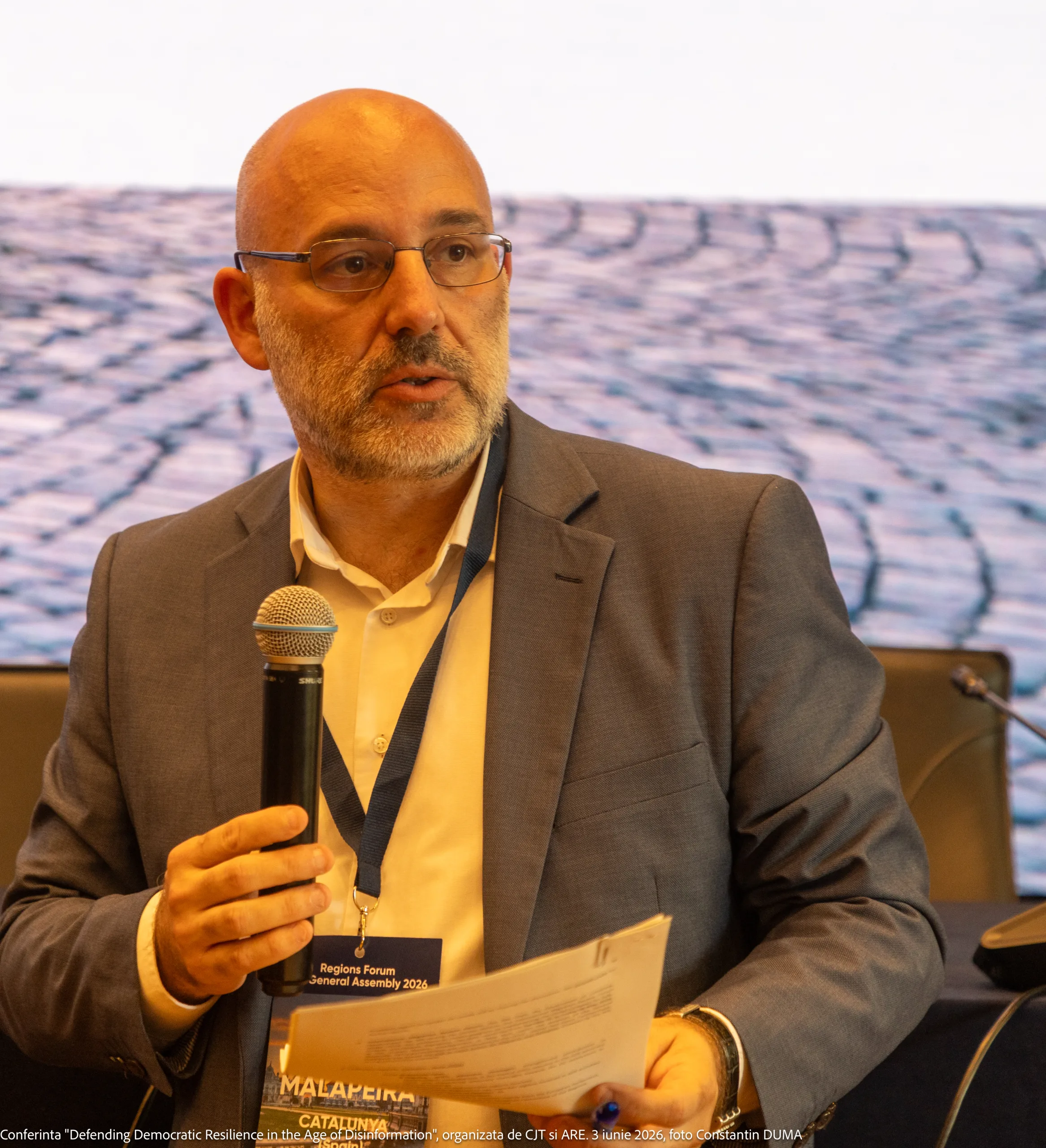
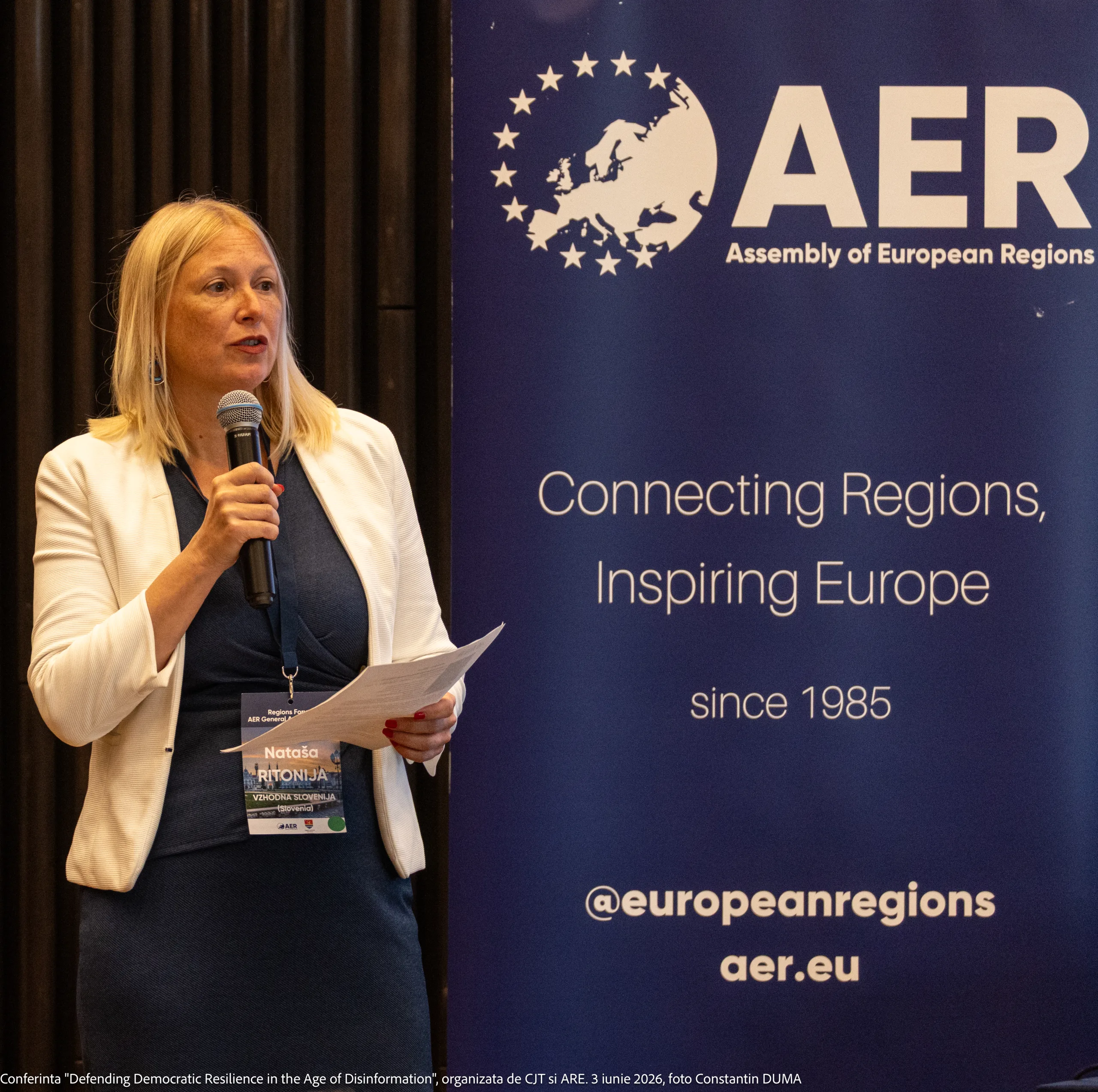
The Working Group’s reports highlighted the value of peer learning in building the AER’s international political infrastructure. Nataša Ritonija, Chair of the Working Group on Bioeconomy (East Slovenia), shared milestones and objectives relevant to their commitment to contribute to the EU transition from economy to bioeconomy. Daniel Schützer, wearing the hat as Chair of the Working Group on Mental Health, remarked on the value of fostering mental well-being across generations and borders, paying particular attention to the exceptional work by healthcare professionals in Ukraine.
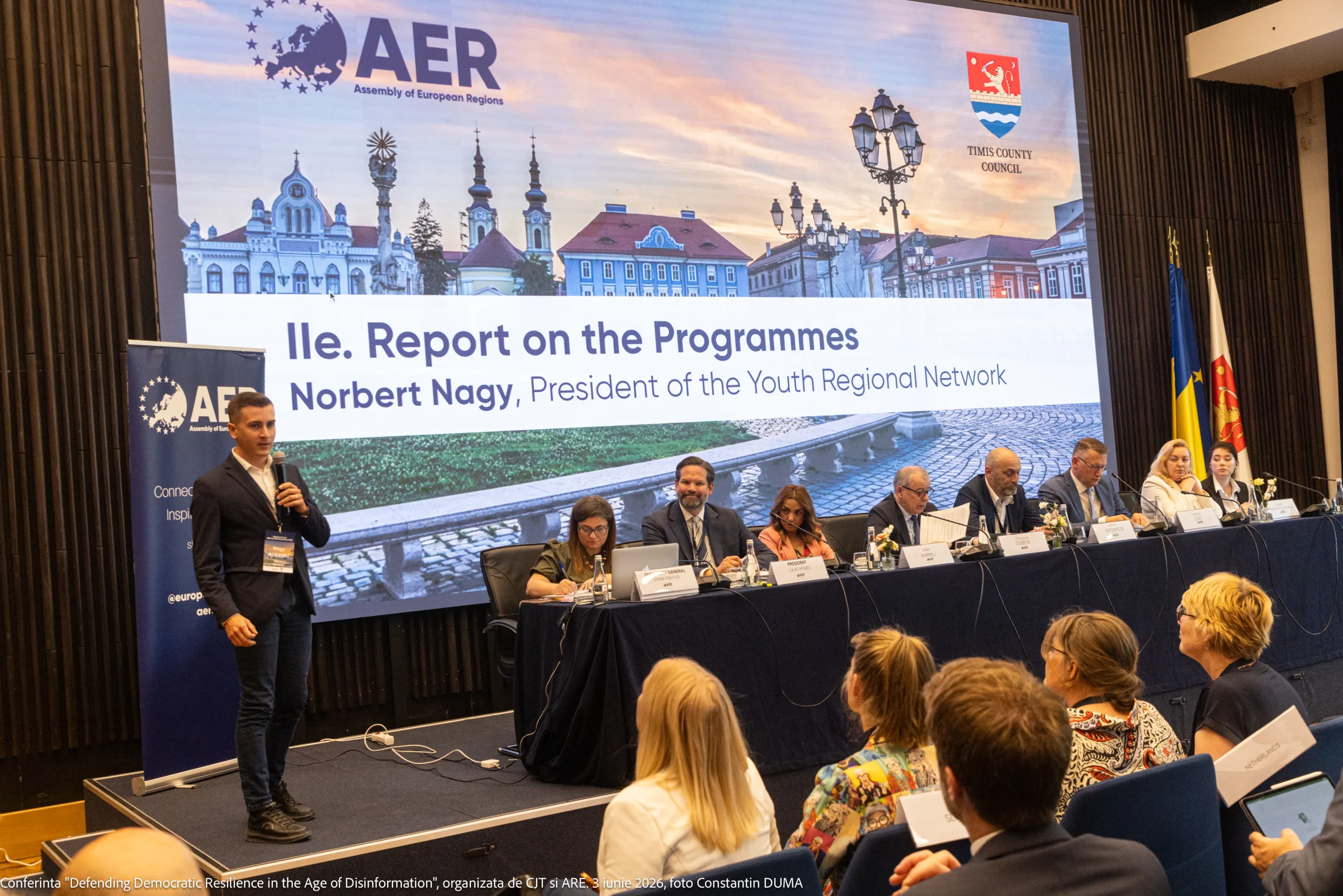
The commitment to intergenerational wellbeing and solidarity was central to the presentations by the representatives of the AER Programmes.
Norbert Nagy, outgoing President of the AER Youth Regional Network, highlighted the importance of empowering youth representatives and young leaders in shaping the European project across borders. Arrived at the end of his successful two-year mandate, he thanked YRN members for their indefatigable commitment to bringing youth empowerment to the top of the political agenda.
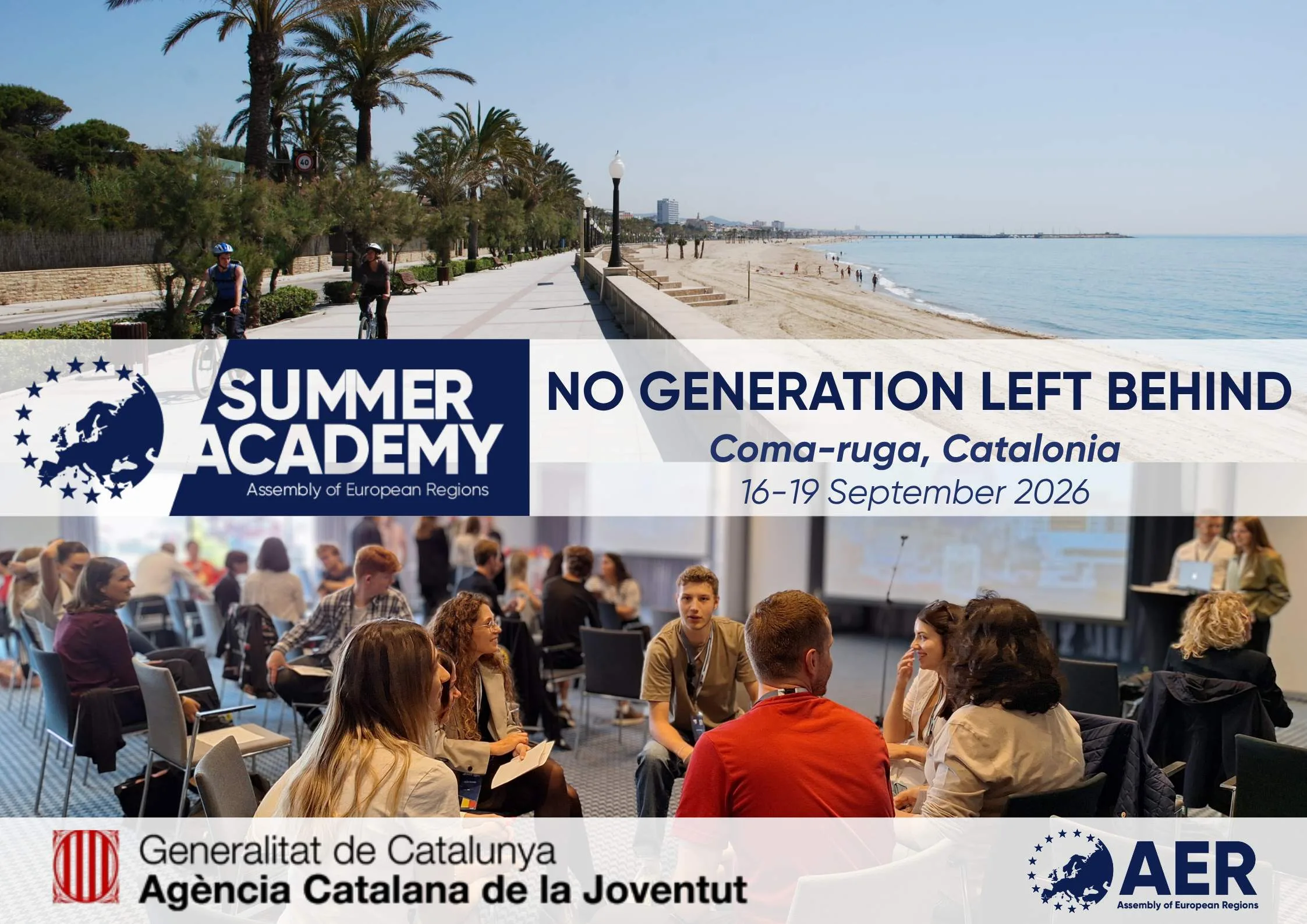
Daniel Ruiz Trinidad (Valencia, Spain), Eurodyssey President, recalled the historical role of the AER traineeship programme in educating the next generation of European professionals. On behalf of the Summer Academy Organising Committee, the AER advertised the upcoming Summer Academy, to be held in Coma-ruga (Catalonia) from 16 to 19 September 2026.
In terms of European projects, since June 2025, the AER has successfully leveraged its expertise by implementing 4 projects, including Climbing the Ladder and ETI-Labs , and by applying for many others from different funding programmes, as illustrated by AER European Projects Coordinator, Mirjam de Jong.
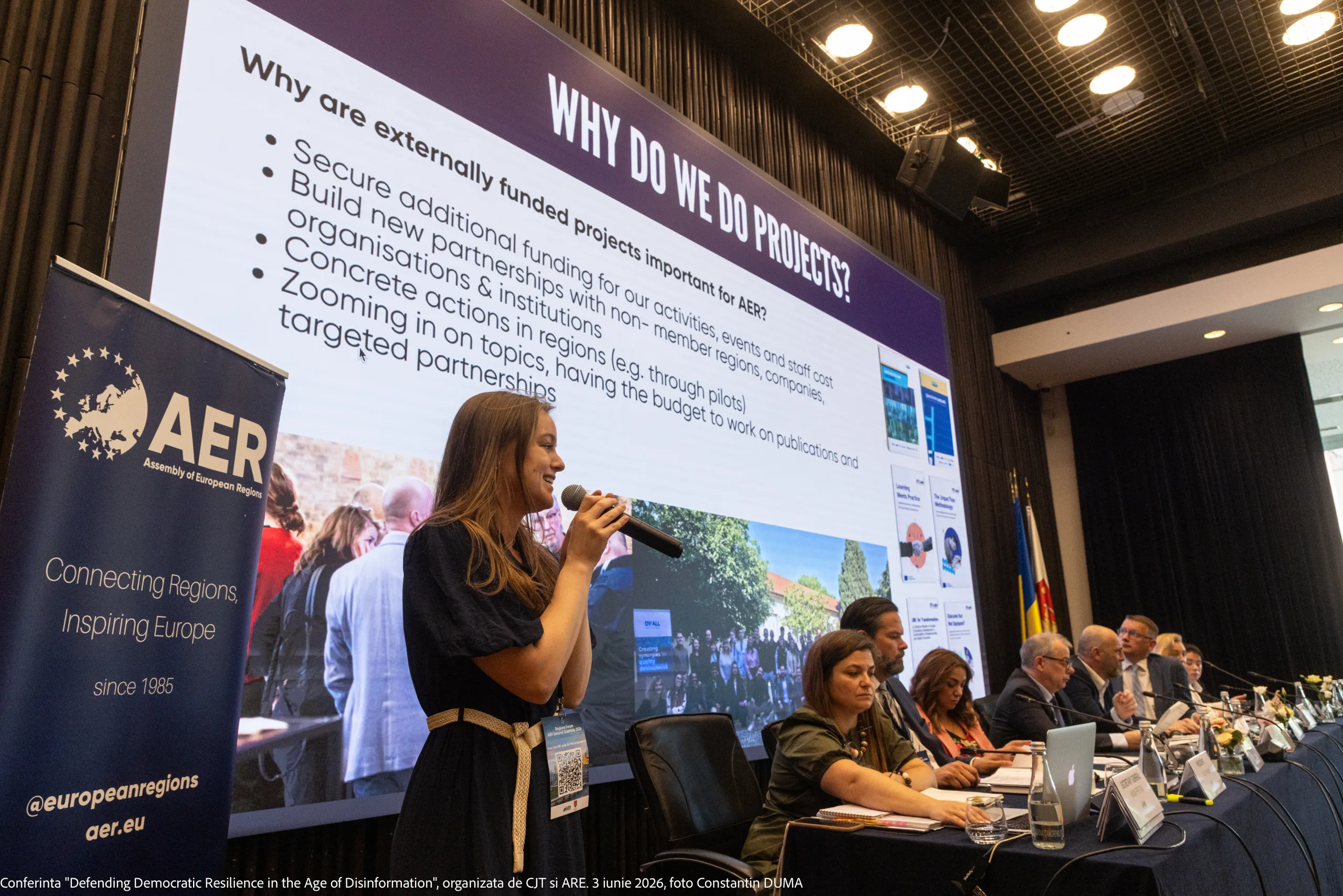
About the Spring Bureau meeting
Chaired by AER President Lukas Mandl, the Spring Bureau meeting on 3 June provided a pan-European political overview of the network’s political action. Guided by the insights of Vice President Zoet, Bureau member Schützer, and IRN Chair Moya, the Bureau representatives highlighted the value of AER initiatives across diverse fields, including rural development, access to services, and intercultural integration.
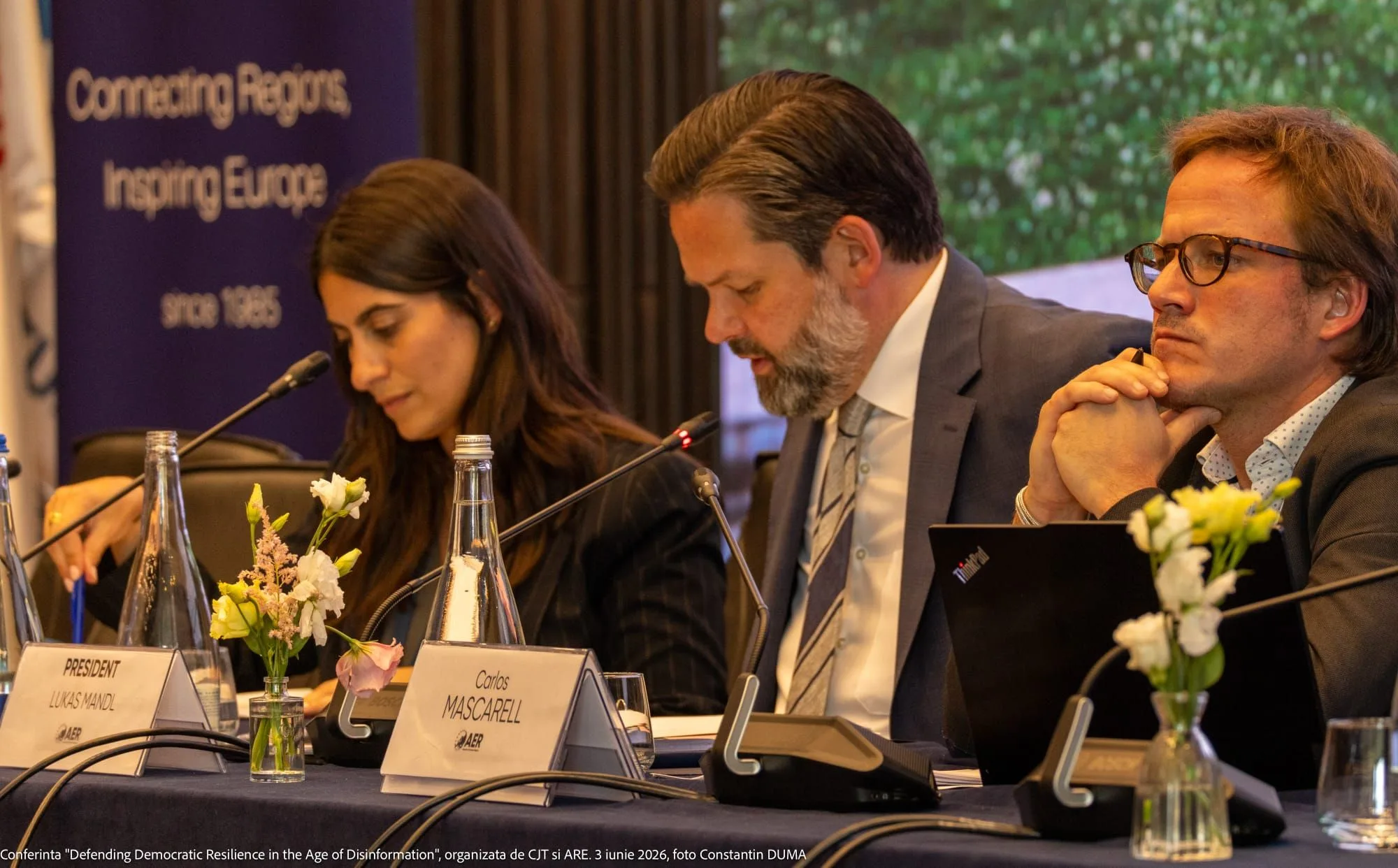
These discussions paved the way for the Bureau debate, focused on the role of regions shaping the global agenda. Carlos Mascarell, Head of Regional Affairs at the Global Cities and Regions Organisation (UCLG), presented the key recent developments on multi-level governance at the international level. These include the work of the UCLG Global Task Force of Local and Regional Governments, the institutional mechanism that coordinates subnational voices at the global level. With AER as a member of the Task Force, AER members could join delegations attending international meetings such as the High-Level Political Forum (HLPF) and climate negotiations at the COP.
About the Intercultural Regional Network Plenary Session and the Capacity Building by the EU Urban Partnership
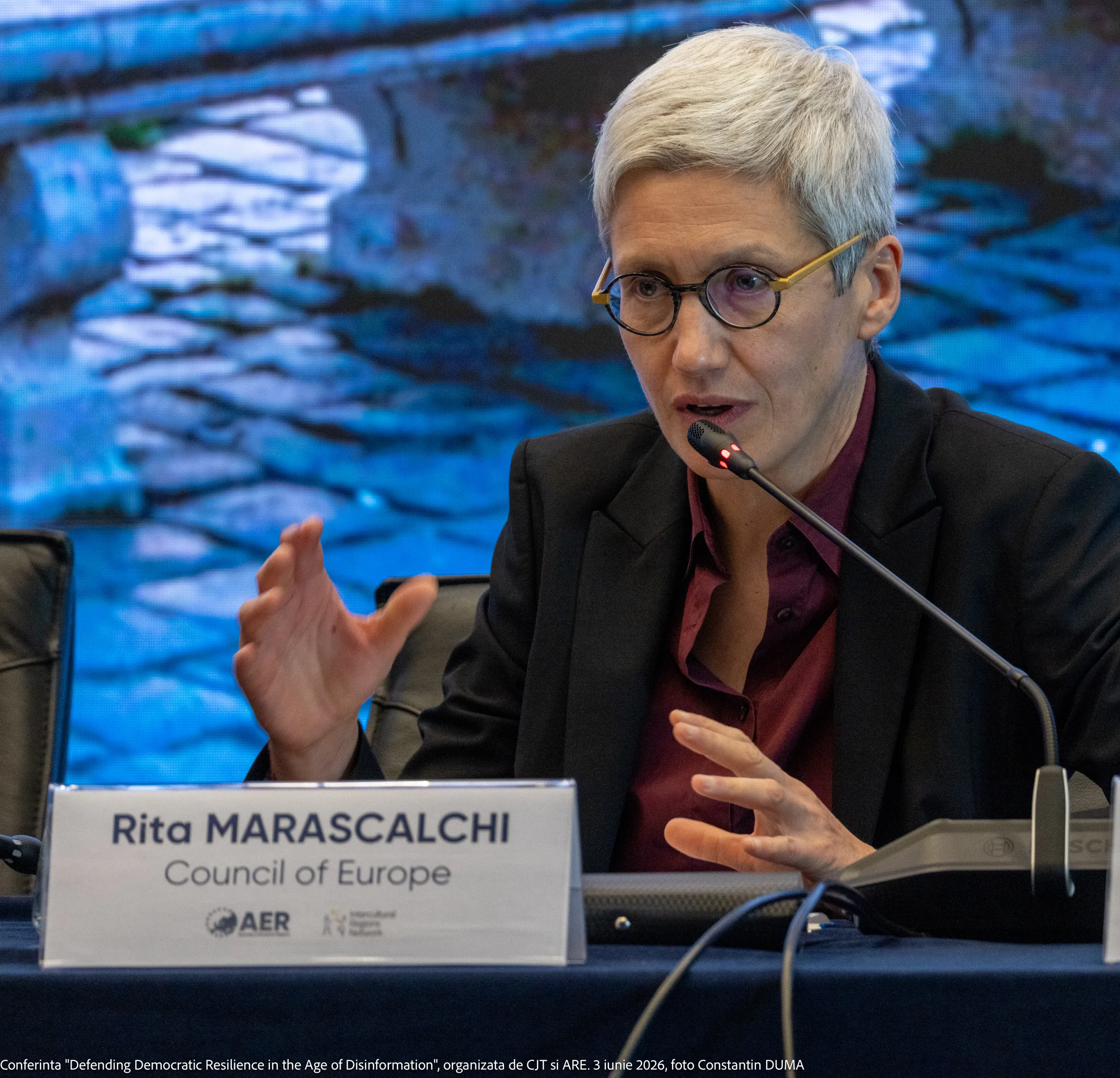
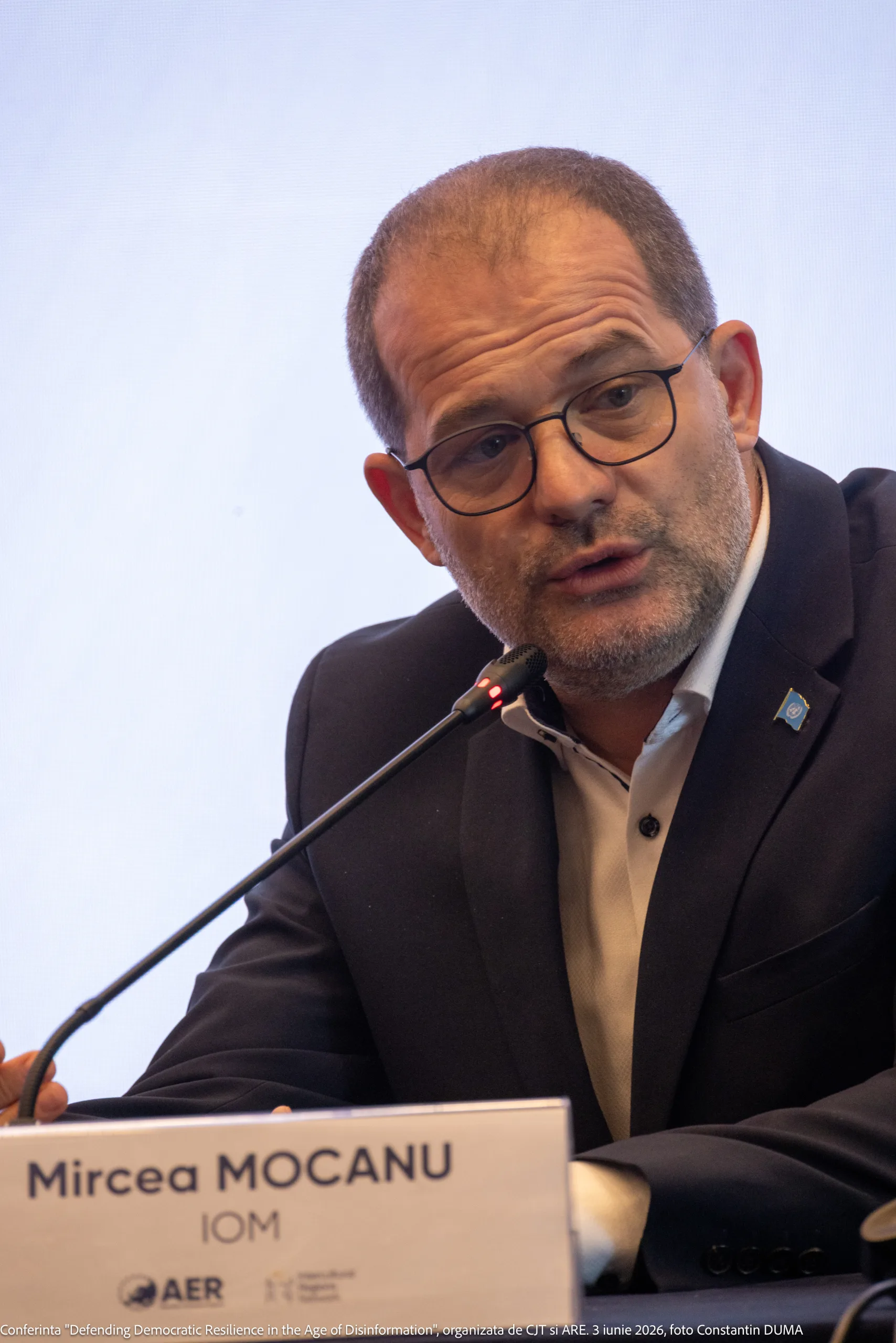
Revived in December 2025, the Intercultural Regions Network (IRN) held its second plenary session after the Bureau political debate. Chaired by David Moya, the session explored how regional and international actors can address current migration and integration challenges through multilevel governance models and intercultural policies. Rita Marascalchi, Head of the Council of Europe Inclusion and Integration Unit, provided insights into how the Council’s commitment to building capacity for integration translates into practical support for local and regional public authorities. With Mircea Mocanu, Head of Office in Romania for the International Organisation for Migration (IOM), the perspective broadened to the role of regional and local authorities in facilitating migrant integration.
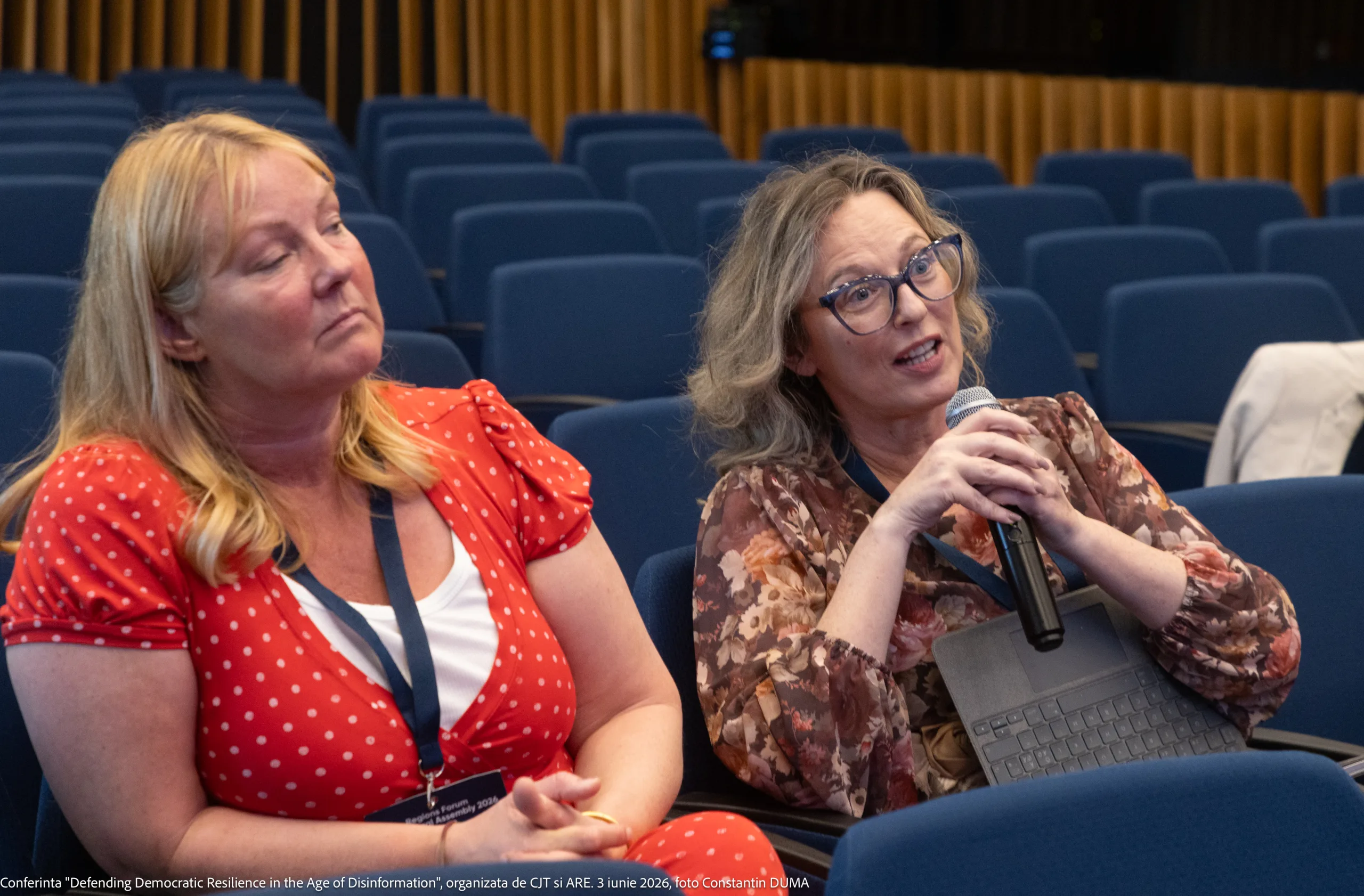
As this high-level dialogue wrapped up, IRN members re-elected David Moya (Catalonia, Spain) as Chair, and elected Minja Tea Dzamarija (Innlandet, Norway) as Co-Chair. The session was also an opportunity to approve the revised principles of network, and welcome new members to the IRN network: the Basque Country (Spain), Maramures (Romania), and Occitanie (France).
The IRN Plenary Session paved the way for the joint Capacity Building with the EU Urban Agenda Partnership for the Inclusion of Migrants and Refugees. The capacity-building session explored how to analyse media narratives using AI tools, drawing on the insights of Jens Linge, Team Leader at the Joint Research Centre (JRC). It also delved into how to develop intercultural responses to disinformation through the words of Claudio Tocchi, disinformation expert at the Council of Europe. It concluded with the experience of reversing the effects of hate speech in Catalonia, as shared by Alisa Petroff, Policy Officer at the Directorate on Migration of Catalonia.
About the General Assembly of the Youth Regional Network
Hosted by the Timiș Youth Foundation (FITT) , the Youth Regional Network convened its General Assembly on 4 June. In the opening exchange with Vice President Karimli, the outgoing President, Norbert Nagy, shared his experience working for the Salaj County Council and reflected on the importance of preparing young people to take on formal roles in institutional politics.
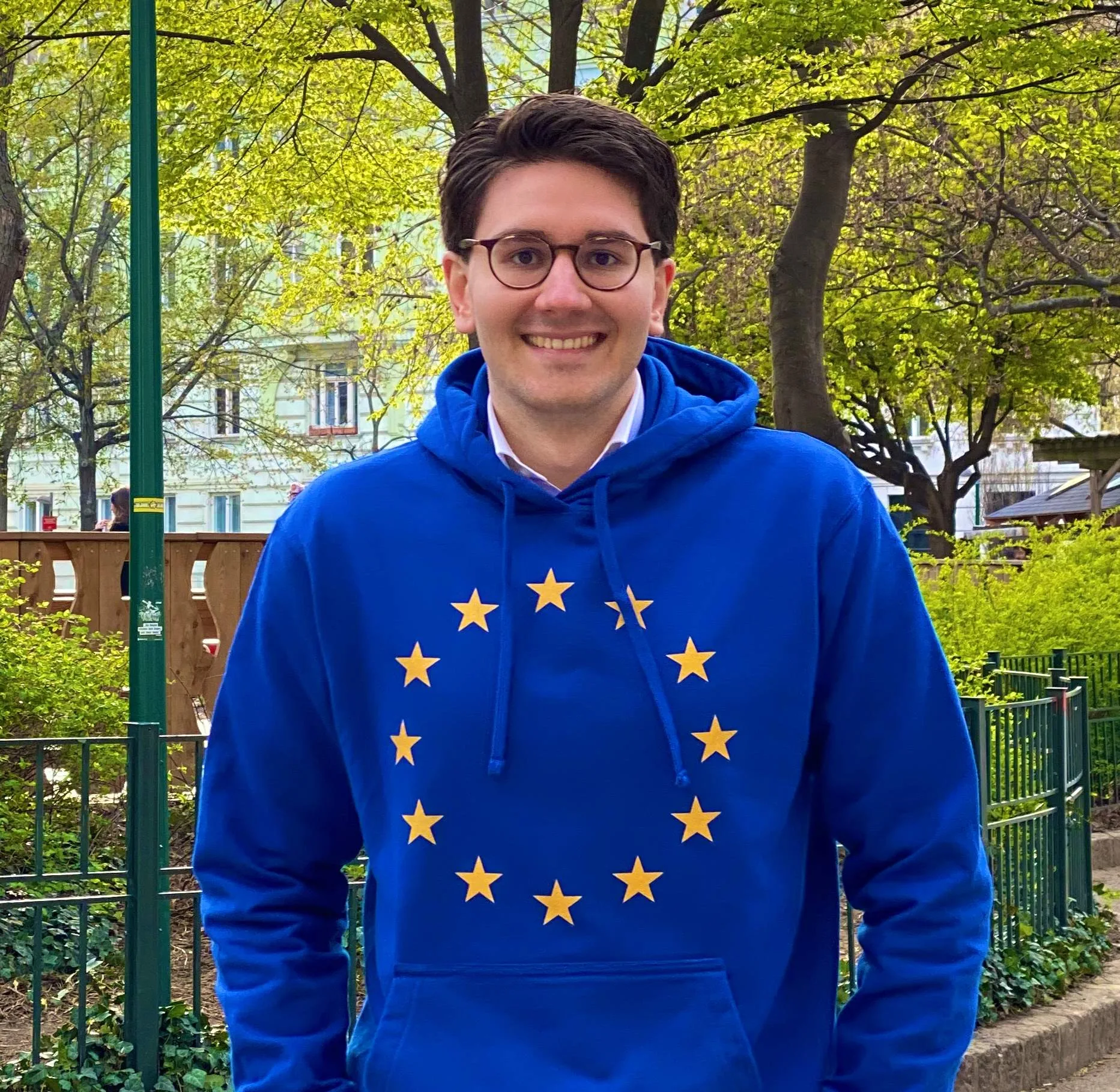
The commitment to empowering young people inspired the elections for the 2026 YRN Praesidium. Florian Wunsch, President of the Jozefstadt District Council in Vienna, Austria, was elected YRN President: he thanked Norbert for his invaluable work in engaging members across wider Europe and committed to strenghtening the reach and impact of the YRN.
About the High-Level Conference ‘Defending Democratic Resilience in the Age of Disinformation‘
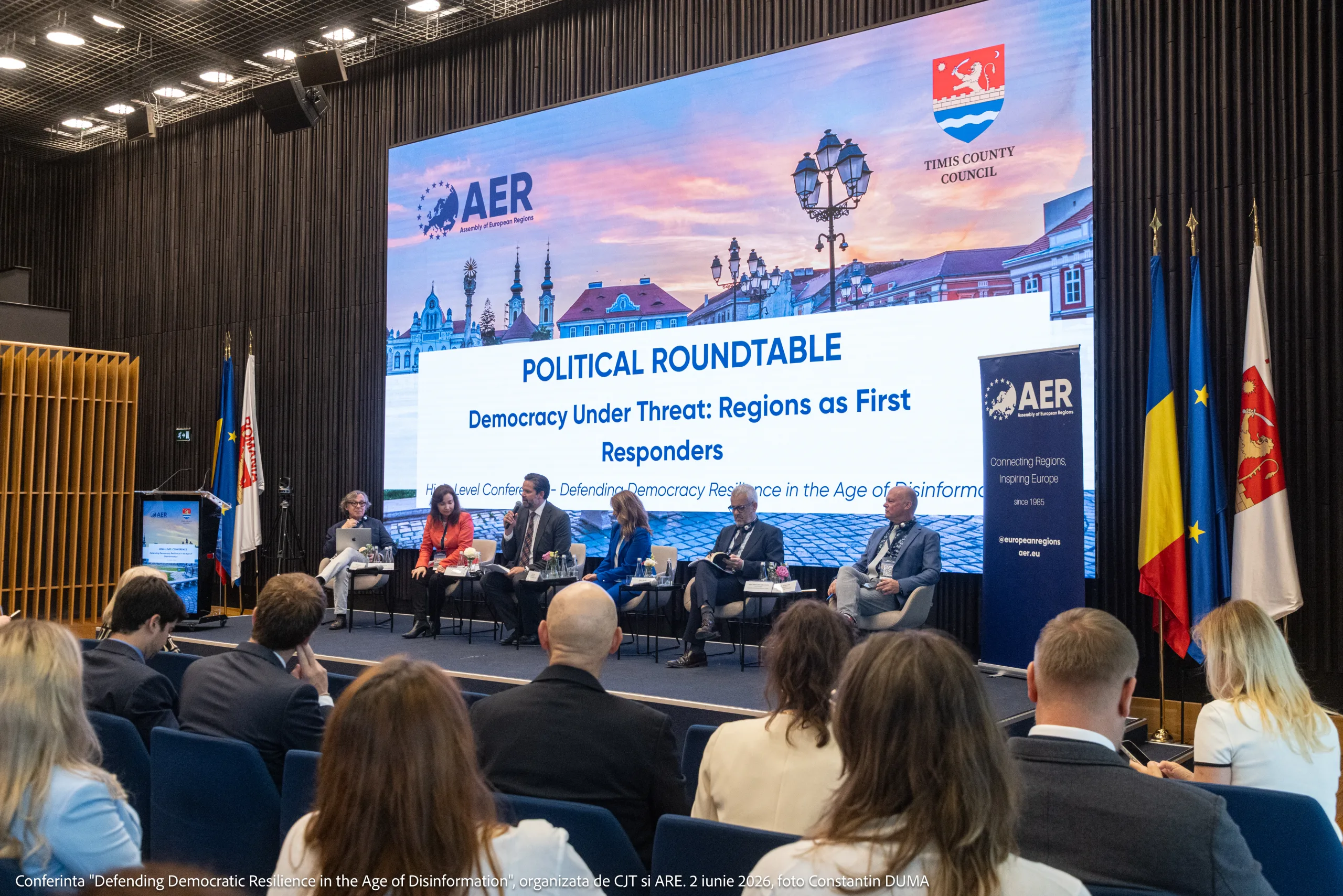
About the Political Roundtable
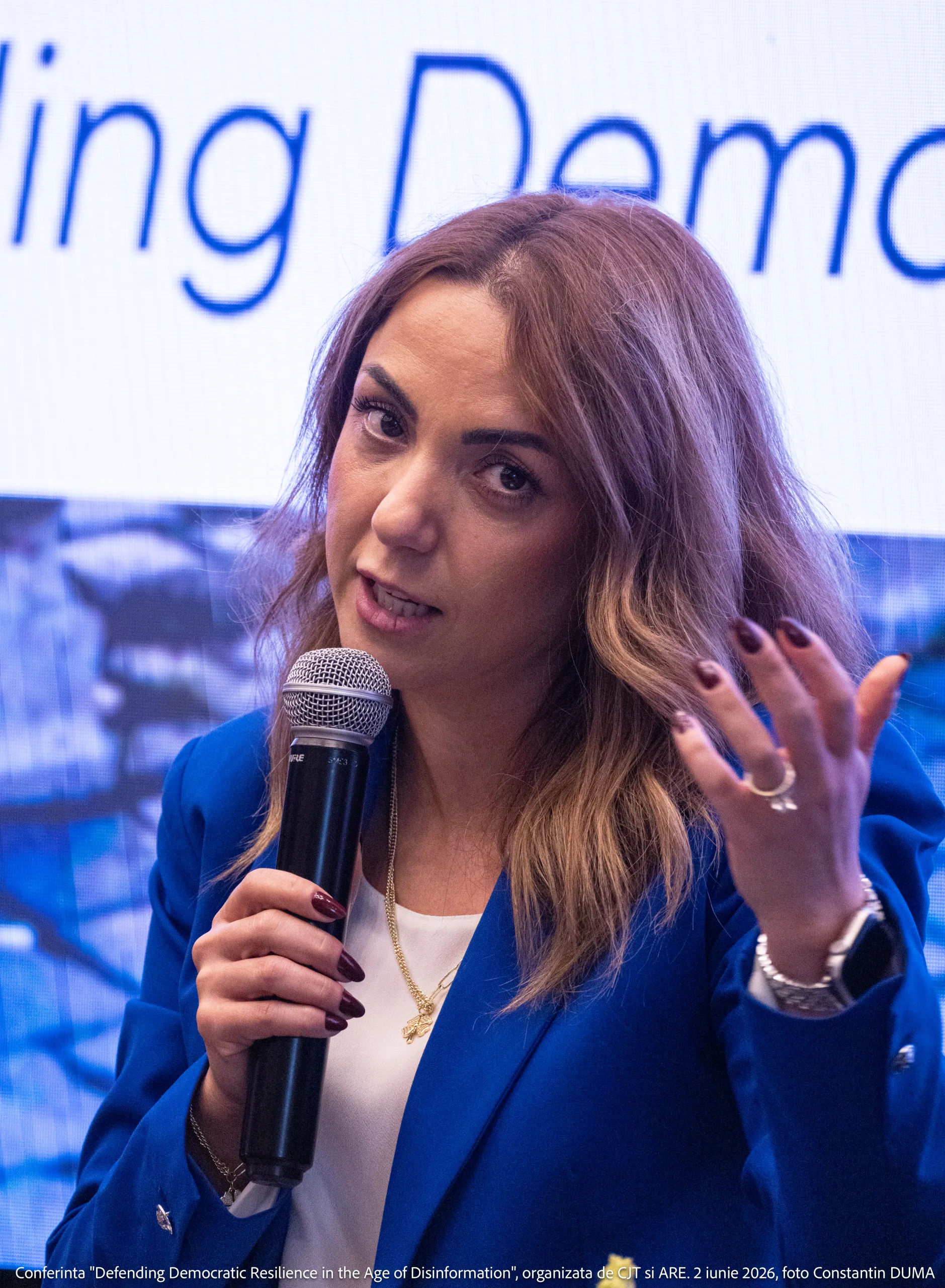
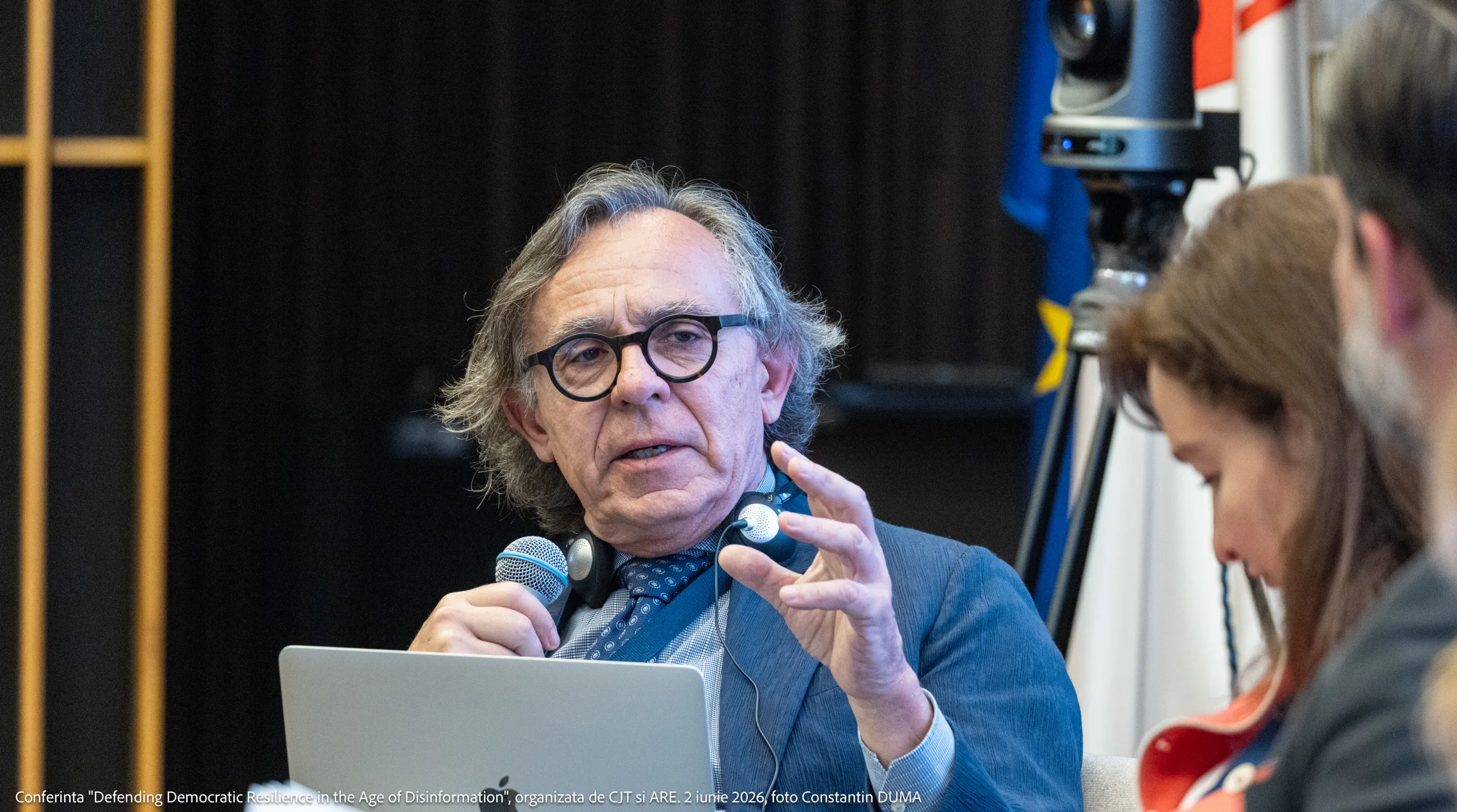
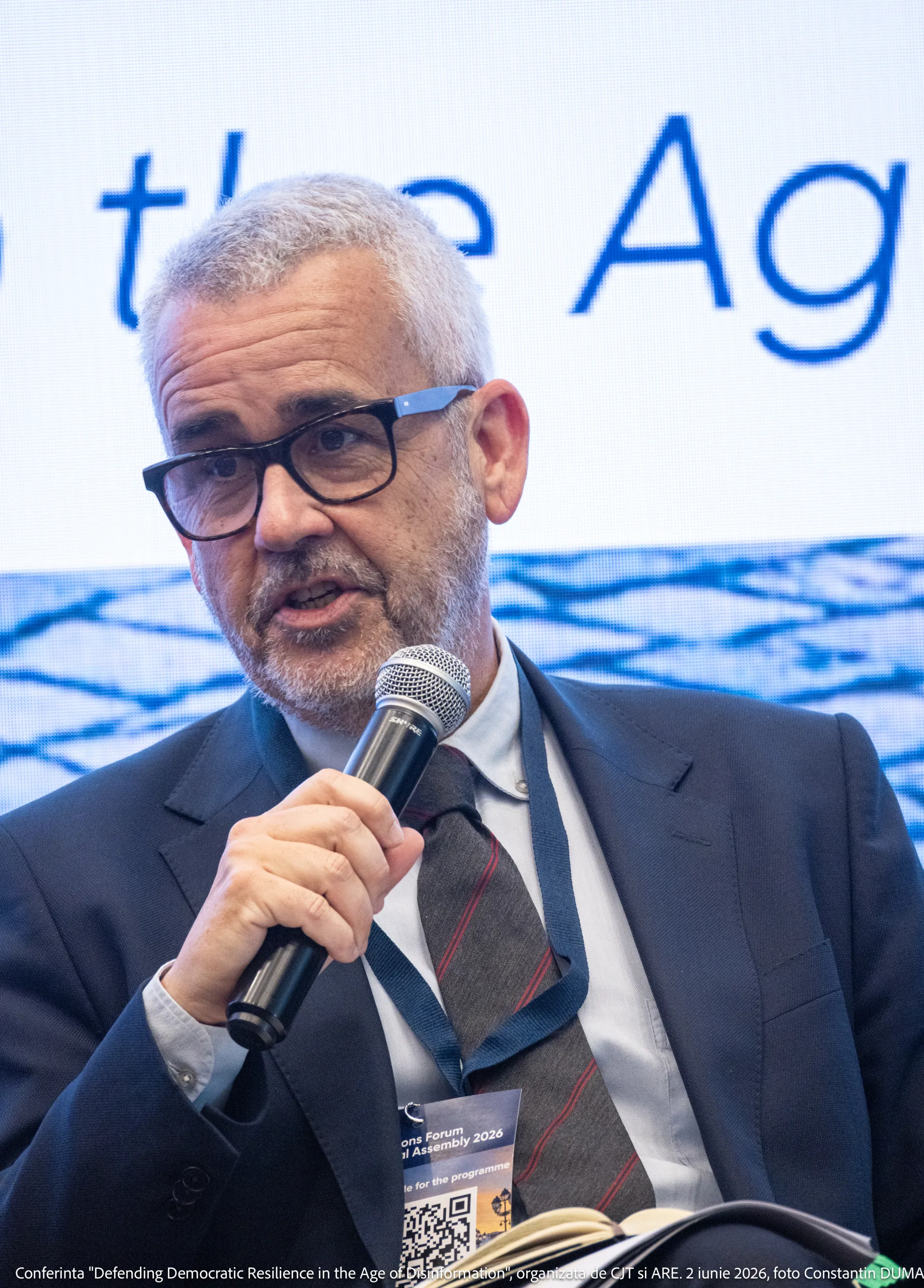
Against a backdrop of democratic backsliding, hybrid threats, and AI-driven manipulation, the conference brought together elected regional leaders and key stakeholders to lay the groundwork for cross-border political alliances to defend democracy. It opened with a high-level political roundtable chaired by AER President Lukas Mandl. AER Vice President Aida Karimli (Västra Götaland, Sweden) set out what “democratic resilience” means in practice today, while Paolo Cesarini of the European Digital Media Observatory examined the scale of foreign information manipulation and the role of algorithms in shaping public perception, including threats that remain largely undetected.
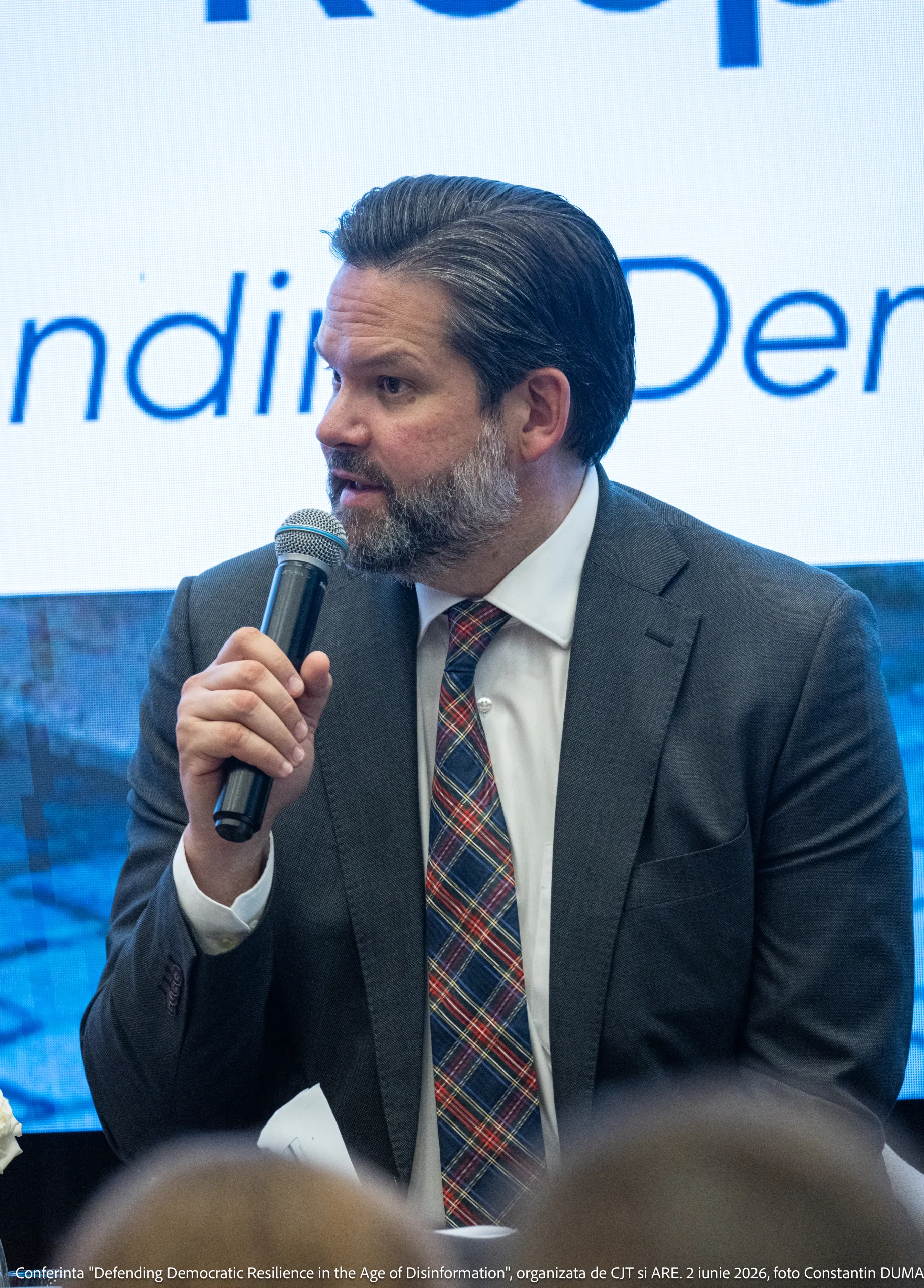
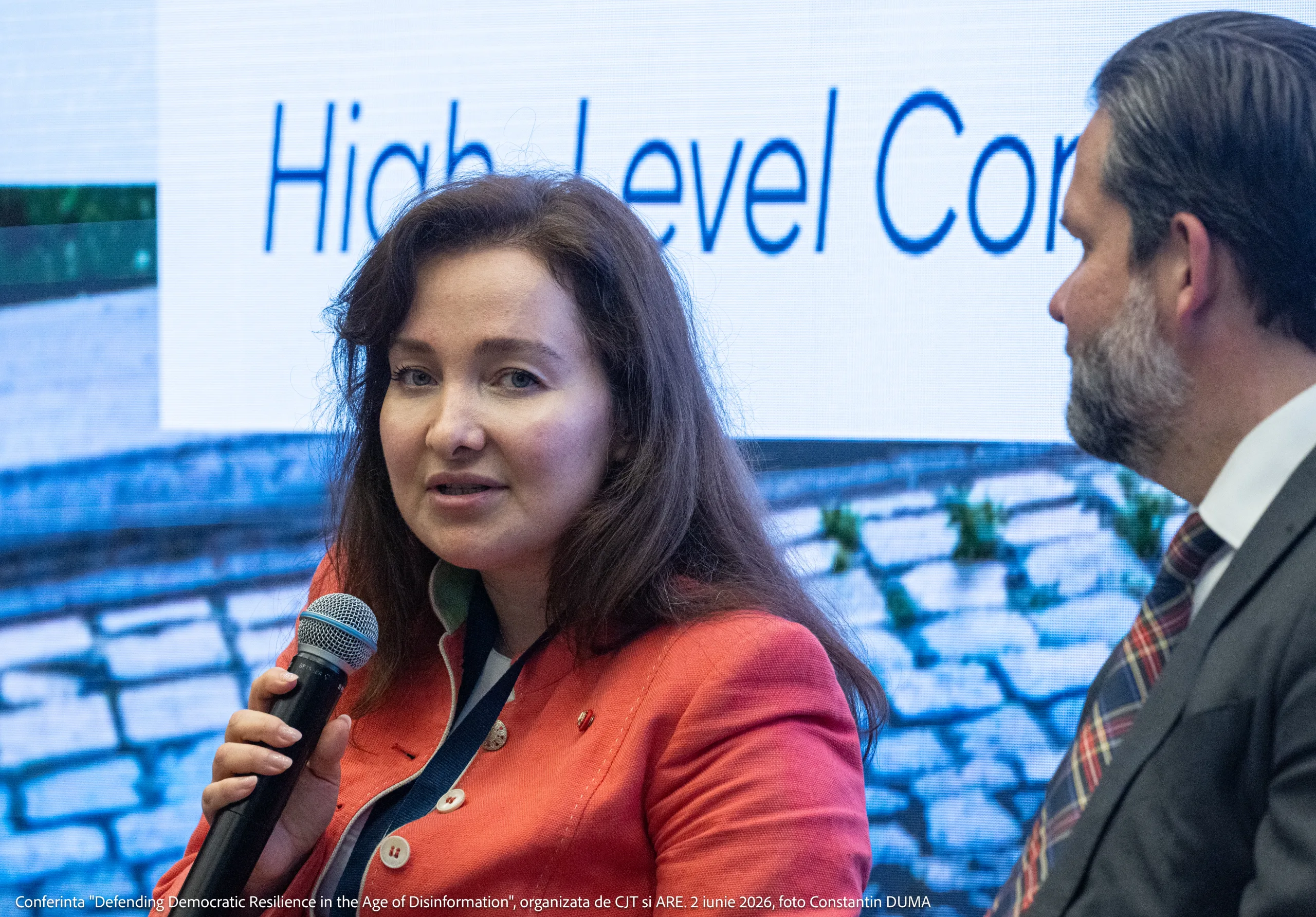
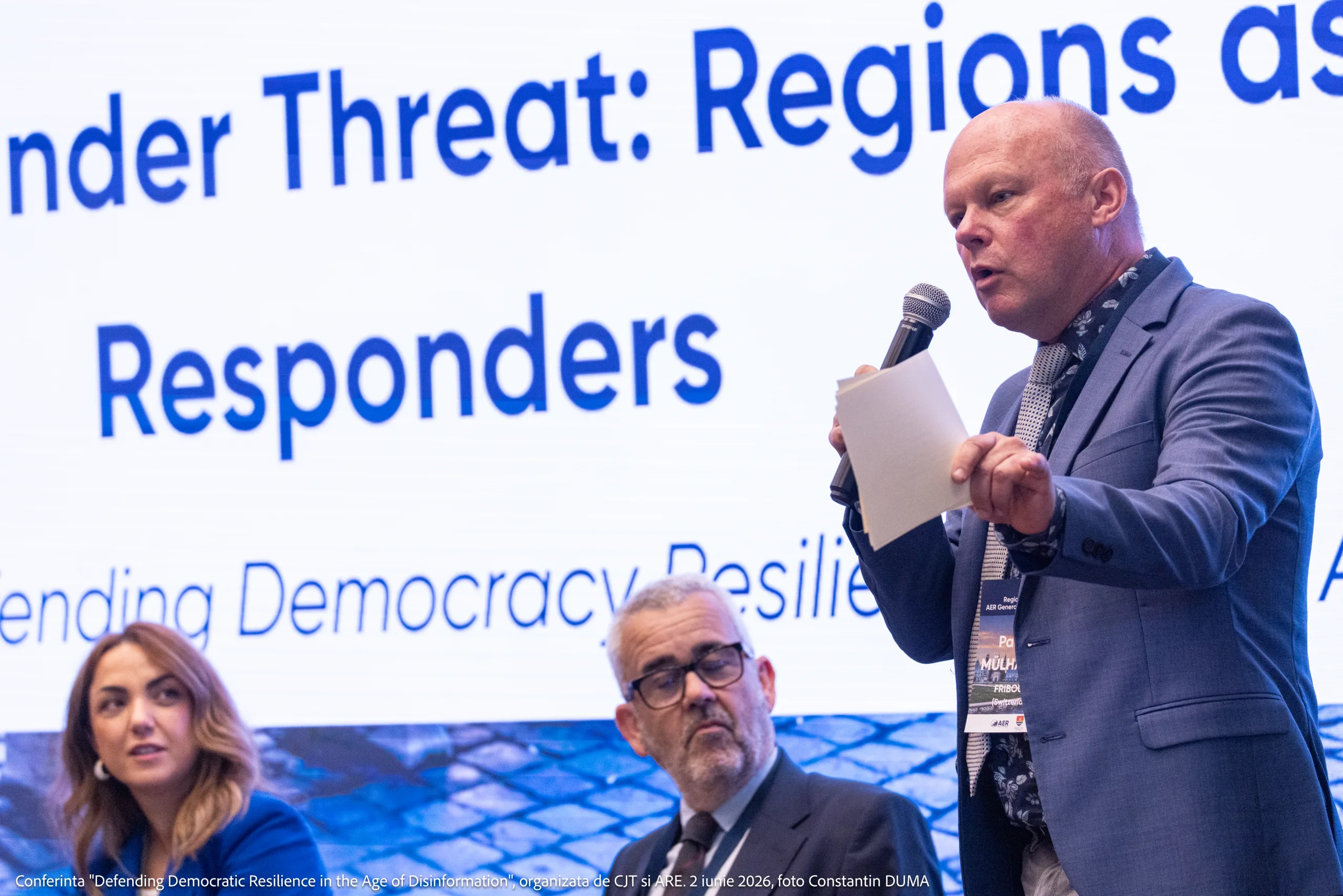
Aslihan Bozatemur, Councillor of the City of Vienna, drew on Vienna’s experience as the European Capital of Democracy, making the case for cities as “democratic infrastructure” that rebuilds trust through proximity and participation. Patrick Muelhauser, representative of the Canton of Fribourg (Switzerland), and AER Vice President Agustí Fernández de Losada (Catalonia) explored how cross-border cooperation and constitutional safeguards in systems such as those of Switzerland and Spain can serve as tools for democratic defence.
About the workshops on regions as democracy shields and the weaponisation of media
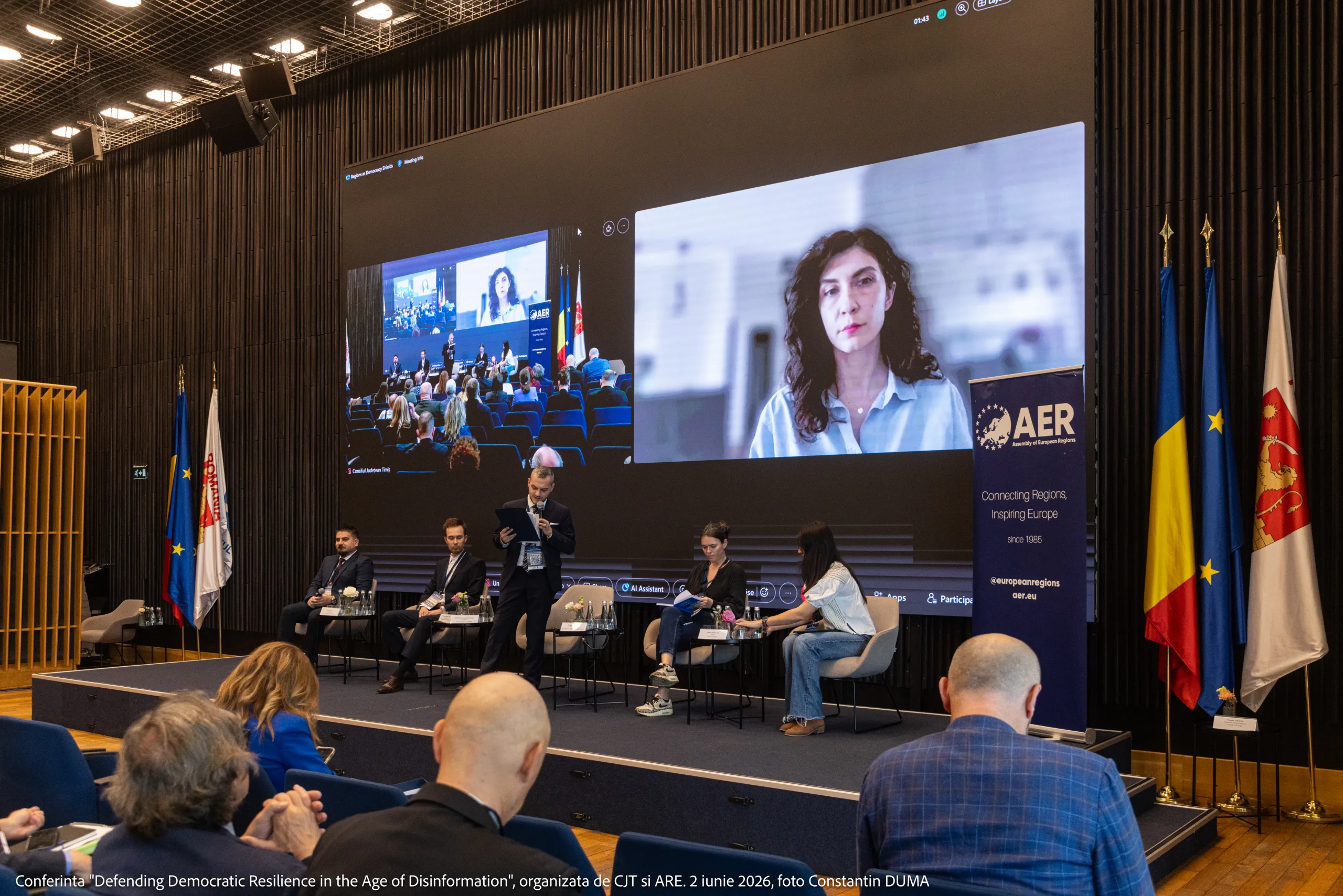
During the first workshop, ‘Regions as Grassroots Democracy Shields‘, experts from West University of Timișoara and the Polytechnic University set out how disinformation campaigns have evolved, how deepfakes and synthetic media influence opinion through social networks, and what technical solutions should be prioritised. Clémence Longley of the European Fact-Checking Standards Network addressed the real-world impact of these technologies on democratic societies and discussed how multistakeholder collaboration is essential to an effective response.
Youth disengagement emerged as a critical cross-cutting theme: Council of Europe expert Nadia Tismănaru examined what is driving young people away from democratic participation and how local and regional authorities can do better at meaningful inclusion. A case study from Romania’s National Cyber Security Directorate rounded out the session, exploring how AI is reshaping the cybersecurity threat landscape and how awareness, education, and a culture of incident reporting can build collective resilience.
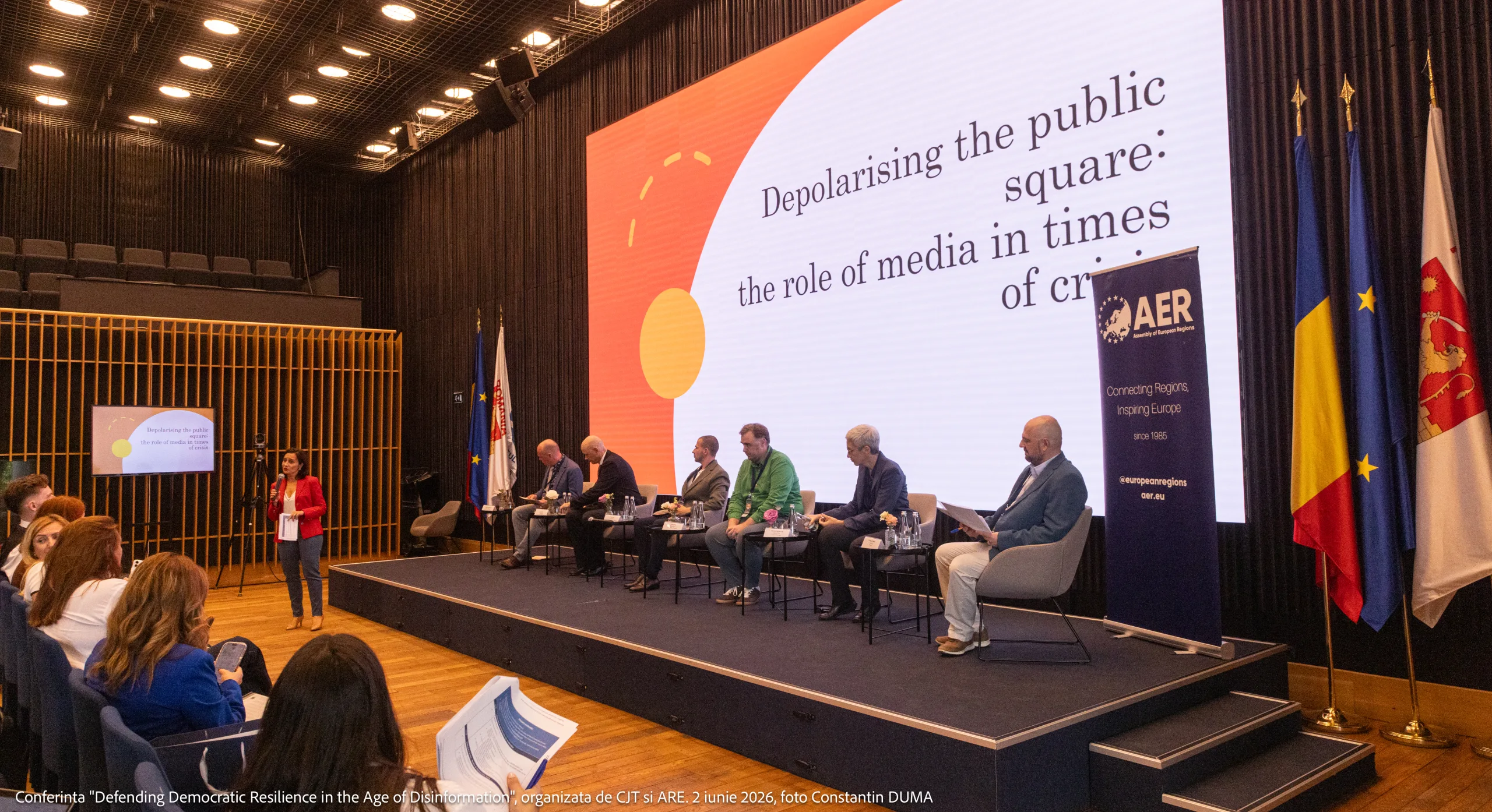
The final session of the day, moderated by Cătălin Gomboș of Veridica, turned to the media’s role in either deepening or healing democratic divisions. Sergiu Dema of the Jimbolia Press Museum traced the historical roots of hate speech and exclusionary narratives, showing how patterns of dehumanisation from the last century continue to resurface in today’s digital environments. TVR journalist Vlad Ungar shared frontline newsroom experience, discussing how disinformation erodes public trust and the daily pressures of balancing speed with accuracy.
Jens Linge of the European Commission’s Joint Research Centre demonstrated how AI tools can support the early detection of emerging narratives and map the spread of misinformation across media ecosystems. Rita Marascalchi of the Council of Europe presented the Intercultural Cities Programme as a practical model for combining inclusion with the protection of democratic freedoms. Closing the workshop, Patrick Mülhauser of the Canton of Fribourg spoke from the dual vantage point of a journalist and regional government representative, making the case for public investment in independent local media.
The Timiș Declaration: Defending Democracy is Everyone’s Job
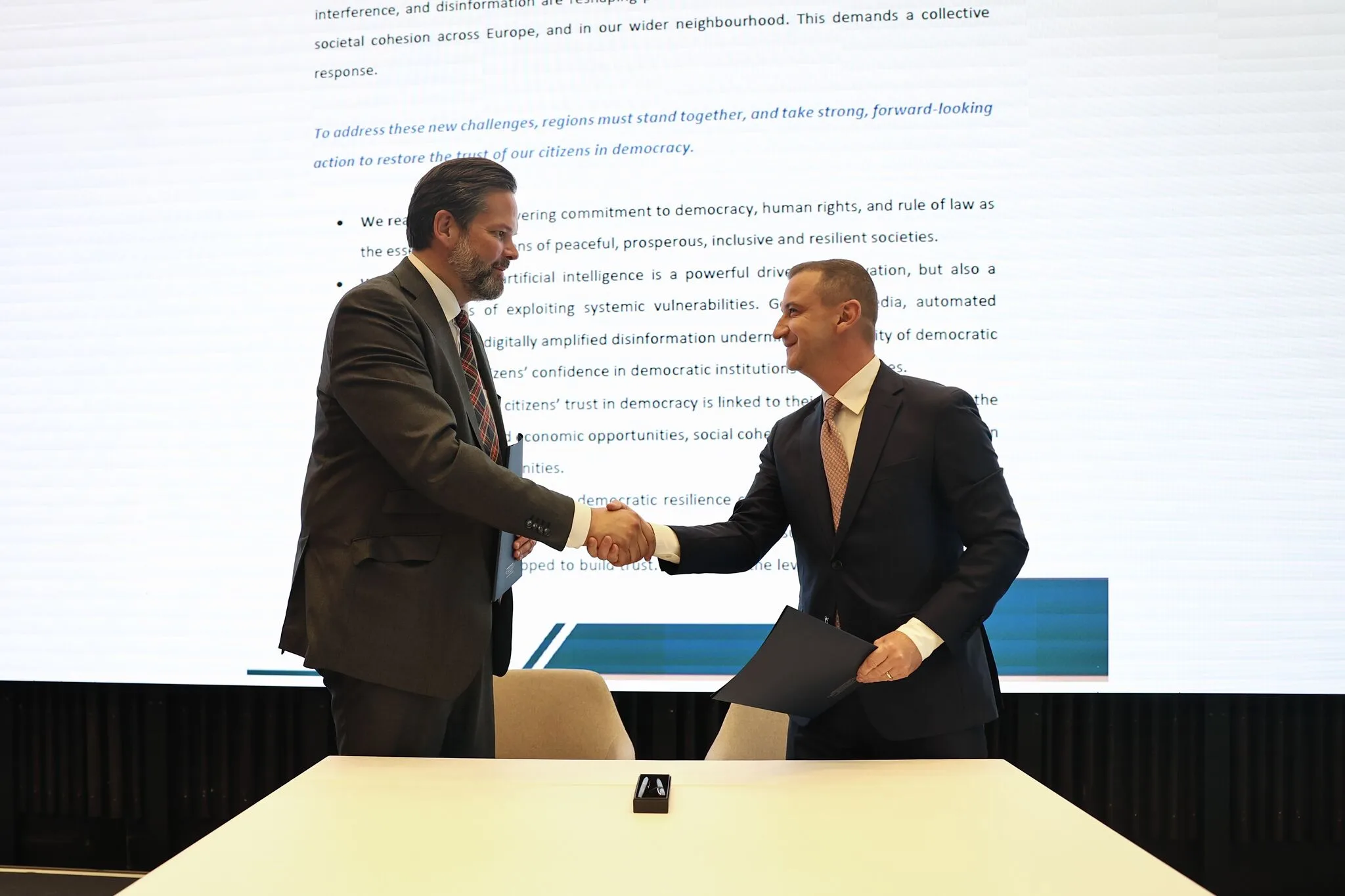
The Conference’s political weight and expertise shaped the high-level Timiș Declaration on Democratic Resilience. This joint political commitment, signed by AER President Lukas Mandl and Timiș County Council Alfred-Robert Simonis, reaffirms the shared mission to defend, strengthen, and foster democracy from its regional cradle to its international manifestations.
Save the Date for the Autumn Bureau Meeting on 9 December 2026 in Brussels!


