• Home
  • About
    • Governance & Structure
      • The AER Executive Board
      • The AER General Assembly
      • The AER Political Bureau
      • Statute & strategies
        • AER Election Committee
        • AER Monitoring & Evaluation Group (MEG)
        • AER Procedures
      • The AER Secretariat
    • The History of AER
  • Members
    • Who are AER’s members?
    • Member Directory
    • AER stands with Ukraine
    • Join AER!
  • Mutual Learning
    • About Mutual Learning
    • Working Groups
    • Knowledge Transfer Events
  • Advocacy
    • About Our Advocacy Work
    • The Bureau
    • The 2030 Agenda for Sustainable Development
    • AER Political Priorities 2025-2030
  • Projects
    • About Our Projects
    • Ongoing Projects
    • Look for Partners
    • Completed Projects
  • AER Programmes
    • AER Summer Academy
    • Eurodyssey – Paid traineeships in European regions
    • Intercultural Regions Network
    • AER Youth Regional Network (YRN)
  • Events
    • AER events
    • Other events

Assembly of European Regions

Connecting regions, inspiring Europe since 1985

You are here: Home / Search for "mental health"

Search Results for: mental health

Regionalisation in Iceland: from the national level, straight to local

25 September, 2017 By Editor

Divided in Statistical regions

Iceland is an island country located in the North Atlantic Ocean. A member of the European Free Trade Association, from March 2015 it is not anymore a candidate country to the European Union. Iceland is a unitary State and a republic with a parliamentary government. It presents two levels of administration: the national/central government and local authorities (municipalities). No regional level exists. There are regional committees based on regional cooperation between local governments, but they cannot be considered as separate units of administration. The eight landsvæði (regions) in which the country is divided are only used for statistical purposes, e.g. demography. The Icelandic statistical regions are: Capital region, Southwest, West, Westfjords, Northwest, Northeast, East and South.

Landsvæði are subdivided into 23 sýslur (counties), eight kaupstaðir (independent cities), seven bæir (towns), and five divisions of other types. The counties are further subdivided into smaller units, i.e. municipalities, which can be defined using different Icelandic generic terms. As a result of rapid social development over the last decades, improved communications, increased duties of local authorities and shifting of tasks to them, several municipalities have merged. Since the 1970s their number has decreased by almost a half. While there were 204 municipalities in Iceland in 1990, their number diminished to 76 in 2010.

Local governance

Municipalities administer local matters through an elected council. They have responsibilities in several fields, such as water supply, waste collection and treatment, electricity, street construction and maintenance, social services, primary education, town planning and building regulation, public parks and open areas, monitoring of public and environmental health, economic promotion, transport and harbours. Such tasks are entrusted to municipalities by law. They have a certain degree of flexibility in undertaking other tasks relevant to residents.

The legal status of local authorities and their relationship with the central government is defined by Article 78 of the Icelandic Constitution of 1944. It affirms that: “Local authorities shall govern their own affairs themselves as provided by law. The revenue sources of local authorities shall be determined by law, as shall their right to decide whether, and to what extent, to exploit them”. The autonomy of local authorities was confirmed on 20 November 1985, when Iceland signed The European Charter of Local Self-Government.

In addition to the Constitution, another important legal source concerning local authorities is the Local Government Act, n° 138/2011, as amended. Section 1 of Article 1 of the Local Government Act states that Iceland is divided into municipalities which govern their own a airs. Two other main legislative texts are the Local Government Elections Act n° 5/1998, as amended and the Local Government Finance Act n° 4/1995, as amended. Legislation for specific sectors such as social welfare, education and planning was also enacted.

The local authorities’ administration is exercised under central government supervision. The Ministry of the Interior ensures that decisions of local authorities conform to the law and do not include tasks that have been assigned to other bodies of law.

According to section 5 of Article 3 of the Local Government Act, local authorities shall have their own sources of revenue, and shall be autonomous in establishing fees, which are collected by their own companies and agencies in order to meet their own expenses. The local authorities’ own taxes are the real estate taxes and local income taxes. The Local Government Finance Act permits municipalities to levy them.

The Act also provides for transfer payments to local authorities through the Local Authorities’ Equalisation Fund. Article 77 of the Icelandic Constitution affirms that the tax system shall be decided by law; as a result, local authorities are not allowed to introduce new types of taxes. Icelandic local authorities’ income is mainly based on municipal income tax (63%). Various service fees account for 18% of their income and property taxes for 11%, whereas income from the Municipality Equalisation Fund accounts for 8% of total revenues.

by Gianmartino Contu

The Report on the state of Regionalisation in Europe.

More than 40 experts contributed to this work, by delivering detailed reports about the state of regionalisation and multilevel governance in chosen European countries. The study covers 41 countries, and each country report is based on a similar structure, thereby allowing a comparative approach among all studied countries.

  • The first part of the report gives the political impetus from the main European stakeholders
  • The second part of this report entails a summarised version of the country reports. The objective is to provide interested readers with a short overview of the main features of regionalisation in various European countries. The complete versions of the country reports are available on the AER website, under LINK
  • The third part provides a thematic approach based on the main findings delivered by the country reports and the current state of regionalisation in Europe. The trends and outlooks lead to open questions on the future of the regions in the European landscape, and more broadly on the role of subnational authorities in the shaping of the continent.
  • The fourth part gives the floor to the actual regional decision-makers in Europe, across a series of interviews and statements by Presidents, Vice-Presidents and elected representatives of the European regions.

Over the next months, we will be focusing on a different European country’s approach to regionalisation. During these months, look out for #RoR2017 on Twitter and/or Facebook and follow us at @europeanregions.

Strong European regions are a pathway to a stronger Europe.

Follow AER!
Facebooktwitterlinkedinrss

Nancy workshops: targeted experience exchange

20 September, 2017 By Johanna Pacevicius

The value of data, smart green and integrated transport systems, regions and culture,  youth mental health and life-cycle approaches: the workshops organised on the occasion of the Nancy plenary meetings were an opportunity to exchange experiences on a series of topics close to regions’ heart.

Data, the world’s most valuable resource

We generate quantities of data each day said Agneta Granström, Chair of the AER e-health Network and Committee 2 Vice President for Health Innovation, and know only part of how this data is used and by whom. Yet data may be referred to as the new oil: complex to collect, expensive to transform, central to the economy and with endless potential.

In healthcare applications include a variety of aspects including the patient’s records, healthcare management, and the aggregation of medical information to support diagnosis and treatment.

Guy Mangin, coordinator of the NENObase big data project at the Technical University of Nancy and Marilyne Vô, collaborator to the NENObase explained how their project started from the needs of neurologists and involves doctors, hospital managers, students in an effort to offer support to neurologists for diagnosis and treatment.

The strength of the project resides in it involving different stakeholders in the co-creation of the tool. Because brain tumours are very rare and extremely diverse, neurologists often find themselves in a difficult place when they have to propose the best treatment. Moreover the treatment involves a team of different specialists ranging from radiologists to anatomopathologists. The NENObase allows to pool the knowledge of hundreds of specialists and provide patients with better quality of healthcare.

As Kenneth Johannesson, Committee 2 Representative for Equal Opportunities underlined, big data tools like the NENObase have tremendous potential to provide citizens in rural areas with better healthcare and give doctors  with access to existing knowledge.

Data and data treatment are a game changer too. They are re-organising power between stakeholders. Policy-makers therefore need to concentrate considerable efforts on the development of health innovation ecosystems. This relates also to the topics which will be discussed at the Artificial intelligence: are regions up to the challenge? event on November 30th in Brussels.

Transports: smart green and integrated

The AER working group on Transports and Mobility, which is led by Martin Tollén looked into the opportunities for members to get involved in the European Strategy on Cooperative Intelligent Transport Systems (C-ITS). AER Coordinator for Institutional Relations & Advocacy Vania Freitas provided an update on the EC Strategy and informed about the ways she can offer members support.

Matthieu Jacquot, Director of COVIVO, a Grand Est (FR) example of shared mobility solutions offering carpooling for companies and communities, explained how public and private transport solutions complement each others. The futur of mobility is facilitated by IT applications.

Discussions included questions of access to transport solutions, inter-modality and shifting habits. The working group will continue to focus on these topics and the ways regions can promote sustainable mobility services. A recurrent topic for this group is also the support to regional airports (as opposed to larger airports), which continue to be an essential part of the connectivity of territories. Roger Estefors, the group’s expert on regional airports provided an update on the situation.

Regions for culture and vice-versa

The breakfast briefing on culture was an opportunity to reflect about the role of regions for the development of culture and the role of culture in regional development. Grand Est Vice President in charge of Culture Pascal Mangin provided insights on the region’s role and action in this field. Magnus Berntsson, in his quality of President of the Regional Council of Västra Götaland (SE) shared an example of how the region’s support in the film industry enabled to propulse the sector and get significant returns on investments, in terms of quality, international recognition and regional development. Katarina Tolgfors, County Councillor from Örebrö, shared the experience of the theatre where she also works as a communication professional and Alf Norberg, County Councillor from Gävleborg provided more insights on his region’s action in the framework of the 2018 European Year for Cultural Heritage.

AER Coordinator for Finance of European Projects Luca Magri updated members on opportunities which will be available for regions in the context of the European Year for Cultural Heritage. 2018 will see activities and initiatives all around Europe to get people interested and involved in cultural heritage. The calls for projects were published after the Breakfast Briefing and are now available on the European Commission’s webpage. The deadline is 22/11.

Youth mental health: creating real added value

Any project proposal should always aim to create useful outputs for stakeholders. Linda Moestam explained how the SAM project in Norrbotten (SE) has been able to engage all interested parties in a co-creation process on good mental health. They jointly developed an toolbox to promote good mental health at all stages of life. Participants identified jointly the stakeholders they would like to benefit with this project and then worked together to define outputs which would actually be efficient.

The AER Subcommittee on Youth led by Marta Vilalta has been working on the identification of needs for regional action in the field of youth since November 2016 in Izmir. The group identified the difficulty for young people to relate to others as a shared concern across wider Europe. This led to the idea to developing a joint initiative involving Committee 2 and Committee 3 members. A preparatory meeting took place on the occasion of the AER General Assembly and resulted in the decision to develop an EU-funded project.

Life-cycle approaches

The last workshop of the week was the one led by Fritz Balkau on life-cycle approaches for regional development. This approach which takes into account all the steps of elaboration of products and services is useful for regional development planning and blends well with AER activities on the circular economy such as the 2016 Regional Innovation Award.

Follow AER!
Facebooktwitterlinkedinrss

The AER Committee Plenaries –  Thank you for an eventful week!

19 September, 2017 By Mathieu Mori

The AER Autumn committee plenary week was very busy indeed.

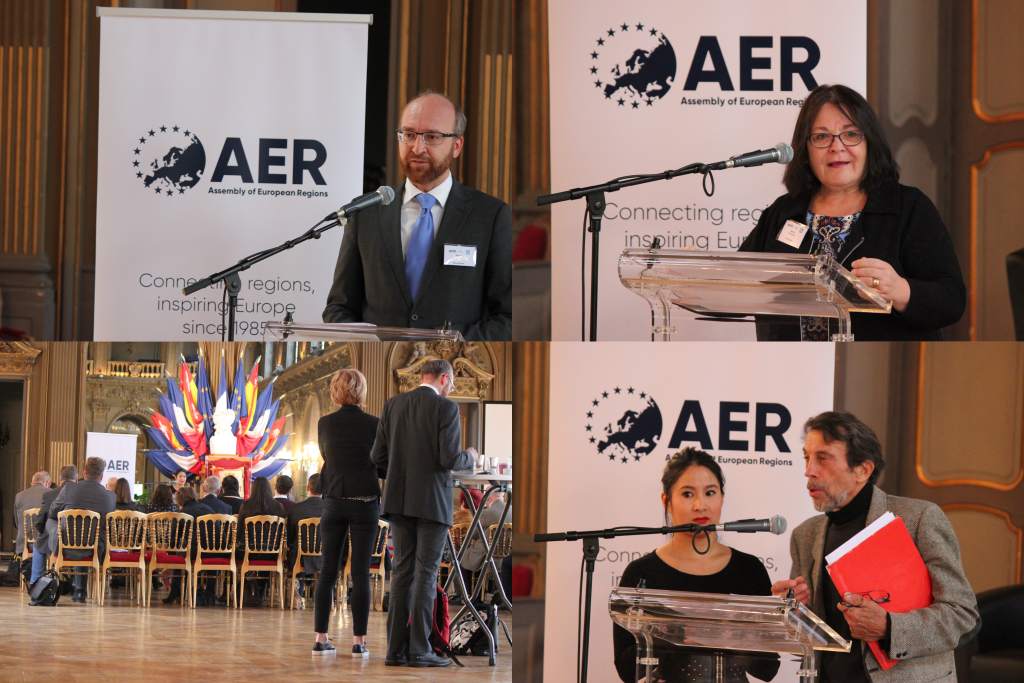
Hosted by the city of Nancy and the region of Grand Est, we were pleased to welcome our members in the grand setting of Nancy town hall (Grand Est-FR).

As the week went by, we covered an incredible range of topics and gave concrete tips and cooperation opportunities to our members.

Many things were accomplished during the week. The Executive Board (EB) gathered and decided on the Vice Presidents’ portfolios. Their action plan will be discussed at the next October EB meeting.

Another gathering occurred: the renewed AER team comprised of the Strasbourg and Brussels staff and the Seconded officers team. This was quintessential to align working methods, and ensure great cooperation in the months to come.

Committee meetings shined a light AER’s services on European projects and advocacy as well as how to use the Interreg Europe policy learning platform, of which AER is a key leader for the next 8 years.

To list only a few of the topics of the week in Nancy:

  • A debate on culture in the digital age in presence of the director on culture and creativity of the European Commission;
  • next steps on cohesion policy;
  • e-health and the value of data;
  • the latest innovation on carpooling and sustainable mobility solutions;
  • our next advocacy actions on regional airports;
  • next steps on our European project on youth mental health;
  • an introduction to the lifecycle for renewable energy.

It was quite impossible to leave Nancy without at least one cooperation opportunity!

Finally, please see below a few words from AER President Magnus Berntsson, who offered words of summary during the Committee Plenaries last week.

Follow AER!
Facebooktwitterlinkedinrss

AER Committee Plenaries – 12/14 September – Relive the week here!

18 September, 2017 By Elin Berglie

#AERCP2017

From 12 to 14 September, AER was in Nancy, France for their Autumn Committee Plenaries.

The programme focused on the following topics:
For presentations, please visit the event’s webpage. >>HERE<<

As the autumn committees’ plenaries have come to an end, we look back on three very interesting and intense days, gathering more than 130 people from approximately 50 regions.

The theme for the plenaries was “Is there a future for culture in the digital age? The rhetorical question was vividly discussed the first day by the moderators as well as by our member regions. Several regions shared their experiences and best practices, and many good examples on how to make culture more accessible and how to empower the citizens were given. The regions also got an update on the European Year for Cultural Heritage 2018 and projects to come.

The Culture debate was followed by an update on AER’s task force work on the Cohesion Policy paper, which is one of the main advocacy works done by AER this year. This discussion brought many members into the task force, which shows the importance of advocacy. In addition to the task force’s work, a recently launched call for proposal for a project regarding Cohesion Policy was presented. The call was launched by DG Regio and the objective of the call is clear: to produce and disseminate information and content linked to EU Cohesion policy.

These engaging topics were followed by the three Committees’ Plenaries.

Committee 1

Jean-Luc Vanraes, Committee 1 President, opened his Committee’s session describing the status of their activity plan. It was followed by a debate on Artificial Intelligence (AI), and if the regions are up to the challenge. The participants were divided into groups to discuss the following AI in the following areas, education, jobs and innovation, health and citizen’s engagement.

The outcome will serve as a base for the event on Artificial Intelligence the 30th of November in Brussels organised by AER’s member, Brussels Capital.

Committee 2

Mihai Ritivoiu, Committee 2 President, opened the Committee 2 session with a current state of the Committee 2 Action Plan. After that a debate was held around inclusion and what the regions are working on and what their focus is. Groups were formed to exchange ideas and good practices on senior citizens, young people, immigrants and minorities. The result of the discussions will lay ground for potential joint projects on inclusion, to share good practices from all over Europe and try to define a general approach to inclusion.

Committee 3

Dag Rønning, Committee 3 President, started by giving a view on the action plan, then Mr Rønning presented a proposal of a cultural cooperation between AER and The Norwegian Youth Festivals of Art, UKM.

The objective of UKM is to stimulate young people’s creativity and make their cultural activity visible. The UKM is designed to be flexible and informal; it aims at tickling the participants’ curiosity and broaden their cultural horizon. The UKM is rooted in the regions in Norway and it’s therefore natural to use the regional level as a basis for developing international cooperation. The Assembly of European Regions (AER) with its Youth Regional Network could to be an ideal structure to realise this.

Several regions expressed their interest in the presentation and discussions will follow on how to realise this project starting in 2018.

During the day, Shine Bright recognitions, were given to 6 regions for their excellent work, engagement in the network and work to promote interregional cooperation. The regions were as following; Upper Austria (AT), Izmir (TR), Örebro (SE), Abruzzo (IT), Covasna (RO) and Grand Est (FR).

The following day, regions got the opportunity to debate and discuss around several interesting topics, the role of regions in culture, E-health network and the role of data, transport and mobility, smart and integrated, Youth Mental Health and Sustainable Development. The regions shared best practices and exchanged information on the various subjects, and the day also served as an arena for our members to meet and discuss potential cooperations and joint projects. Many new ideas were born and several regions learnt that they were sharing the same challenges. The challenges and the opportunities that follows will help to create better interregional cooperation and a stronger Europe.


Related articles

Workshop on smart green and integrated transport systems

Workshop on smart green and integrated transport systems

The AER working group on Transports and Mobility held a workshop on smart green and integrated transport systems on 14 ...
Read More
Outcome of Executive board meeting (Nancy 12/09/17)

Outcome of Executive board meeting (Nancy 12/09/17)

As the next Executive Board (EB) meeting is around the corner, here is a short recap of the main outcome ...
Read More
Nancy workshops: targeted experience exchange

Nancy workshops: targeted experience exchange

The value of data, smart green and integrated transport systems, regions and culture,  youth mental health and life-cycle approaches: the ...
Read More
The AER Committee Plenaries -  Thank you for an eventful week!

The AER Committee Plenaries –  Thank you for an eventful week!

The AER Autumn committee plenary week was very busy indeed. Hosted by the city of Nancy and the region of ...
Read More
AER Committee Plenaries - 12/14 September - Relive the week here!

AER Committee Plenaries – 12/14 September – Relive the week here!

#AERCP2017 From 12 to 14 September, AER was in Nancy, France for their Autumn Committee Plenaries. The programme focused on the following ...
Read More
Committee 1 debates artificial intelligence

Committee 1 debates artificial intelligence

On the occasion of AER 2017 Autumn Plenaries, Committee 1 will host a debate on Artificial Intelligence. Proposed by Jean-Luc ...
Read More
Call for proposal on Cohesion Policy: the perfect call for AER region members!

Call for proposal on Cohesion Policy: the perfect call for AER region members!

There are no topics that fit AER's mission more than cohesion policy. During its Bureau meeting in Lower Austria, AER ...
Read More
Friendlier Healthcare for all regions? We're working on it!

Friendlier Healthcare for all regions? We’re working on it!

Have you ever found yourself stuck for hours in your doctor's waiting room, waiting for a consultation that turns out ...
Read More
Follow AER!
Facebooktwitterlinkedinrss

Committee 3 Progress report 2017

31 August, 2017 By Johanna Pacevicius

Twice a year the members of the AER Committee on Culture, Education and Youth gather in plenary meeting. This is the opportunity to set goals for cooperation through the elaboration of a joint work programme. Progress is evaluated, achievements are celebrated and experiences shared.

Evaluating progress

During the elaboration of the work programme in London, planned activities were organised in 3 categories:

  • Projects
  • Good practice sharing
  • Lobbying

The below progress report was compiled for the autumn 2017 plenary meeting in Nancy. It gives an overview of the situation, 6 months after the adoption of the work programme.

Projects

  • Involvement of YRN in AER projects: ongoing

AER is supporting the YRN’s participation in European Projects in 2 main aspects:

  1. support in the development of own projects, as in the case of the development of an environment project based on the UN Sustainable Development Goals (SDGs). YRN representatives met with AER Coordinator for European Projects & Private Partnerships Agnese Pantaloni to learn about project development steps and potential funding opportunities. The YRN will work on the definition of an EU project.
  2. Systematically think of including the YRN when AER is invited to join a consortium
  • Project development, Youth Mental Health: ongoing

On the occasion of the Nancy plenary meeting a project development workshop on youth mental health will be held. All regions are welcome to join!
During the Committees Plenary meetings in London, Committee 2 and Committee 3 decided to join forces for the development of a European project on youth mental health. This is the follow-up of a workshop which was held in Izmir and which identified the difficulty for young people to relate to others as a shared challenge for many very diverse regions in Europe. During the AER General Assembly a first project development meeting was held to discuss the type of focus and funding programmes.

In the context of this project development the AER Secretariat also engaged with diverse experts from organisations working on mental health and held a meeting with DG EAC on youth mental health.

  • Silver Economy Awards (SEED): ongoing

The Silver Economy Awards aim to catalyse a sustainable European digital Silver Economy movement by promoting and rewarding innovative solutions to improve the quality of life for over 50s. The Silver Economy is a topic which is relevant for all 3 AER Committees. This market is growing even faster than the Green Economy, which means new and different jobs and therefore adequate education and training. The Silver Economy also includes culture for people of 50+ years.

The Awards are the perfect opportunity to raise awareness around the lesser-known notion of the Silver Economy. They will illustrate the breadth of the consumer markets and the public spending involved and the size of the opportunities available for entrepreneurs, investors, public authorities and civil society.

This year the Silver Economy Awards replace the traditional AER Regional Innovation Award. Regions are invited to submit their innovative solutions for active healthy and happy ageing until 15 November 2017 on the SEED website. SEED runs regular webinars.

  • Youth Caravan: ongoing

This interregional project was developed to follow-up on the workshop organised by Harghita at the 2016 EWCR. It aims to foster the dialogue between youth and policy makers. The YRN will have the possibility to participate to the main project meetings (mainly the youth consultations and the final conference) having travel & accommodation costs covered, will have the possibility to contribute to the elaboration of the joint action plan as well as to be involved in the other project activities. This is a 3 years project which, if approved, will start in autumn 2017.

  • Project development, Cultural Heritage: ongoing

On the occasion of the Plenary meetings in London a project development workshop was organised on the topic of cultural heritage. Several topics were suggested for project development, such as cultural heritage routes and digitalisation. The region of Nordland presented their project proposal, Via Querinissima, which was also presented on the AER website. The AER Secretariat supported the region for the consortium building.

AER regularly receives invitations to join projects or requests for support to consortium building. These are generally shared on the AER website.

Other regions regions discussed potential areas for collaboration. Regions willing to get support for the development of a project can contact the AER Secretariat.


Good Practice Sharing

  • Committees Autumn Plenaries in Nancy: ongoing

This Autumn’s committees’ plenary will take place in Nancy, France, from the 12th to the 14th of September. The events will feature a debate on culture in the digital age, a breakfast briefing on regional culture strategies, a workshop for the development of a project on youth mental health,  and the Committees Plenary meetings.

A discussion on Cohesion Policy and its the issues at stake will also take place in Nancy.

  • INTERREG Europe Policy Learning Platform (IEPLP): ongoing

AER is a key partner of the Policy Learning Platform (PLP) which is the second action of the Interreg Europe programme established to boost EU-wide policy learning and capitalisation of practices from investments on growth and jobs. The Platform is a space for continuous learning where regional actors in Europe can tap into the know-how of experts and peers. The PLP will be present at the European Week of Regions and Cities (formerly Open Days).

  • Event on a current transversal topic: ongoing

Jean-Luc Vanraes, President of the AER Committee on Regional Development and Economy is inviting all AER members to contribute to the preparation of an event on artificial intelligence to be held in Brussels, on November 30th 2017. A debate at the Committee 1 Plenary meeting will pave the way for this event. This event, “Artificial Intelligence: are regions up to the challenge” will be organised on the same format as the event “E-health let’s find a common language” which took place in December 2016 with the contribution of very diverse stakeholders.

  • Cultural heritage: ongoing

On the occasion of the workshop on cultural heritage, AER members shared their experiences, challenges and good practices. Another means of sharing good practices is via the AER website. The region of Gävleborg for instance shared their vision and activities in the context of the European Year for Cultural Heritage

  • AER Most Youth Friendly European Region: finished

The MYFER award ceremony took place on the occasion of the AER GA in Lower Austria and recognised the particularly impressive achievements of Vojvodina and Catalonia. The evaluation and selection of the projects was carried out together with representatives from the AER Youth Regional Network, Eurochild, the European Youth Forum (EYF), the European Youth Parliament (EYP), and the Advisory Council on Youth of the Council of Europe Youth Department. Each of the projects submitted received a detailed evaluation and advice for improvements. The youth-friendly initiatives shared were highlighted in a series of #shinebright articles on the AER website in order to inspire other regions.

  • Awareness-raising & engagement about Eurodyssey: ongoing

While Eurodyssey is the oldest AER programme its achievements and the way it works are not always well known to AER members. Eurodyssey provides young Europeans a work experience abroad. This has proven to be extremely positive in increasing employment perspectives for young people. The programme is for youth 18 to 30, unemployed or recently qualified, living in a participating region. The work placements are organised and financed by the host regions. Since its creation, over 10,000 young people have benefited from Eurodyssey work placements. New regions can join and benefit from the programme. The feedback from the last Eurodyssey Forum can be found on the AER website and the next Eurodyssey Forum will take place in Croatia from 3-5 October.

  • Par/Tea, culture and inclusion: ongoing

This initiatives aims to integrate migrant people by organising cultural events. The exchange of cultural values and learning by dialogue are the 2 main objectives. It will be organised as non-formal gathering of people on a weekly basis and more formal workshops.
Vojvodina will organise a “PARtea” seminar end 2017 and discuss results with AER members. Interested members can join this initiative.

  •  Culture & Health: tbc

Follow-up on previous actions and conferences in Istanbul & Västerbotten on topics such as culture on prescription, culture and sports. After the workshop on culture and health in Nordjylland an AER handbook on Culture and Health was published in 2015. Regions willing to engage in further policy learning on this topic can contact the Secretariat to define activities they can lead within the AER network.

  • Compilation of good practices on school dropouts: finished

The region of Västernorrland brought together regions to share good practices to combat early school leaving through the AER working group on school dropouts. They set up an Erasmus+ project to further develop the exchanges and mutual learning. They finalised the work with a very useful handbook which brings together good practices from 11 regions in wider Europe.

  • Awareness raising on YRN activities: ongoing

Awareness raising on YRN activities is carried out through:

  1. information on the AER website
  2. communication around YRN activities, such as high-level meetings, conferences or capacity building activities
  3. inclusion of YRN representatives in the AER slack teams for online collaboration
  4. invitation of YRN representatives to AER activities, partnership development, and plenary meetings
  • Training on European regional affairs: ongoing

AER is a partner of the European College of Cluny, a new training offer 100% dedicated to local democracy, territorial engineering and innovation in Europe. An AER delegation participated in the Cluny Summer School to further develop the collaboration for the training as well as for the AER Summer Academy.

AER AT THE EUROPEAN WEEK OF CITIES AND REGIONS

  • Workshop on the Silver Economy: ongoing

Led by the SEED consortium. This workshop will take its participants through four inspiring examples of how a Silver Economy can help regions and cities to better match the needs of their ageing population while supporting local businesses and solution providers. It will be the opportunity to discuss the complementarity between these examples and the initiatives at EU level. The networking session that follows will bring together potential partners around issues related to the Silver Economy.

  • Workshop of the INTERREG Europe Policy Learning Platform: ongoing

Looking for new solutions for regional policy? 2000+ institutions have already exchanged experiences through interregional cooperation. You can learn from other cities and regions and their tried-and-tested solutions. The Interreg Europe Policy Learning Platform is launching an expert-validated Good Practice Database. Visit our show-case corner, learn more and get inspired!

Lobbying

  • Cohesion Policy Activities: ongoing

The Assembly of European Regions (AER) is closely following the ongoing European debates on cohesion policy, whose future is uncertain. Aiming at defending regions’ interests in this field and make their voices heard, AER has been and will continue to work intensively on this issue. The next Bureau Meeting will be held in Maastricht.

  • AER Report on Regionalisation: ongoing

More than 40 academic experts accepted to give their contribution to this work, by delivering detailed reports about the state of regionalisation and multilevel governance in chosen European countries. The study covers 41 countries, and each country report is based on a similar structure, thereby allowing a comparative approach among all studied countries.national Climate Fund to finance climate projects in European regions. In August AER met the European Investment Bank to pursue negociations.

  • 33rd Session of the Congress Local and Regional Authorities: ongoing

AER has a partnership status with the Congress of Local and Regional Authorities of the Council of Europe. It sends high-level representatives to the meetings of the Congress and sits in the Chamber of Regions Bureau.

Follow AER!
Facebooktwitterlinkedinrss

Committee 2 Progress report 2017

30 August, 2017 By Johanna Pacevicius

Twice a year the members of the AER Committee on Social Policy and Public Health gather in plenary meeting. This is the opportunity to set goals for cooperation through the elaboration of a joint work programme. Progress is evaluated, achievements are celebrated and experiences shared.

Evaluating progress

During the elaboration of the work programme in London, planned activities were organised in 3 categories:

  • Projects
  • Good practice sharing
  • Lobbying

The below progress report was compiled for the autumn 2017 plenary meeting in Nancy. It gives an overview of the situation, 6 months after the adoption of the work programme.

Projects

  • Brokerage event in Partnership with ERRIN on health innovation: ongoing

After the success of the brokerage event on the green economy and innovation, we are this time proposing a new type of event in collaboration with ERRIN to stimulate project development: the Horizon 2020 Project Development Week. This 5 days event replaces the half day brokerage event on e-health initially foreseen. It will bring together 400 different regional stakeholders around a series of selected EU calls to initiate project partnerships. These events are open to your regional stakeholders, don’t hesitate to invite them to join and share project ideas!

  • Project development, Youth Mental Health: ongoing

On the occasion of the Nancy plenary meeting a project development workshop on youth mental health will be held. All regions are welcome to join!
During the Committees Plenary meetings in London, Committee 2 and Committee 3 decided to join forces for the development of a European project on youth mental health. This is the follow-up of a workshop which was held in Izmir and which identified the difficulty for young people to relate to others as a shared challenge for many very diverse regions in Europe. During the AER General Assembly a first project development meeting was held to discuss the type of focus and funding programmes.

In the context of this project development the AER Secretariat also engaged with diverse experts from organisations working on mental health and held a meeting with DG EAC on youth mental health.

  • Silver Economy Awards (SEED): ongoing

The Silver Economy Awards aim to catalyse a sustainable European digital Silver Economy movement by promoting and rewarding innovative solutions to improve the quality of life for over 50s. The Awards are the perfect opportunity to raise awareness around the lesser-known notion of the Silver Economy. They will illustrate the breadth of the consumer markets and the public spending involved and the size of the opportunities available for entrepreneurs, investors, public authorities and civil society.

This year the Silver Economy Awards replace the traditional AER Regional Innovation Award. Regions are invited to submit their innovative solutions for active healthy and happy ageing until 15 November 2017 on the SEED website. SEED runs regular webinars.

  • Models of Child Health Appraised (MOCHA): ongoing

The MOCHA team is led by the Imperial College London and involves 19 scientific partners from ten European countries and 30 country agents from each European Member State and EEA country. MOCHA appraises the differing models of child health that are used across Europe. The project identified gaps in knowledge, on surveillance of children’s primary care and children’s specific needs in primary care, lack of coordination of care, models of care that are not based on current child health epidemiology, and low prioritisation of children’s needs in e-health strategies. AER is a member of the Advisory Board. AER is benefitting from the connection with the MOCHA experts, which have been invited at AER events (workshop on health innovation ecosystems in Izmir, workshop on social capital for integrated care in Norrbotten) and recently shared expertise and advice for the development of the project on youth mental health led by Catalonia and Norrbotten.

  • Active and Healthy Ageing Network AHA-NET: project on reserve list

The project proposal aimed to implement a Leadership programme for the coaching and training of future reference sites. The development of a Leadership Programme for e-health innovation was agreed on by Committee 2 in 2012. Since then the methodology has been developped and ad-hoc training academies have taken place on the Silver Economy and integrated care systems. This project would have provided an ideal framework for the deployment at larger scale of this programme.

  • ACT2Bridge: project on reserve list

This project proposal aimed at facilitating knowledge flow for health research and innovation activities between EU regions. One of the main aspects was the support to health innovation ecosystems. The aims and activities of this project corresponded to needs expressed by AER members and would have offered AER regions a set of useful services.

  •  AMID project for the inclusion of migrants with disabilities: ongoing

This project is led by the European Association of Service Providers  for Persons with Disabilities and aims to improve the access to services for migrants with disabilities. AER is a partner and Valencia, Timis and Värmland are all members of the Advisory Board. The project is will provide opportunities for experience sharing and capacity building in this area for all AER members.

  • European network for harmonising self, society, and systems to facilitate integrated care, COST action proposal: project was not accepted

This project led by partners we have been working with previously aimed at pursuing the work of AER in the field of integrated care systems.

  • Project development, Social inclusion of vulnerable groups: ongoing

With views to the preparation of a project gathering regional good practices on inclusion a debate will take place on the occasion of the Committee 2 Plenary meeting. The idea with this project is to define a general approach to inclusion, helping policy makers appraise their policies and develop effective policies for inclusion.

  • Project development, Combatting isolation and social exclusion: ongoing

The region of Timis would like to develop a project to address the isolation of 2 social groups:
-orphans, who at the age of 18 find themselves without support and homeless because orphanages do not support youth after their 18th birthday.

-elderly people, who often live on their own and would need minimal support and company.

The idea is to gather good practices which have been implemented in similar contexts and to look at transferability and adaptation of such good practices.

  • Project development, Public-private cooperation for social inclusion: ongoing

In order to initiate a project  for good practices exchanges on the collaboration between regional governments and the private sector for the social inclusion of vulnerable groups, AER published an article outlining the different issues at stake. Following the publication of this article several regions have expressed interest in developping a project. In order to move ahead with the project development, a lead partner willing to take a leading role in the proposal writing needs to be identified.

  • Project development, Equal Health: tbc

Possible project (seek funding opportunities). Exchange of experiences from different programs offering parental support. At the moment this project idea would need to be further specified.


Good Practice Sharing

  • Committees Autumn Plenaries in Nancy: ongoing

This Autumn’s committees’ plenary will take place in Nancy, France, from the 12th to the 14th of September. The events will feature a debate on culture in the digital age, a workshop on the value of data, a workshop for the development of a project on youth mental health,  and the Committees Plenary meetings.

A discussion on Cohesion Policy and its advantages will also take place in Nancy.

  • INTERREG Europe Policy Learning Platform (IEPLP): ongoing

AER is a key partner of the Policy Learning Platform (PLP) which is the second action of the Interreg Europe programme established to boost EU-wide policy learning and capitalisation of practices from investments on growth and jobs. The Platform is a space for continuous learning where regional actors in Europe can tap into the know-how of experts and peers. The PLP will be present at the European Week of Regions and Cities (formerly Open Days).

  • Event on a current transversal topic: ongoing

Jean-Luc Vanraes, President of the AER Committee on Regional Development and Economy is inviting all AER members to contribute to the preparation of an event on artificial intelligence to be held in Brussels, on November 30th 2017. A debate at the Committee 1 Plenary meeting will pave the way for this event. This event, “Artificial Intelligence: are regions up to the challenge” will be organised on the same format as the event “E-health let’s find a common language” which took place in December 2016 with the contribution of very diverse stakeholders.

  • Follow up on ALEC: ongoing

The Arctic Light E-health conference is an emblematic example of a succesful cooperation between an AER member region and the AER network. The workshop on data of the AER e-health network will follow-up on issues addressed during the conference. Articles elaborating on topics of the ALEC conference, which are of specific interest to AER members will be published in the coming months.

  • Healthcare without harm: tbc

The idea which was presented on the occasion of the Committe 2 Plenary meeting was to combine the topics of healthcare and environment. Activities have not yet been specified and can range from the publication of articles on the AER website showcasing good practices to the organisation of a mutual learning event (online webinar, workshop in Brussels or on the occasion of another AER event). Any such activity needs to be lead by an AER region and supported by a few others.

  • Equal opportunities: tbc

Members were interested in sharing experience through articles on the AER website, exchange of good practices, and the sharing of regional data. Members interested in doing so can get support from the AER Secretariat.

AER AT THE EUROPEAN WEEK OF CITIES AND REGIONS

  • Workshop on the Silver Economy: ongoing

Led by the SEED consortium. This workshop will take its participants through four inspiring examples of how a Silver Economy can help regions and cities to better match the needs of their ageing population while supporting local businesses and solution providers. It will be the opportunity to discuss the complementarity between these examples and the initiatives at EU level. The networking session that follows will bring together potential partners around issues related to the Silver Economy.

  • Workshop of the INTERREG Europe Policy Learning Platform: ongoing

Looking for new solutions for regional policy? 2000+ institutions have already exchanged experiences through interregional cooperation. You can learn from other cities and regions and their tried-and-tested solutions. The Interreg Europe Policy Learning Platform is launching an expert-validated Good Practice Database. Visit our show-case corner, learn more and get inspired!

Lobbying

  • Cohesion Policy Activities: ongoing

The Assembly of European Regions (AER) is closely following the ongoing European debates on cohesion policy, whose future is uncertain. Aiming at defending regions’ interests in this field and make their voices heard, AER has been and will continue to work intensively on this issue. The next Bureau Meeting will be held in Maastricht.

  • AER Report on Regionalisation: ongoing

More than 40 academic experts accepted to give their contribution to this work, by delivering detailed reports about the state of regionalisation and multilevel governance in chosen European countries. The study covers 41 countries, and each country report is based on a similar structure, thereby allowing a comparative approach among all studied countries.national Climate Fund to finance climate projects in European regions. In August AER met the European Investment Bank to pursue negociations.

  • AER participation in the European Innovation Partnership on Active and Healthy Ageing: ongoing

AER is a member of the B3 Action Group on integrated care systems. In this framework AER has a commitment towards raising awareness & building capacities for integrated care systems. Participating in the EIP-AHA enables AER to connect with the right stakeholders, provide state of the art knowledge on health innovation and raise the voice of regions in European discussions on health innovation.

  • 33rd Session of the Congress Local and Regional Authorities: ongoing

AER has a partnership status with the Congress of Local and Regional Authorities of the Council of Europe. It sends high-level representatives to the meetings of the Congress and sits in the Chamber of Regions Bureau.

Follow AER!
Facebooktwitterlinkedinrss

AER Committees’ Autumn Plenary

6 June, 2017 By Editor

#AERCP2017

The Autumn 2017 committees’ plenary took place in Nancy, France, from the 12th to the 14th of September.


Presentations

12 September

  • Meeting of the seconded officers (presentation)

13 September

  • Join the Policy Learning Platform (presentation)
  • Debate: is there a future for culture in the digital age? (Presentation by Iconem)
  • Cohesion Policy: are you getting anything out of it?
  • Committee on Regional Development & Economy Plenary Meeting (presentation)
  • Committee on Social Policy & Public Health Plenary Meeting (presentation)
  • Committee on Culture, Education and Youth Plenary Meeting (presentation)

14 September

  • E-health network: the value of data (presentation), example of ARTEM Big Data for health (presentation)
  • Transports & mobility: smart green & integrated (presentation), presentation on C-ITS (presentation), regional example of carpooling (presentation), state aid for regional airports (presentation)
  • Youth mental health: experience from Norrbotten for a holistic approach to health (presentation) join our project (presentation)
  • Energy, waste & regional economy: life-cycle approaches (presentation)

Detailed Programme

Participants list 

Direct Links

  • Plenaries Working Documents
  • Invitation Letter
  • Hotel Recommendations
  • Practical Information

Related articles

Workshop on smart green and integrated transport systems

Workshop on smart green and integrated transport systems

The AER working group on Transports and Mobility held a workshop on smart green and integrated transport systems on 14 ...
Read More
Outcome of Executive board meeting (Nancy 12/09/17)

Outcome of Executive board meeting (Nancy 12/09/17)

As the next Executive Board (EB) meeting is around the corner, here is a short recap of the main outcome ...
Read More
Nancy workshops: targeted experience exchange

Nancy workshops: targeted experience exchange

The value of data, smart green and integrated transport systems, regions and culture,  youth mental health and life-cycle approaches: the ...
Read More
The AER Committee Plenaries -  Thank you for an eventful week!

The AER Committee Plenaries –  Thank you for an eventful week!

The AER Autumn committee plenary week was very busy indeed. Hosted by the city of Nancy and the region of ...
Read More
AER Committee Plenaries - 12/14 September - Relive the week here!

AER Committee Plenaries – 12/14 September – Relive the week here!

#AERCP2017 From 12 to 14 September, AER was in Nancy, France for their Autumn Committee Plenaries. The programme focused on the following ...
Read More
Committee 1 debates artificial intelligence

Committee 1 debates artificial intelligence

On the occasion of AER 2017 Autumn Plenaries, Committee 1 will host a debate on Artificial Intelligence. Proposed by Jean-Luc ...
Read More
Call for proposal on Cohesion Policy: the perfect call for AER region members!

Call for proposal on Cohesion Policy: the perfect call for AER region members!

There are no topics that fit AER's mission more than cohesion policy. During its Bureau meeting in Lower Austria, AER ...
Read More
Friendlier Healthcare for all regions? We're working on it!

Friendlier Healthcare for all regions? We’re working on it!

Have you ever found yourself stuck for hours in your doctor's waiting room, waiting for a consultation that turns out ...
Read More

Contact

Freddie Martyn
Communications and Events Coordinator
[email protected]


Youth: inclusion & social skills

10 March, 2017 By Editor

On March 23rd in London, UK, at the AER Spring plenary session, the workshop “Youth: Inclusion&  social skills” will provide delegates with an opportunity to share experiences in the implementation of youth policies. They will identify implementation challenges as well as the success factors for regions.

Difficulty for young people to relate to others

Following the workshop in Izmir, TR in November 2016, the Sub-committee on Youth decided to focus its attention on the difficulties for young people to relate to others.

This topic covers a wide range of problems affecting the young generation. From the educational system which not always takes into account the changes occurring in our society, to the lack of outdoor social activities engaging young people. Problems in communication and reciprocate understanding are growing more and more.

Many regions across Europe encountered different problems among young people: drug and/or alcohol abuses, isolation, social media addiction and mental health problems. The big use of social media, for instance, is generating a new way of relating to other people, limiting sometimes the opportunities to actually have face-to-face discussions with peers. Difficulties on how to express themselves, on building own personality are increasing depression, lack of self-esteem, mental health problems.

The workshop will present some projects addressing these issues, in order to share good practices and discuss together how it is possible to intervene and which are the challenges to overcome.

Catalunya: a strong engagement for youth

Catalunya has always played a strong role in addressing youth policies. Regional commitments to help young people building their life projects, to empower them and guarantee a better quality of life for them.

The workshop will be an opportunity to see how Catalunya is dealing with the difficulties young people are facing. More specifically, Catalunya is addressing mental health among children and adolescents, in a transversal way: the departments in charge of health, education and youth work together. The main goal is to implement a common strategy on mental health at regional level and to coordinate the activities of the Government regarding the different issues: prevention, awareness, assessment, especially for young people.

Indeed mental health problems are associated with difficulties in emotional and intellectual development. Therefore the Catalan government is intervening at local level in order to prevent risky behaviours, to promote social skills and emotional education.

Work together

During the workshop the full set of measures implemented by Catalunya will be presented and participants will have the opportunity to jointly analyse elements of success and of transferability. Participants will also explore together opportunities for further cooperation, in particular for project development.

Link

Committees’ Spring Plenary

Committees plenaries: results for projects, good practice exchange and lobbying


Photo by Marc Moschell @Flickr

Follow AER!
Facebooktwitterlinkedinrss

Committees plenaries: results for projects, good practice exchange and lobbying

17 November, 2016 By Johanna Pacevicius

During the joint plenaries delegates had the opportunity to participate in 2 workshops aimed at identifying project ideas, topics for good practices and lobbying activities to be carried out within the network. The workshops were also an opportunity to share information about upcoming EU calls for projects.

Youth empowerment for a sustainable Europe

Sharing experiences: the case of Izmir

After a presentation on the development of youth training in the Izmir Peninsula,izmir-basket weaving
where several initiatives have been implemented to ensure young people are trained, remain in the area and valorise its cultural heritage, delegates were informed about the awareness raising and engagement efforts of the region in terms of European affairs and relations. Quite interestingly in order to increase knowledge about opportunities, the department of EU affairs organises information events in less advantaged areas because young people of these areas will generally not seek information about Europe.

Delegates then worked in two groups, one focused on projects and good practice sharing and the other one on lobbying with AER

Projects & Good practice exchange

Based on the Logical Framework (Logframe) Matrix, presented by Agnese Pantaloni, AER Coordinator for European projects and partnerships, participants shared the challenges their regions face in terms of youth policies. The Logframe Matrix enables to outline the key features that lead to a project achieving its goal, with challenges as a starting point.

izmir-workshop2016

Identified challenges range from unemployment, heavy reliance on parental support, drug abuse, lack of interest or lack of education, to early marriage or teenage pregnancy, domestic violence or intolerance and racism. One issue which was consistently mentioned by regions, despite very diverse economic and social backgrounds, was mental health of young people.

Participants therefore decided to concentrate their actions around the following main problem: the difficulty for young people to relate to others. (disclaimer: representatives did not at any point suggest that this problem was limited to young people. Rather as policy makers in charge of youth policies they identified this as being the main problem for the policy area they are dealing with).

The region of Norrbotten decided to take the lead on this topic and organise the experience sharing. Members may at a later stage decide to enter in an interregional project.

Lobbying

Looking back on the many high level meetings AER organised this year with AER members, Alexandre Brecx, AER Coordinator for Institutional affairs and membership, explained how regions can take advantage of the network to also raise their own regional issues towards the European institutions. Typically this was the case on the occasion of the meeting with EC Commissioner Karmenu Vella or the meetings with Commissioner Andrus Ansip, First Vice president Frans Timmermans or COR President Markku Markkula or on the occasion of events where AER members act as ambassadors for the network. A network is a place to give and retrieve, member regions, which engage in AER lobbying activities directly benefit from it.

When regions want to initiate a major lobbying action, they can also turn to AER for support. This was the case for instance for Lower Austria: representatives from the region were informed that Cohesion Policy may not be continued post 2020, they herefore decided to reiterate an initiative they had successfully carried out in 2011 to gather regions in a common position for the continuation of Cohesion Policy, which is a major support for regional development. Under the leadership of Lower Austria (At) and the Assembly of European Regions, 337 political representatives of regions from 22 member states (71,5% % of EU population) and 5 interregional organisations signed a common declaration to demand the continuation of a EU Cohesion Policy for all regions after 2020. AER President Dr Hande Özsan Bozatli and Vice-President Treasurer Mr Magnus Berntsson represented AER member regions in this high level event.


Sustainable management of natural resources

In the framework of the Committee 1 activities on mobility, rural development and energy, this workshop aimed at identifying ideas for joint actions. Indeed the 3 topics, which are often discussed separately within working groups, are connected in many ways. This was for instance highlighted in the Backgård report on energy security as well as in the work on the circular economy. In the context of a general conference which looked at how sustainable mobility affected many policy areas, members had the opportunity to explore synergies in this workshop.

Participants shared their main concerns in these areas, which go from building material and insulation to integrating a circular economy perspective in industry but also increasing the connectivity of regions, making them more attractive for professionals, improving the sustainability of transport choices in the public sector, shifting from high reliance on coal to healthier and more sustainable energy choices.

The issue of increasing the regional attractiveness was identified as a the main objective, and the main focus to address this at present will be improved and sustainable connectivity. Because policy learning is key in this regard members could take advantage of the Horizon 2020 call EE-09-2016-2017 “Engaging and activating public authorities” which deadline is 7th June 2017

Follow AER!
Facebooktwitterlinkedinrss

When the medical world faces the migration and refugee crisis

11 October, 2016 By Editor

On 29 September, AER President Dr Hande Özsan Bozatli, her special advisor Laurent of Belgium and the AER Secretary General Mr Mathieu Mori visited Saint-Pierre University Hospital with the aim of kick-starting AER’s work on the issue of health of migrants and refugees. The delegation was welcomed by Ms Patrice Buyck, Director General of CHU Saint-Pierre, Professeur Pierre Mols, Chief of Emergency Department, Ms Chloé Dungelhoeff, Communications Director and Ms Cécile Rubay, Patients’ Administrative Management.

Ms Agneta Granström, AER Committee 2 President, has urged AER members to act on this pivotal topic, underlining three main reasons:

  1. Migrants are becoming an increasing proportion of the population in Europe, therefore health professionals, managers and politicians need more knowledge on migrants’ health and ability to access care in order to make informed decisions.
  2. Illness may impede the integration processes in the host countries as ill health affects the ability to engage in education, work and activities in society in general. This may lead to further marginalisation and social isolation, which again may affect health in a negative way. Legal guidelines that guarantee access to health care and other social services support policies that aim to integrate migrants and benefit from their presence. Policies that keep migrants in camps and deal with their health needs through separate services will contribute to their marginalisation.
  3. Respect for the right to health requires migrant-sensitive health systems. This means services that are culturally and linguistically appropriate and pay attention to some unique health problems, including mental health disorders and trauma from injuries or torture.

Saint-Pierre University Hospital turned out to be an excellent starting point to grasp the challenges facing health img_1386practitioners to care for migrants and refugees. Older than Belgium itself, the hospital is one of the 5 public hospitals in Brussels city (IRIS network). First established in the buildings of an ex-leprosarium in 1783, Saint-Pierre has safeguarded through time true values of solidarity, dedication and respect that seep through its walls and are carried by the numerous health professionals working in the institutions. Saint-Pierre believes and acts according to the idea that care should be provided to everyone, regardless social or political status. This reputation is known to other medical institutions in Brussels and neighbouring areas which have taken habit of sending patients to them when worried about the patients’ insurance coverage or political status. As a result, Saint-Pierre ends up with approximately 1 million EUR per year in equity with expenses unclaimed by neither the patients, health insurance nor the government.
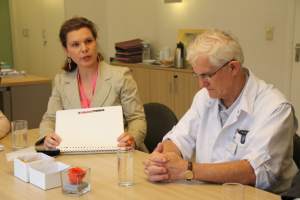
In order to fulfil its mission to provide care to all those who need it, including migrants, refugees and asylum seekers, Saint-Pierre employs 7 full-time inter-cultural mediators and can accommodate patients speaking 140 different translators. 27 social workers also assist the hospital administration to manage the necessary procedures for caring for migrants. The practitioners have identified several barriers when dealing with asylum seekers:

  • specific needs and pathologies: their background and extensive travel result in specific needs but also bring with them certain diseases that are not so common in Europe
  • more time to diagnose: when time permits and in order to reduce the costs of treatment, Saint-Pierre has adapted processes that take more time in the diagnosis, with one exam leading to another so as to ensure that each test is absolutely necessary. The hospital finds itself penalised by such practices as national regulation limits the number of days in the hospital for each patient.
  • cultural differences: these are numerous of course, but one that seems to stand out is the mistrust of certain groups of people in the general practitioners and the tendency to go directly to hospital emergency rooms rather than consult a generalist.

Next steps

With this first awareness-raising visit, the President explained “we want to show our full support to Ms Granström in her proposal to deal with the health of refugees; it is highly relevant and AER can play its role by finding out how healthcare professionals and hospitals across Europe face these challenges and share their experiences”

Some figures about Saint-Pierre:

  • 421.000 patients / year
  • 82.000 emergencies / year
  • 3.300 births / year
  • 636 beds
  • 2.500 employees
  • 40 medical services

img_2016 img_2015 img_2014 img_2013 img_2011 saint pierre university hospital

Follow AER!
Facebooktwitterlinkedinrss

Project on Life Balance of vulnerable youngsters: looking for a coordinator and partners

7 June, 2016 By Agnese Pantaloni

The AP University College in Antwerp is looking for a coordinator and partners to develop a project on Life Balance. Their aim is to develop a digital tool (mobile phone application) to self-monitor and to optimize life balance in vulnerable youngsters. The tool will be developed in close collaboration with the youngsters and other actors and implementation will be evaluated.

The idea is to design this project in the framework of the following Horizon 2020 Calls:

  • Promoting mental health and well-being in the young
  • PCP – eHealth innovation in empowering the patient

The AP University College is looking for partners having the following profile:

  • Organisations in society (focussing on asylum seekers and/or youngsters)
  • University (college) partners
  • Technological/technical organisations for the development of the instrument(s)

We invite AER members and partners to share this partner search within their regions and network. Should you be interested in joining this project or asking more information, do not hesitate to get in touch with us:

– AER Secretariat, Agnese Pantaloni

– AP University College, Daphne Kos

– Knowledge Center Social Europe, An Rommel

Please, respond before 19th June 2016.


Follow AER!
Facebooktwitterlinkedinrss

MOCHA

Who?

The MOCHA team is led by Professor Mitch Blair and Professor Michael Rigby from Imperial College London and involves 19 scientific partners from ten European countries: Cyprus, Iceland, Ireland, Italy, Netherlands, Norway, Poland, Spain, Sweden, and the United Kingdom. Teams involved are also from Australia, Switzerland and the United States, who give a global perspective to European knowledge. In addition, 30 country agents seek out information from each European Member State and EEA country to innovative research questions.

What?

MOCHA appraises the differing models of child health that are used across Europe. The aim is to help every child benefit from optimum health care, the project performs a systematic, scientific evaluation of the types of health care that exist.

The project has already identified gaps in knowledge, including lack of data on surveillance of children’s primary care and children’s specific needs in primary care, lack of coordination of care, models of care that are not based on current child health epidemiology, and low prioritisation of children’s needs in e-health strategies. The project is addressing these gaps by innovative methods. More refined and reflective subsequent questions are addressed to the country agents and MOCHA partners have started a Delphi Process to discuss outputs on the innovative measurement tool to appraise these systems.

When?

The project began in June 2015 and will continue until November 2018. The project is funded by the European Commission through the Horizon 2020 Framework under Societal Challenges – Health, demographic change and well-being. This project on ‘Developing and comparing new models for safe and efficient, prevention oriented health and care systems’ was applied within Research and Innovation action.

Why?

Children’s health is important for Europe’s future which depends on good health care services. However, these are structured differently throughout the European Union. Until now there is no research which identifies the most effective model or elements of a model, which implies that some children are likely to be receiving suboptimal care.

What is AER’s role and how to get involved?


AER is a member of the External Advisory Board for this project and set up a focus group made of country agents
, to follow the project developments closely, thus, to ensure AER members benefit from the results on key topics such as prevention, child healthcare, integrated care systems, big data, efficiency and effectiveness of primary child health care models.
You can find more information on MOCHA Project website.

Work Package 9 is now beginning which for collection of data from stakeholders in many countries regarding good practices in asthma care, sexual and reproductive health care, mental health care and vaccination. It would be a great opportunity to value your input into identifying facilitators or barriers to conduct good primary health care if you are from one of the following countries: Sweden, Italy, Poland, Germany, Cyprus, the Netherlands, Romania and Lithuania.

The project is funded by the European Commission through the Horizon 2020 Framework under the grant agreement number: 634201.

Useful links

    1. MOCHA Project – H2020
    2. List of deliverables
    3. Newsletters
    4. Latest Newsletter March 2018
    5. Video interview on MOCHA project

Events

  1. List of events including workshops and conferences

Forthcoming events

  1. European Forum for Primary Care Conference – Porto (Portugal), 24-26 September 2017
  2. International Society for Quality and Safety for Healthcare – London (UK), 1-4 October 2017

Gallery

==> Click Here <==

Our related articles

Committee 2: Best practices

Committee 2: health of refugees

Health Innovation ecosystems: Who’s in?

Integrated care: tapping into social capital

Not your usual plenary meetings

Updates on MOCHA project

Updates on MOCHA by Newsletter June 2017

Contacts

Johanna Pacevicius – Policy & Knowledge Transfer, AER

Christine Chow – MOCHA Project Manager, Imperial College London

Dr. Denise Alexander – MOCHA Research Coordinator, Imperial College London

AER Youth Regional Network (YRN)

YRN PROMOTIONAL FLYER

Created by the Assembly of European Regions in 2008, the Youth Regional Network (YRN) is a cross-regional youth platform, promoting active youth participation at regional level. Composed of youth regional / county councils, youth organisations, and of young people joining on an individual basis, in AER’s network and membership, the YRN provides young people with opportunities to express policy recommendations, to foster debate and capacity-building, to exchange good practices, to reach out to decision-makers and to influence policies. The YRN is a unique forum for young people from diverse regions to raise their voice collectively, while introducing a European dimension to youth policy in those regions.

Activities include: capacity-building, debates, workshops, policy work, elaboration of toolkits and statements, exchange of best practices, international events… all with the goal of making youth voices heard in regional and European policy-making, and in providing young people from all over Europe with a platform to meet, exchange views and learn from one another.

JOIN THE YRN – FILL IN THE MEMBERSHIP FORM HERE

YRN ACTION PLAN
YRN ACTIVITY REPORT

The YRN Presidium – A youth-led steering committee for the YRN

The YRN is youth-led, meaning that they develop their own policy recommendations, Thematic Committees (TCs) and capacity-building activities, and that YRN members (aged between 16 and 30 years old) directly elect their own Presidium, equivalent to a Steering Committee. The election of the YRN Presidium takes place as part of the YRN General Assembly. The current elected YRN Presidium is composed of the following members:

  • President: Norbert Nagy (Sălaj, RO) – [email protected]
  • 1st Vice-President: Jack McLaughlin (Donegal, IE) – [email protected]
  • 2nd Vice-President: Odin Rønning (Nordland, NO) – [email protected]
  • Chair of the TC on Youth Participation & Governance: Peter Mc Nelis (Donegal, IE) – [email protected]
  • Chair of the TC on Mental Health & Wellbeing: Irgesa Sadiku (Dibra, AL) – [email protected]
  • Chair of the TC on Gender Equality & Women Empowerment: Griselda Rexhmati (Tirana, AL) – [email protected]
  • Chair of the TC on Green & Sustainable Europe: Florian Wunsch (Vienna, AT) – [email protected]

Contact the YRN!

You can contact the YRN Presidium at the emails indicated above, or at [email protected].

To reach out the the YRN Contact Person at the AER Secretariat, you can write to AER Programmes Coordinator, Jeanne Demonque, [email protected].

The YRN Revival Process after the COVID-19 pandemic

After two years of inactivity due to the COVID-19 pandemic, the YRN was revived, building from the momentum given by the youth delegates at the Summer Academy 2022, in Donegal (IE). After successfully sparking interest among young people in AER member regions (and beyond!), the new YRN was officially revived in March 2023!

YRN General Assembly 2023
YRN General Assembly 2024
YRN General Assembly 2025

YRN Statutes
YRN Rules of Procedure

Pick an important problem and fix it!

23 October, 2014 By Johanna Pacevicius

Independent living is not an easy topic, especially with shrinking budgets and growing needs. E-health is obviously part of the solution but as Marta Tatar, County Councillor of Covasna (RO) mentioned “to create integrated care systems we need integrated communities”, and that was what made it so special to be in Donegal (IE) last month: the region, which earlier this year won the AER Most Youth-Friendly Region Special Prize for their Youth Council’s initiative to raise awareness on mental health, excels at making the quadruple helix work! 

The 120 delegates who gathered in Letterkenny from 20 to 23 October had the opportunity to hear and see how the region supports independent living from an early age by empowering all citizens young and old and also shared their own experience on the implementation of integrated care systems.Follow AER!

Facebooktwitterlinkedinrss

Working Groups

Working groups are one of the bottom-up modalities for sustained peer learning.

AER working groups can be initiated by any region, as long as the objective is in line with the AER values. They have the following aims:

  • Facilitate mutual learning for regional policy innovation
  • Provide a space for genuine exchange between policymakers
  • Create shared knowledge on specific policies & practices
  • Enable the transfer of knowledge between regions
  • Promote exchanges between EU and regional experts on innovation, regulatory changes, and societal challenges
  • Support interregional cooperation
  • Are a gateway to develop joint initiatives, such as the development of an EU-funded project or the setting up of an advocacy action

Working groups as of July 2025

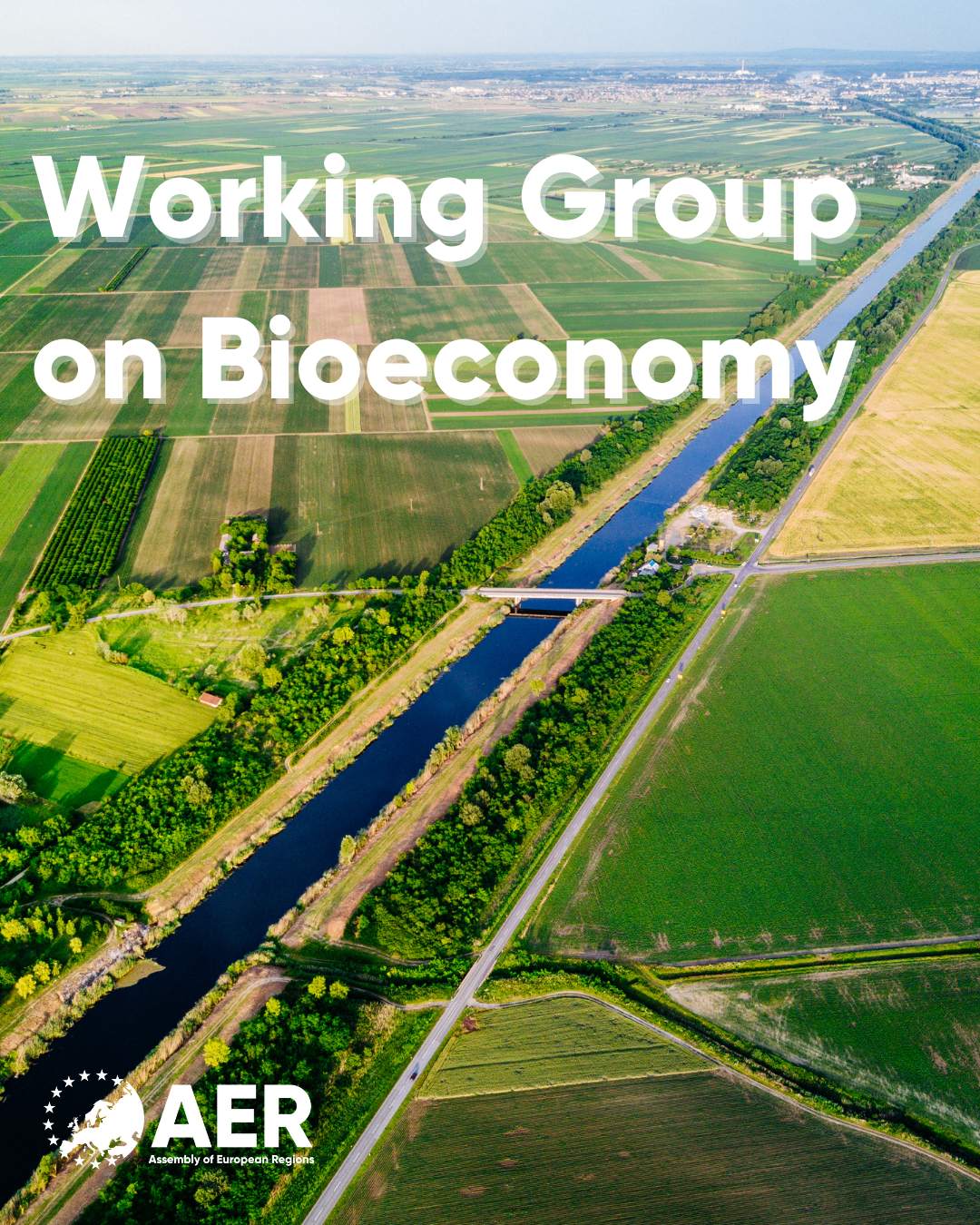
Discover more on the WG on Bioeconomy
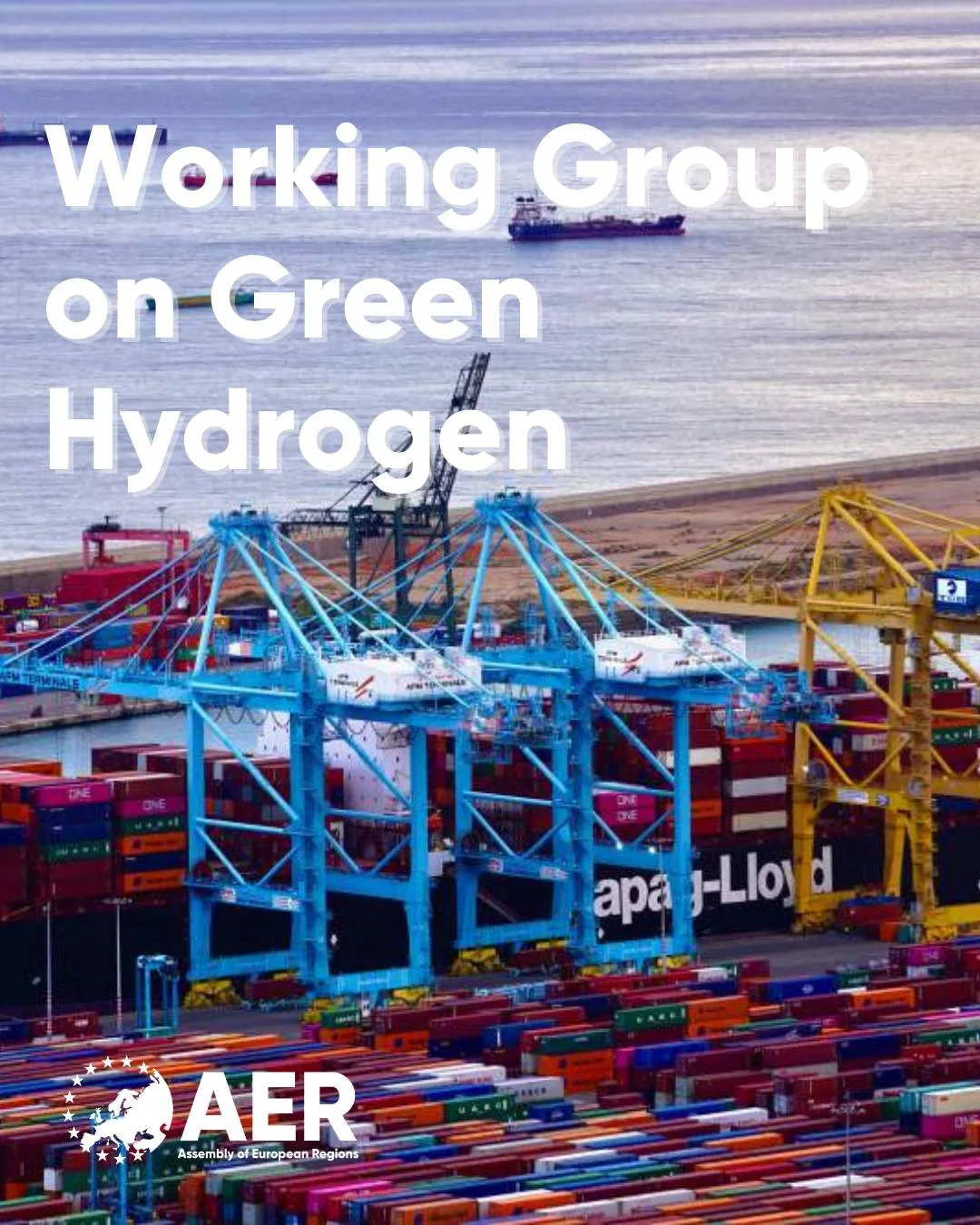
Discover more on the WG on Green Hydrogen
Discover more on the WG on Mental Health

Way of working

As per the AER Statute

  • The Working Groups are the thematic bodies in AER for exchange and dissemination of best
    practice
  • The Working Groups are responsible for:
  1. Promoting networking and knowledge exchange between AER members on specific issues related to regional development
  2. Identifying and disseminating good practices
  • The Working Groups may prepare, decide and implement initiatives in the framework of their
    assignments. Whenever relevant and within their budgetary limits, they may
  1. Organise events
  2. Prepare publications
  3. Initiate studies and reports
  4. Represent the AER Network at external meetings and events

Setting up a working group: responsabilities

• The Executive Board establishes or dissolves the Working Groups
• Proposals for setting up a Working Group can be submitted by any member
• The Working Groups are open to all members of AER
• Each Working Group is chaired by a Chair, appointed by the Working Group
• The Chair is responsible for the leadership of the Working Group and liaising with the Vice-
President in charge of the Working Group policy area

Process to set up a working group

The following process for setting up a working group is pandemic-resilient and agile. It aims to encourage interregional collaboration and the development of initiatives on topics of shared interest, thus promoting networking and knowledge exchange.

  1. Any AER member can submit a proposal for setting up a Working Group

An AER member wishing to set up a Working Group should find at least three supporting regions, which will contribute to shaping the activities, participate and contribute. Either the leading region is already in contact with other regions which expressed interest, or the AER Secretariat can help to contact regions that may be interested.

  1. The proposal is submitted to the Executive Board

The region, which would like to set up a working group should develop a draft proposal for the focus of the Working Group and list a few potential activities to be presented to the EB together with supporting regions. The Draft Proposal for setting up the new Working Group, should:

  • Mention the topic of the Working Group
  • Clarify the focus of the exchange and dissemination of best practices
  • Indicate the lead region and the supporting regions
  • Propose a few activities which they would like to implement within the first two-years mandate
  • Define an objective for the work of the Working Group (what will the activities help to achieve?)
  1. The Executive Board establishes the creation of the new Working Group

The EB assesses the proposal submitted in the Draft Proposal for setting up the new Working Group at the EB meeting, based on adequacy with AER values.

  1. The Working Groups are open to all members of the AER

Once the proposal for setting up a new Working Group has been approved by the EB, regions are informed via the AER website about:

  • the creation of the working group
  • the proposed focus
  • the objectives
  • lead and supporting regions
  • envisioned activities
  • how to join the working group
  • date of the first working group meeting

A first meeting is organised either in person or online, for members of the Working Group to

  • get to know each other
  • learn about their respective activities on the topic
  • hear about interests
  • agree on joint activities, as well as on the implementation details and responsibilities
  • appoint a Chair
  1. Responsibilities

The Chair is responsible for the leadership of the Working Group and liaising with the Vice- President in charge of the Working Group policy area. The Chair will take the responsibility for the planning of the Working Group’s activities

Each Working Group Chair’s region is charged to appoint a Seconded officer to act as working
group secretariat in liaison with the AER secretariat. The Seconded officer is responsible
for:

  • Co-organising events and projects in collaboration with the AER Secretariat
  • Managing the content of the meetings
  • Drafting speeches and policy contributions

Statute and Procedures

Articles 2, 6, 8, of the AER Statute and article 11 of the AER Procedures provide information on the role, remit and rules governing the AER Working Groups.

Contact

AER Coordinator for Policy & Knowledge Transfer

Johanna Pacevicius

Mobile: +33 6 24 29 19 37 E-mail: j.pacevicius(at)aer.eu Languages: fr, nl, en, pt Articles by Johanna
  • Thematic Coordination
  • Committees
  • Mutual Learning

Print Friendly, PDF & Email

Highlights of the AER 40th Anniversary & General Assembly 2025 | Maribor Innovation Forum

Highlights of the AER 40th Anniversary & General Assembly 2025 | Maribor Innovation Forum

From 17 to 19 June, more than 150 representatives of European regions gathered in Maribor, Eastern Slovenia, to celebrate the ...
Read More
A Green Pioneer: How Eastern Slovenia Leads in Bioeconomy Innovations

A Green Pioneer: How Eastern Slovenia Leads in Bioeconomy Innovations

On the occasion of the AER General Assembly in Maribor and the Maribor Innovation Forum, AER members will have the ...
Read More
Interview with Daniel Schützer, Chair of the AER Working Group on Mental Health

Interview with Daniel Schützer, Chair of the AER Working Group on Mental Health

The Chair of the AER Working Group on Mental Health Daniel Schützer from Region Värmland (SE), shares his motivation for ...
Read More
Hydrogen: Fostering Regional Collaboration and Learning

Hydrogen: Fostering Regional Collaboration and Learning

On 27th November 2024, the AER Working Group on Green Hydrogen hosted a webinar on Green Hydrogen Ecosystems featuring regional ...
Read More
Highlights of the AER Autumn Bureau & Working Group meetings |  Insights of the CL-YE study visit in Brussels

Highlights of the AER Autumn Bureau & Working Group meetings | Insights of the CL-YE study visit in Brussels

The AER Autumn Bureau and Working group meetings in Brussels on 3 and 4 December wrapped up a year of ...
Read More
The Role of Regions in Europe's Green Hydrogen Transition

The Role of Regions in Europe’s Green Hydrogen Transition

Green Hydrogen ecosystems integrate the production, storage, and use of hydrogen from renewable sources. They play a significant role in ...
Read More
AER Vice President to speak at Rijeka conference on youth mental health

AER Vice President to speak at Rijeka conference on youth mental health

Johannes Sundelin, AER Vice President for Sustainability, Green Transition and Health will open the Conference "Mental Health Challenges in Today’s ...
Read More
Systemic solutions for a circular bioeconomy

Systemic solutions for a circular bioeconomy

In 2022, the Podravje region in Slovenia joined the Circular Cities and Regions Initiative and was selected as one of ...
Read More
Interview with Nataša Ritonija, Chair of the AER Working Group on the Bioeconomy

Interview with Nataša Ritonija, Chair of the AER Working Group on the Bioeconomy

The newly nominated Chair of the AER Working Group on the Bioeconomy, Nataša Ritonija, from East Slovenia (SI), shares her ...
Read More
Share your experience on Youth Mental Health in Rijeka!

Share your experience on Youth Mental Health in Rijeka!

In the context of the AER Working Group on Mental Health, Primorje-Gorski Kotar County is inviting all AER members to ...
Read More
  • « Previous Page
  • 1
  • …
  • 5
  • 6
  • 7
  • 8
  • 9
  • …
  • 15
  • Next Page »
  • Facebook
  • Instagram
  • LinkedIn
  • Twitter
  • YouTube

AER Projects

  • Ongoing projects
    • EU-BELONG: An Intercultural Approach to Migrant Integration in Europe’s Regions
    • MEET: Mobilise Europe = Engage Together
    • CL-YE | Climbing the Ladder: Fostering a Culture of Youth Engagement
  • Partner search

Library

Statutory Documents
AER Strategies
Minutes
Media Kit
Activity Reports
Newsletters
European Regions Map

Join AER!

Become a Member

Job Opportunities

Sign up for our Newsletter

Website map

Brussels · Strasbourg · Alba Iulia

A Network, a Partner and a Voice of European regions, since 1985 · Copyright © 2025 · Assembly of European Regions · [email protected] · Log in