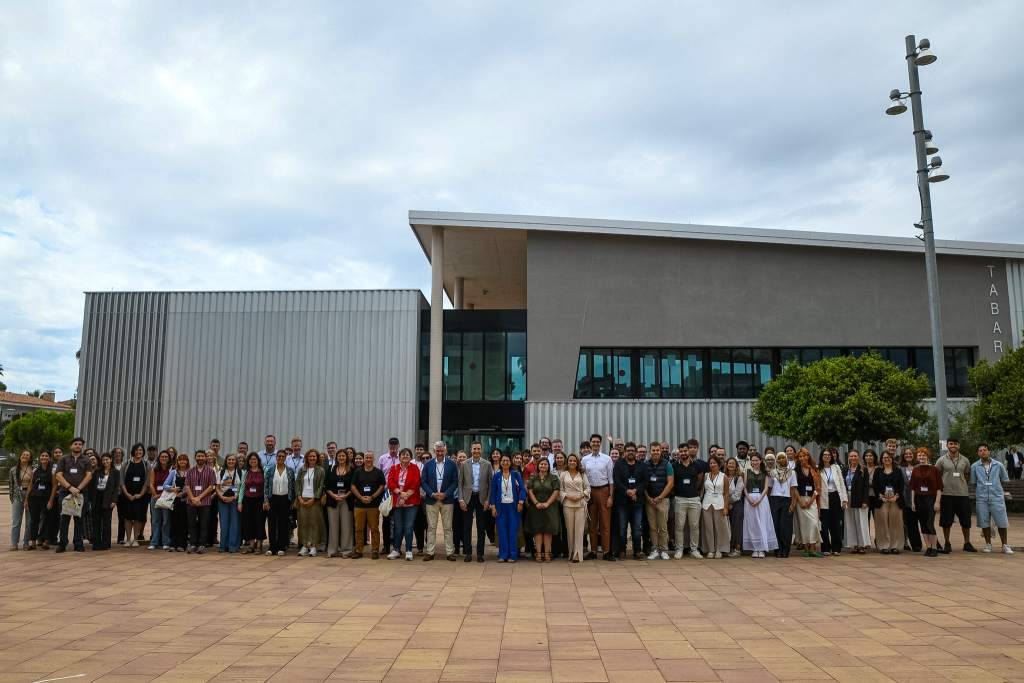


The AER Summer Academy 2026 took place from September 16 to September 19 in Coma-Ruga, Catalonia, and explored the European and regional dimensions of intergenerational fairness, linking an international debate to the concrete experiences of regional leaders and communities.
Hosted by the Government of Catalonia through the Catalan Youth Agency, the AER Summer Academy 2026 provided a space to compare regional solutions across Europe to engage with a common question: how can today’s decisions meet current needs without compromising the opportunities of future generations?
From Global Strategy to Regional Action
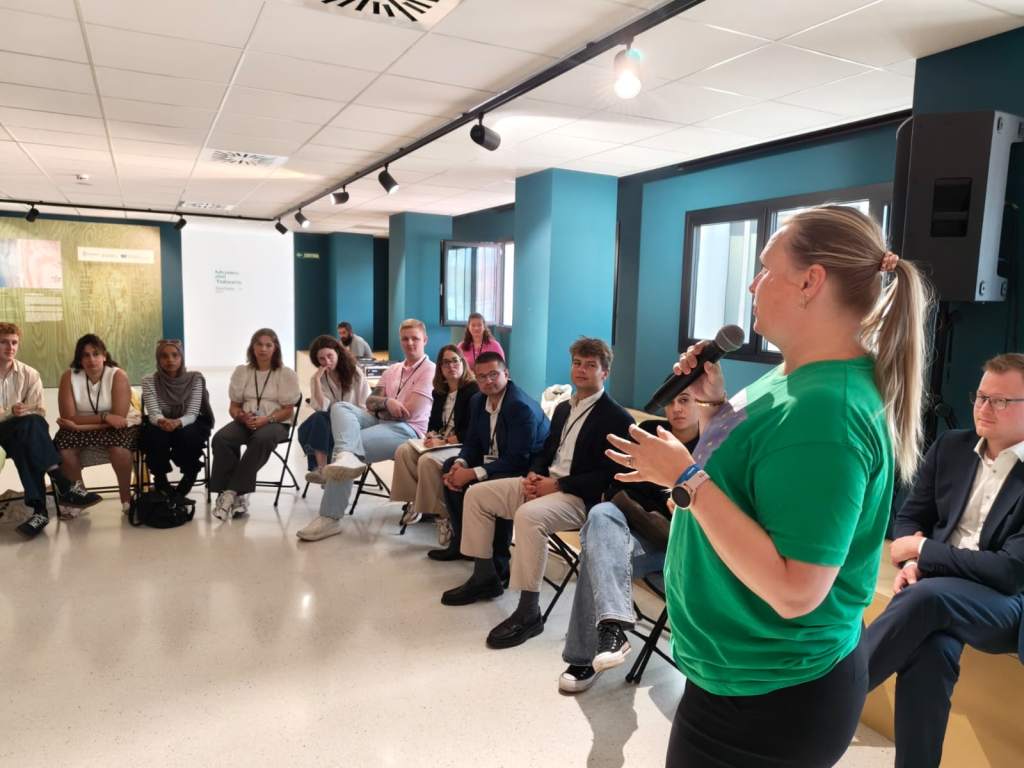
The opening roundtable, moderated by AER Secretary General Vania Freitas, brought together voices from the regional and European levels, blending youth, political and civil society perspectives. It brought together Teresa Llorens Carbonell, Secretary General for Life Stages and Citizenship of the Government of Catalonia; Aida Karimli, AER Vice President and Regional Councillor of Västra Götaland; Mathieu Mori, Secretary General of the Congress of Local and Regional Authorities of the Council of Europe; Fauzaya Talhaoui, Member of the European Committee of the Regions and President of the Council of the Province of Antwerp; Boris Miletić, President of the Region of Istria; and Hannah Schmid, Co-Vice President of the Zürich Youth Parliament.
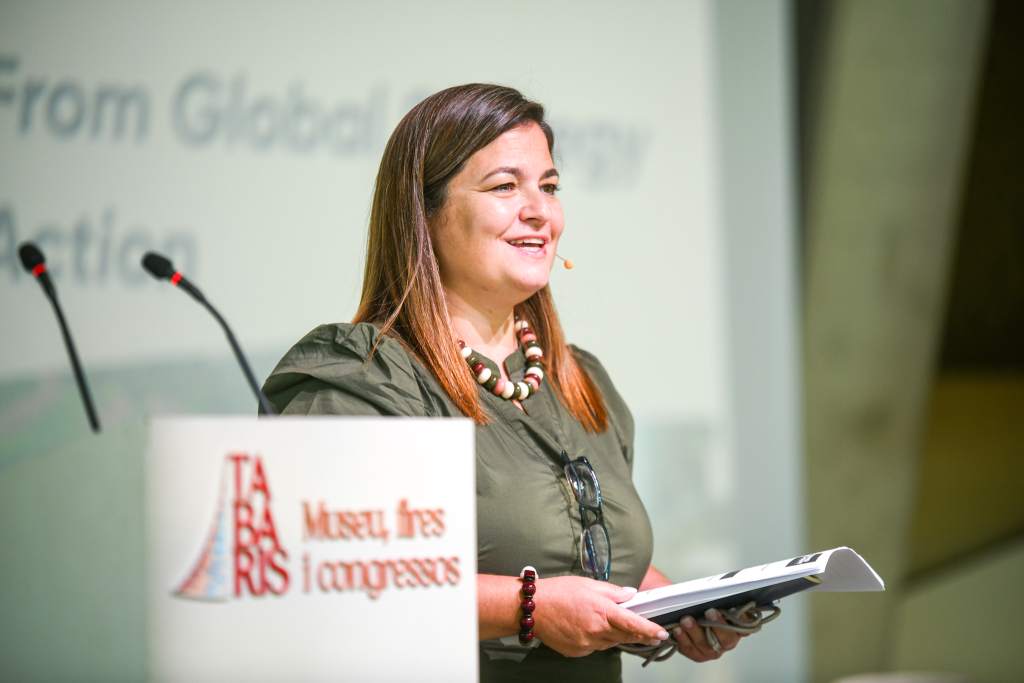
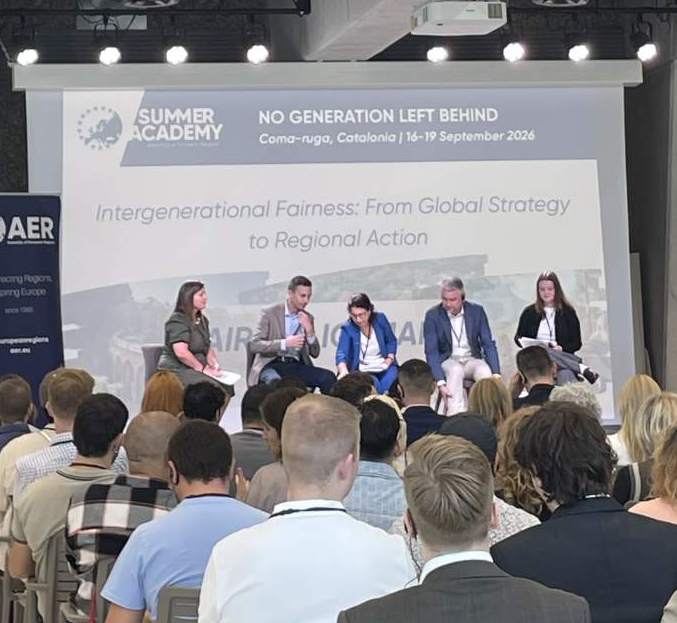
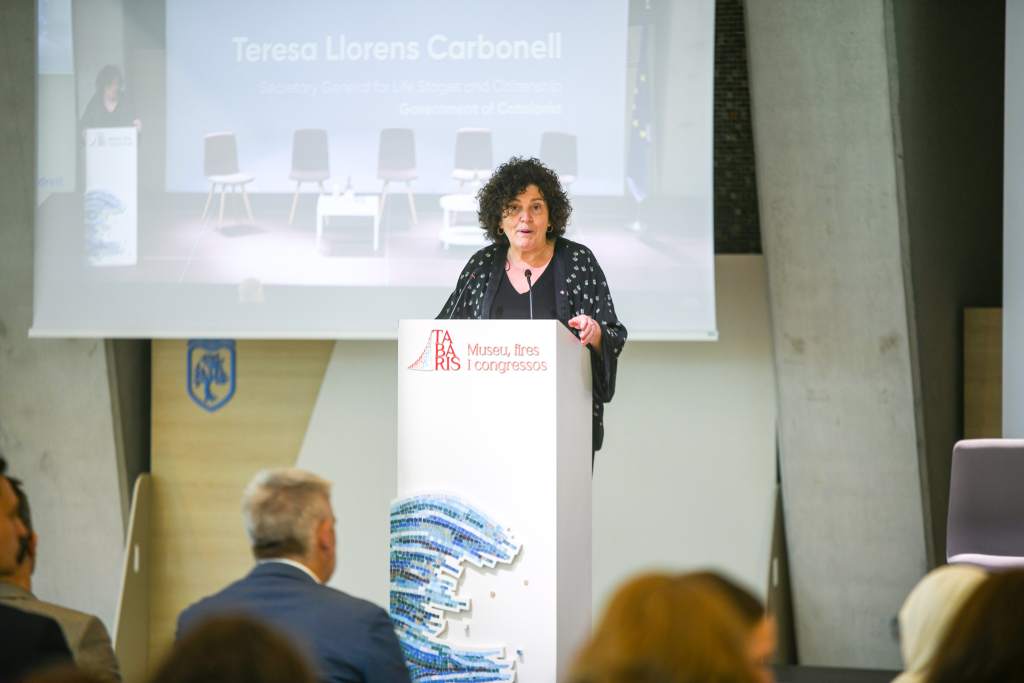
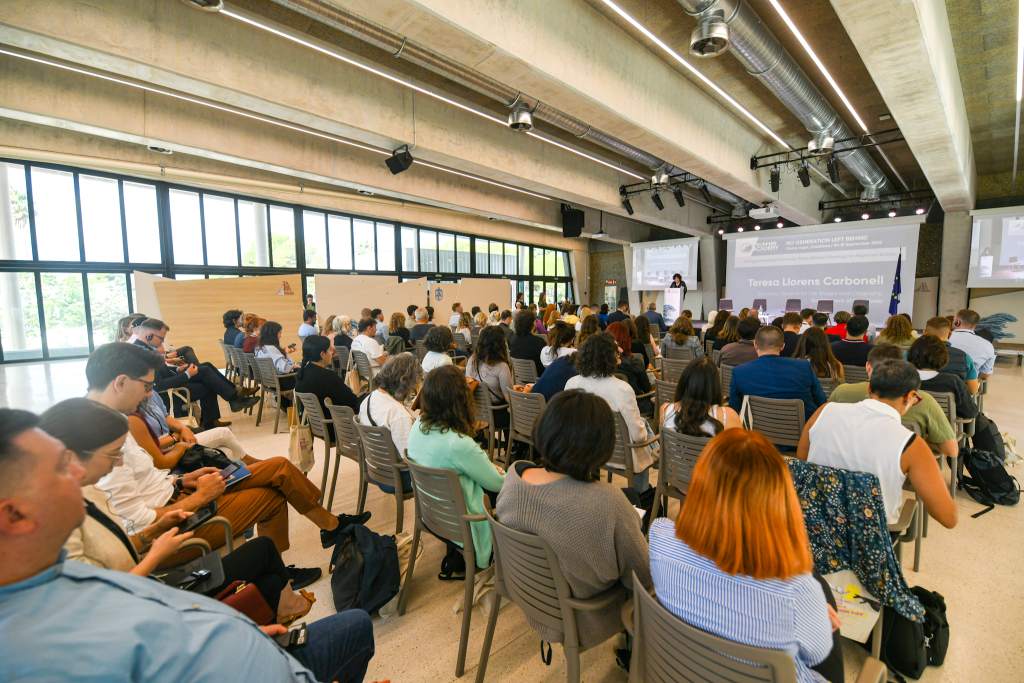
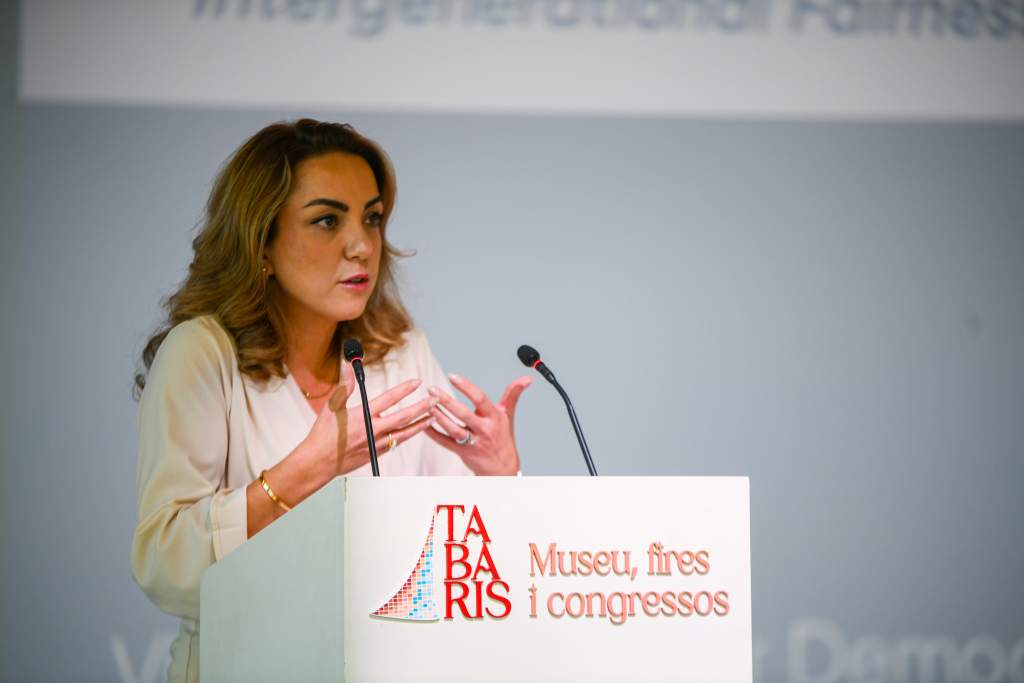
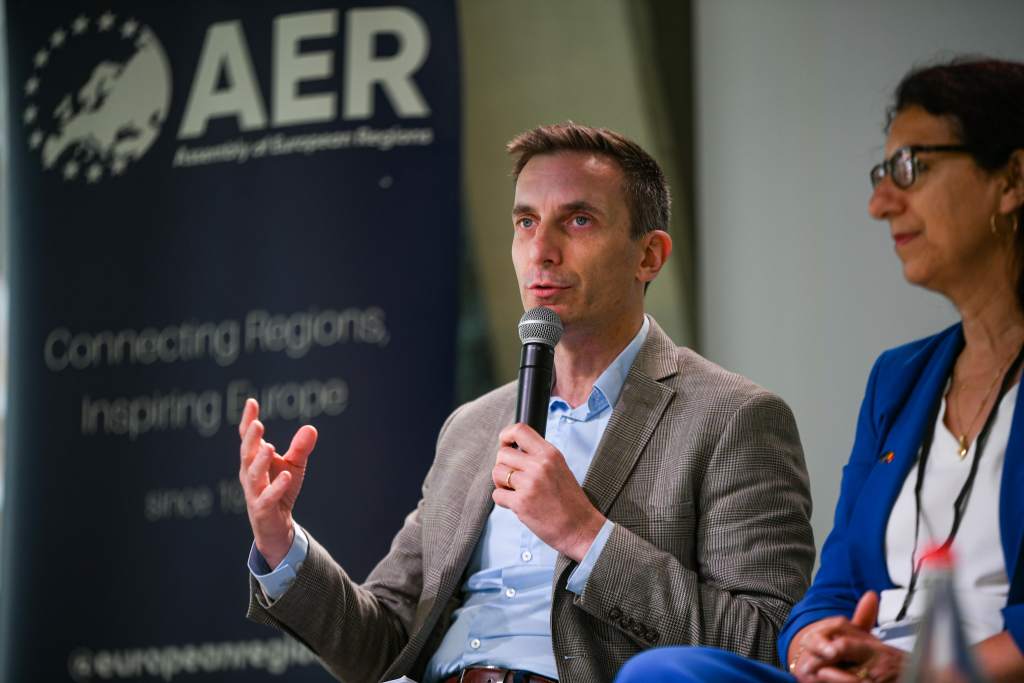
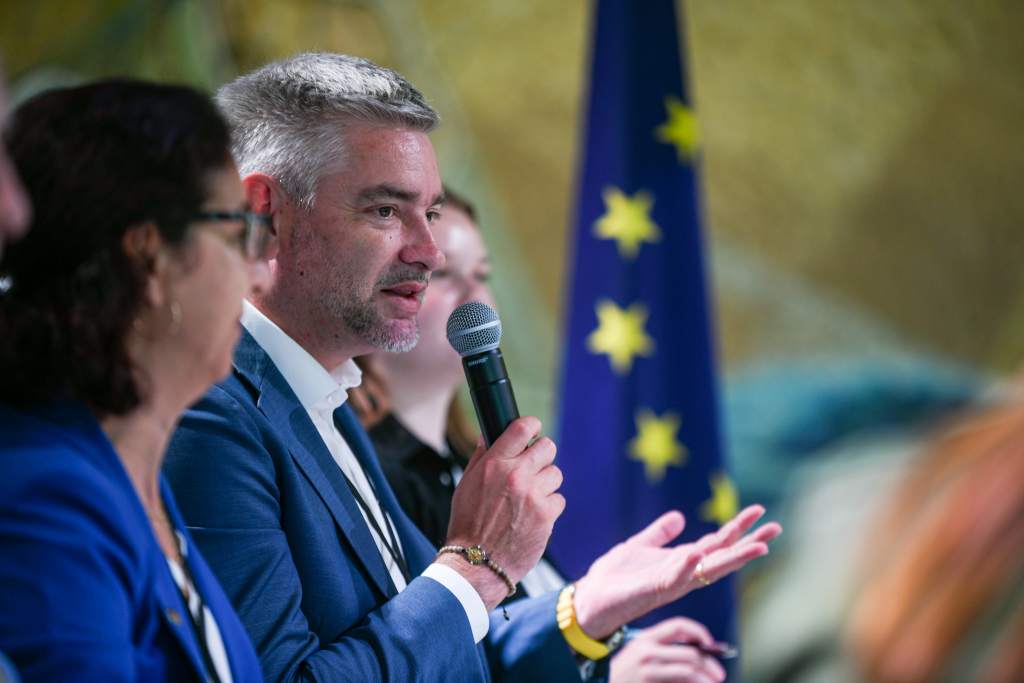
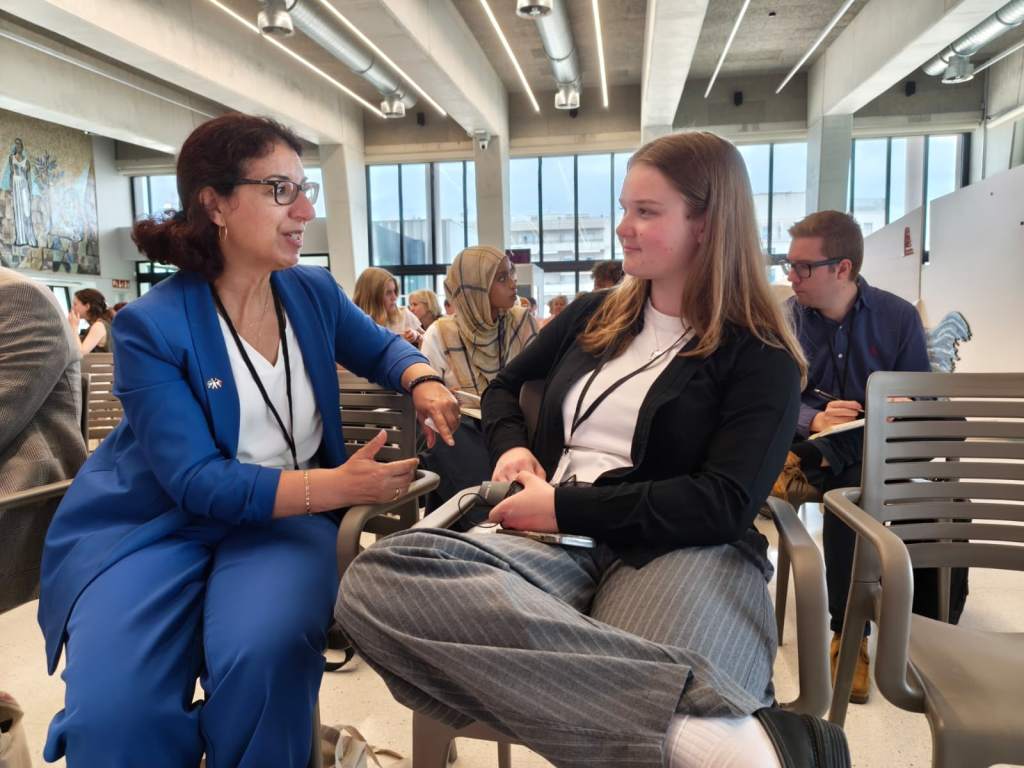
The speakers explored intergenerational fairness through three key dimensions: fair policymaking, fair chances and fair places, bringing different perspectives on how decisions made today can better account for the needs and opportunities of both current and future generations. Bringing different regions around the same table created an opportunity to compare approaches, identify shared challenges and learn from solutions already being tested elsewhere in Europe.
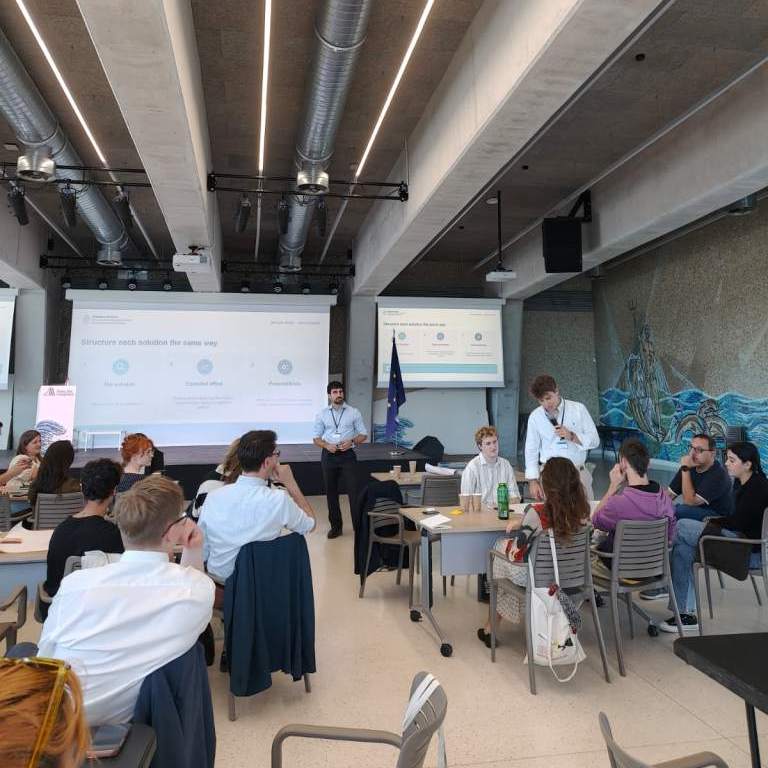
The exchange continued throughout the Summer Academy through the workshops by the regions leading the programme of the Summer Academy: Catalonia (Spain), Nordland (Norway), Údarás na Gaeltachta and its youth agency Muinteras (Ireland), Vojvodina (Serbia) and Zürich (Switzerland). Regions and youth organisations shared experiences on issues including rurality and youth retention, inclusive leisure, political participation, linguistic diversity in the age of AI, democratic inclusion through art, and creating spaces for young people in peripheral territories.
Connecting Generations and Regions
Many of the challenges regions face, from demographic ageing and youth outmigration to youth political participation and the digital transition, cross borders. Yet the knowledge developed to respond to them can remain surprisingly local.
This is where the Summer Academy 2026 made a difference for regions: it created a space to connect with communities and leaders facing similar issues.
Fair places: rethinking who gets left behind by geography
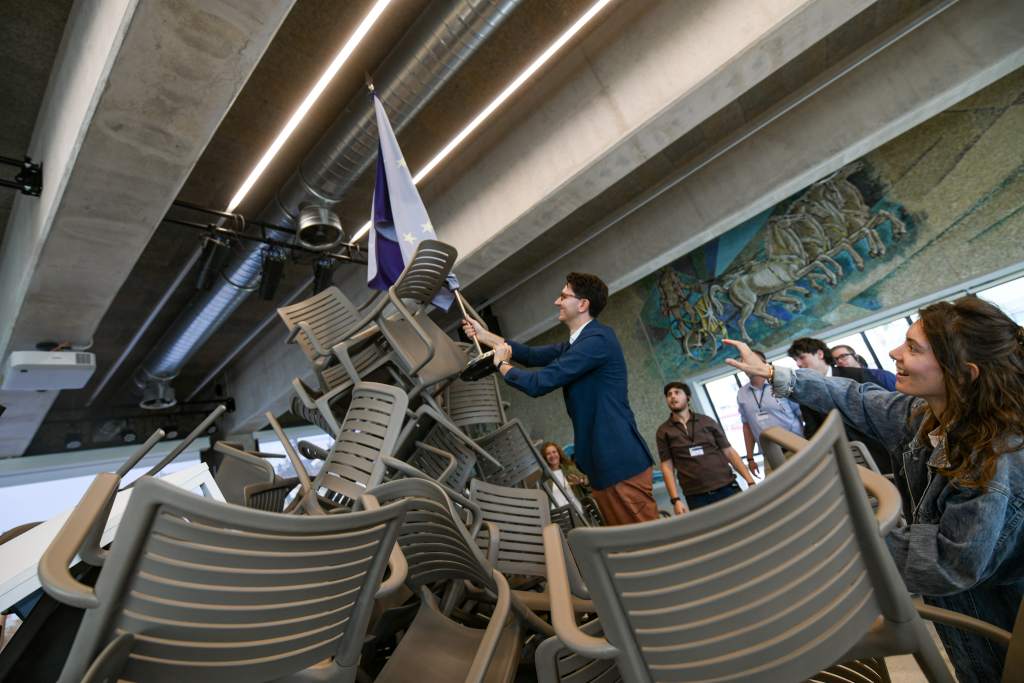
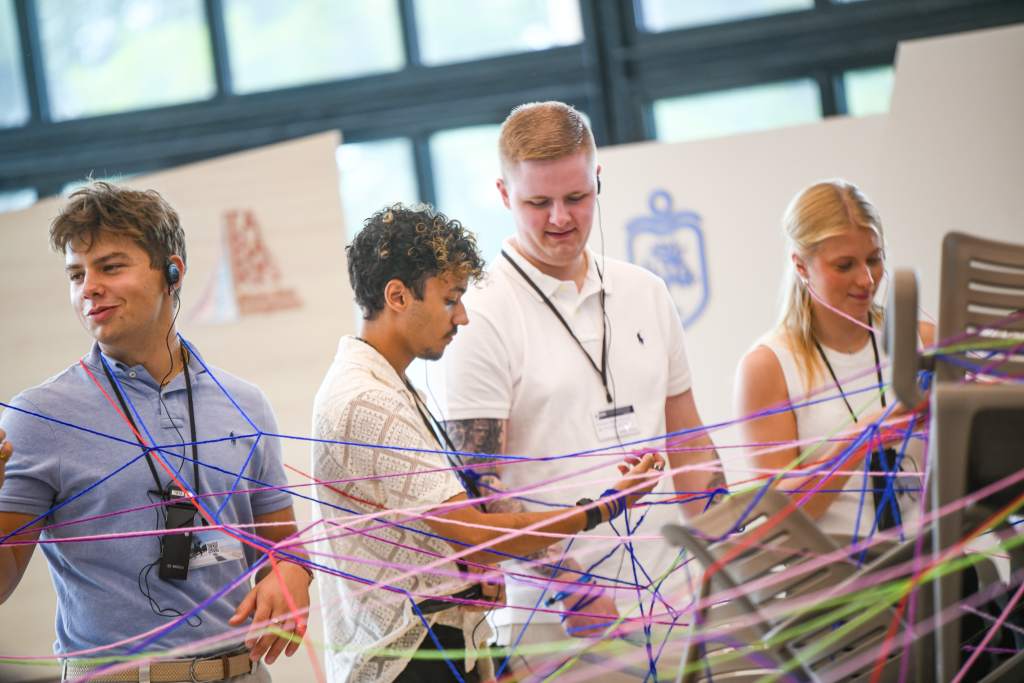
Catalonia’s Rurality & Intergenerationality in Policy-Making, led by the Catalan Youth Agency, examined how living in rural areas shapes the opportunities available to people, making the case that fair policy must account for where someone lives as much as who they are.
This spatial dimension carried through to Youth Space, Youth Voice in Peripheral Regions, where Muintearas and Údarás na Gaeltachta (Ireland) drew on the Aran Islands to show how dedicated youth spaces can anchor young people in remote, linguistically distinct communities rather than pushing them toward the centre.
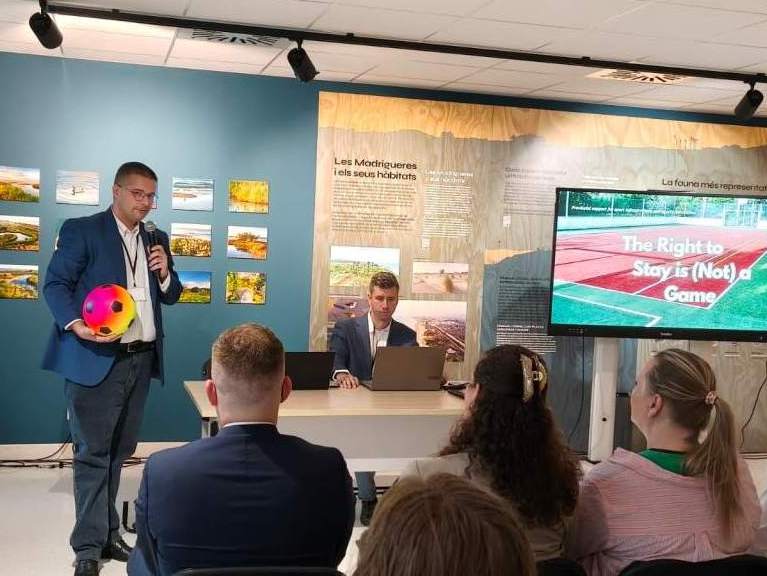
The Autonomous Province of Vojvodina (Serbia) made the case tangible in The Right to Stay is (not) a Game, showing how investment in rural sports facilities can be a concrete way of giving young people a reason and the means to build their futures closer to home, rather than migrating toward opportunity.
Fair voices: who gets heard, and by whom
The Canton of Zürich‘s Bridging the Age Gap in Democracy confronted the imbalance head-on, unpacking why older generations tend to wield disproportionate influence at the ballot box and proposing concrete actions governments could take to give younger and future generations a genuine voice in policymaking today.
Nordland County (Norway) offered a different route to voice in Democracy & Art: Building Inclusion for Next Generations with Open Art, showing how artistic expression can be a channel for participation and belonging — particularly for future generations of people with disabilities who are too often spoken for rather than heard.
Fair opportunities: access, technology and everyday life
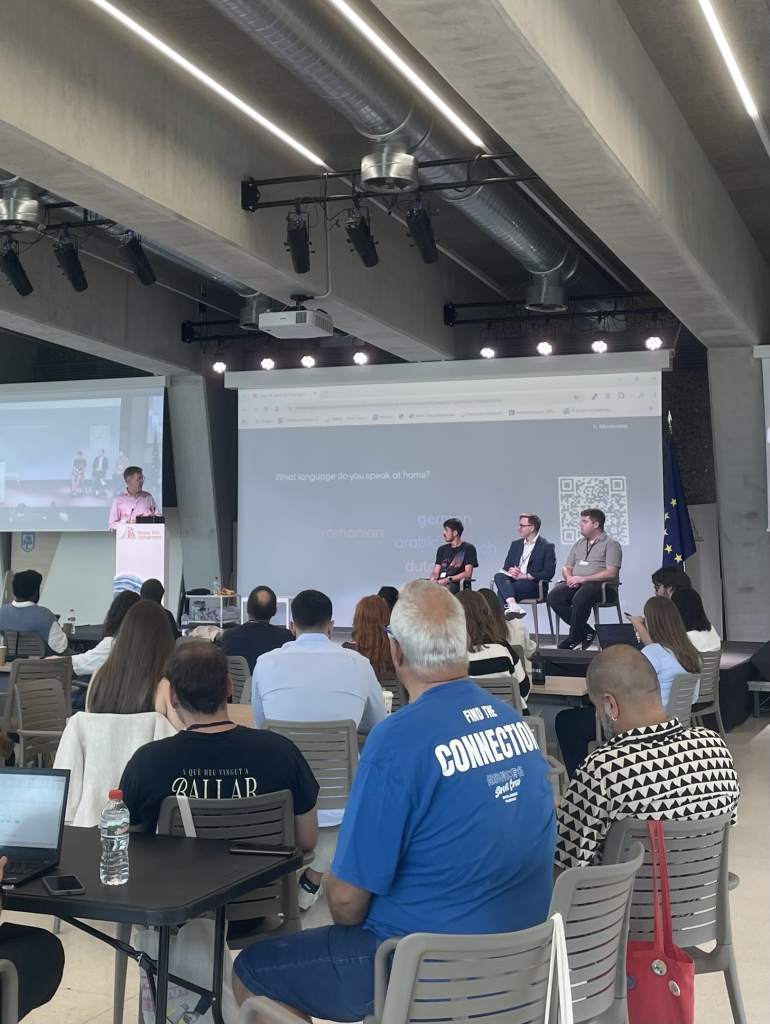
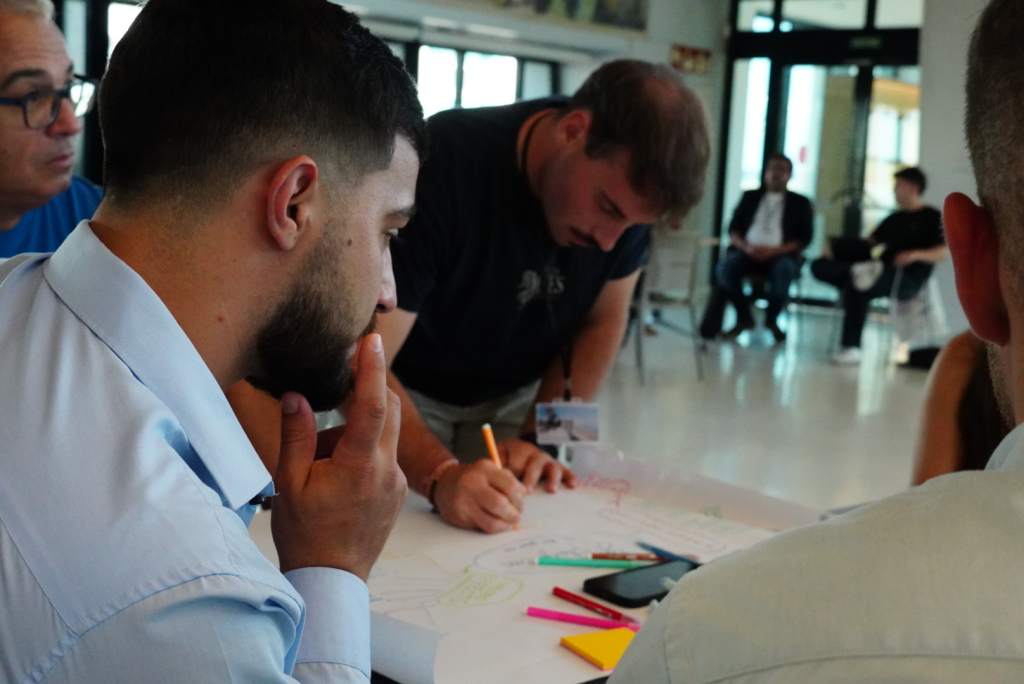
Inclusion also plays out in daily life, as Esplai Zig Zag and the Trèvol Association (Catalonia) explored in Inclusion and Leisure: making sure all children and young people, regardless of ability or background, can participate in and connect with their communities through leisure.
Looking ahead, Údarás na Gaeltachta (Ireland), together with Nordland and the Basque Country, asked Does AI speak my language? — examining what the rise of artificial intelligence means for Europe’s lesser-used and regional languages, and what regions can do now to ensure that opportunity in the digital future isn’t reserved for the linguistically dominant.
Intergenerational politics as practiced by the Youth Regional Network (YRN)
Taking place after the YRN General Assembly in Timis in June 2026, the YRN Café gave young people a space to connect and exchange ideas on how to practice intergenerational actions at European level. It was led by Florian Wunsch, YRN President, and Kenny Dos Santos, member of the YRN Presidium.
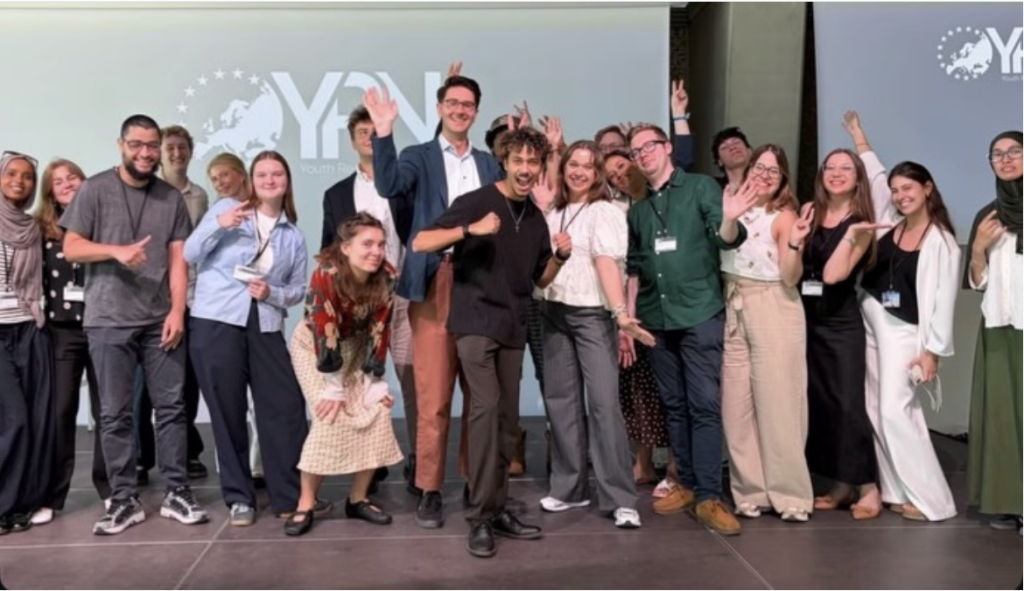
And the conversations did not stop there
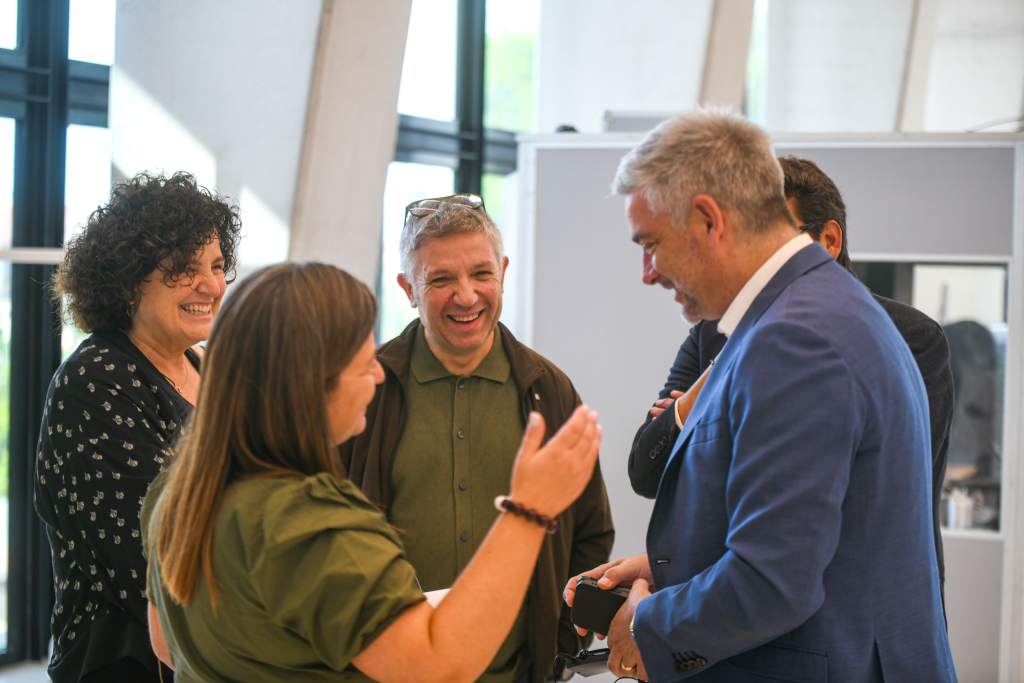
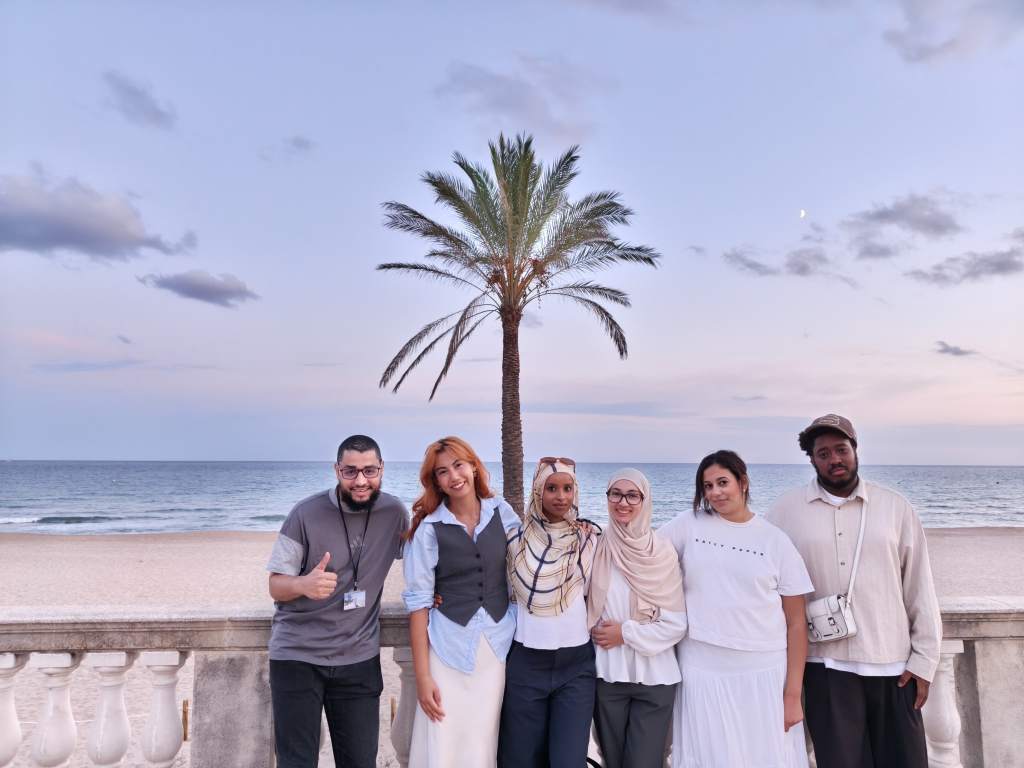
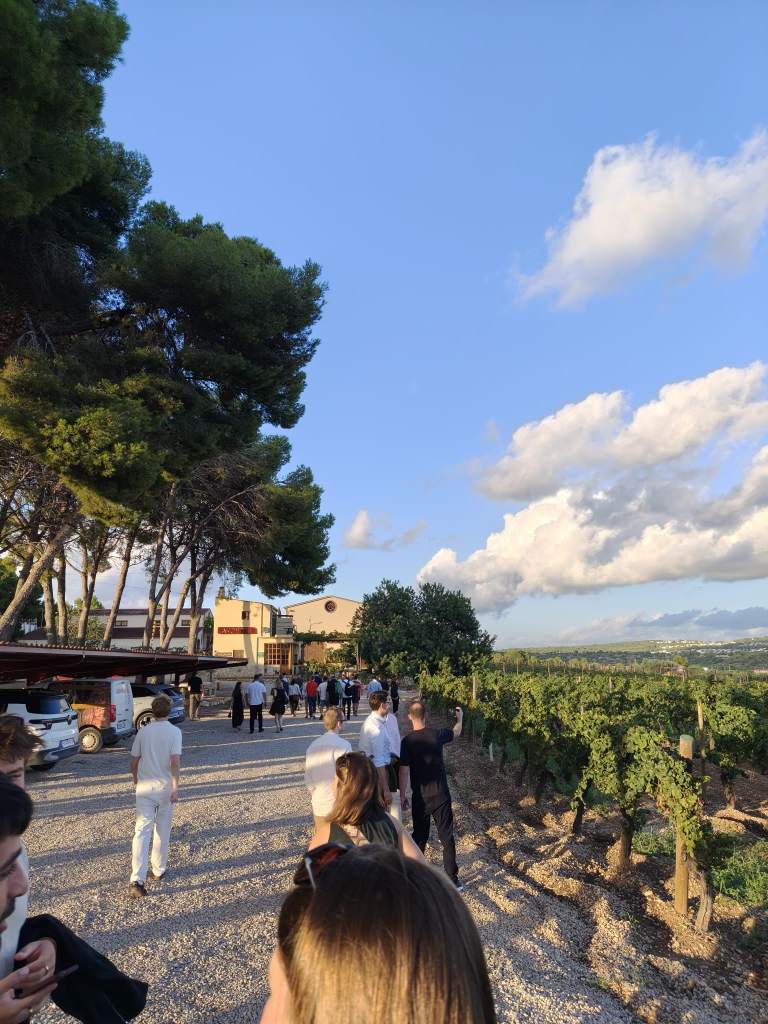
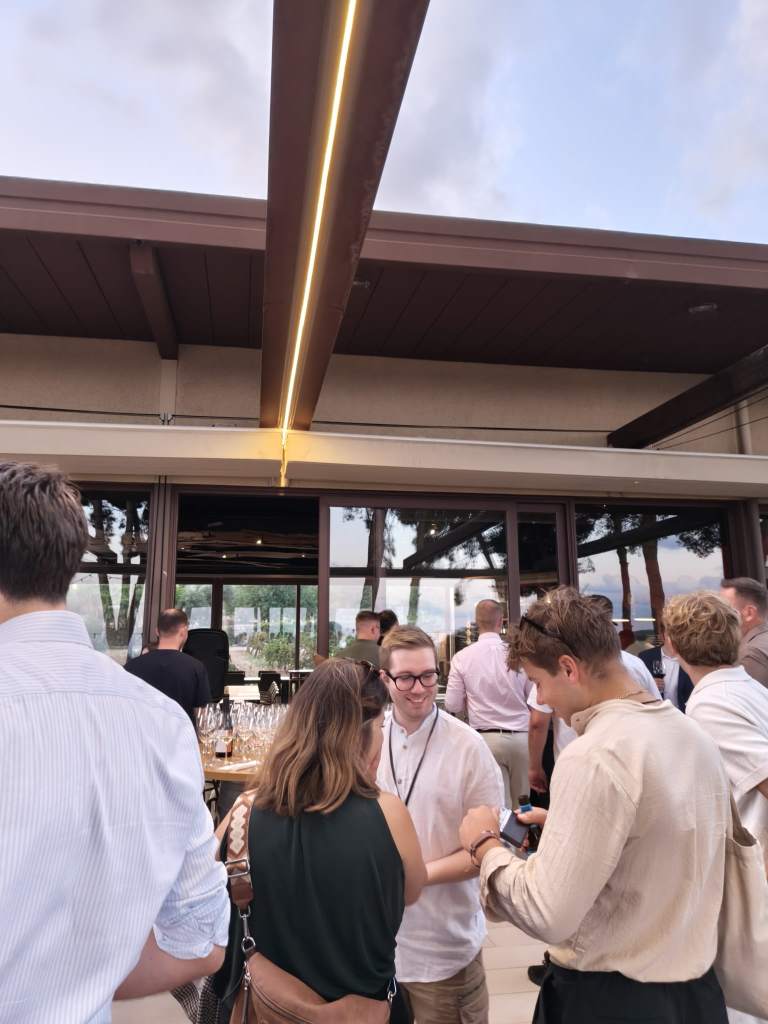
Participants also got a taste of Coma-ruga and El Vendrell, from the legacy of Pau Casals and local heritage to Catalan traditions, including a tasting of wines and vinegars from the region. Because getting to know a region also means experiencing its culture, flavours and traditions beyond the conference room.
The Outcome: Regions Do Not Need to Find the Answers Alone
This is where regions can make a difference: by connecting with others facing similar questions. The Summer Academy created that space. It gave regions the place to ask those questions, share what they know, learn from what others are already doing and build connections across Europe. A practice from Nordland might spark an idea elsewhere; a challenge from Vojvodina might sound surprisingly familiar to another region; and a conversation started in Coma-ruga might be the beginning of future cooperation.
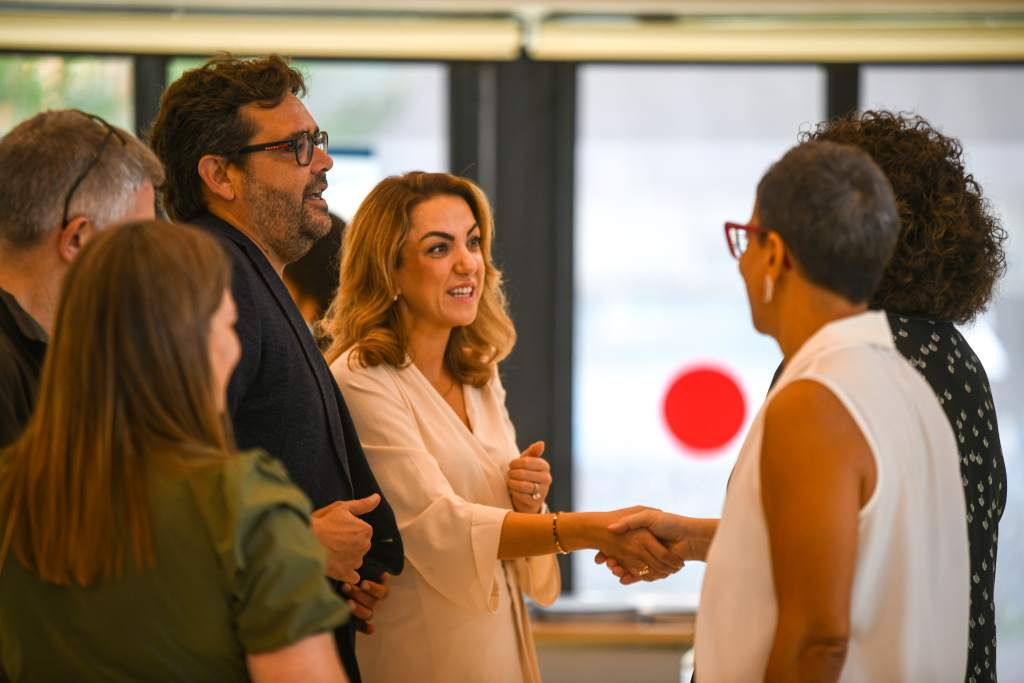
Because if intergenerational fairness is about the Europe we leave to the next generations, regions are not simply where its consequences will be felt. They are also where many of the solutions will have to begin.


