

While many regions and institutions aim to involve young people in decision-making, ensuring that youth participation reaches people from different social and economic backgrounds can remain a challenge. How can actors move beyond the “usual suspects” in youth participation and create structures that genuinely engage a broader range of young people, where different voices, perspectives, and forms of participation are truly valued?
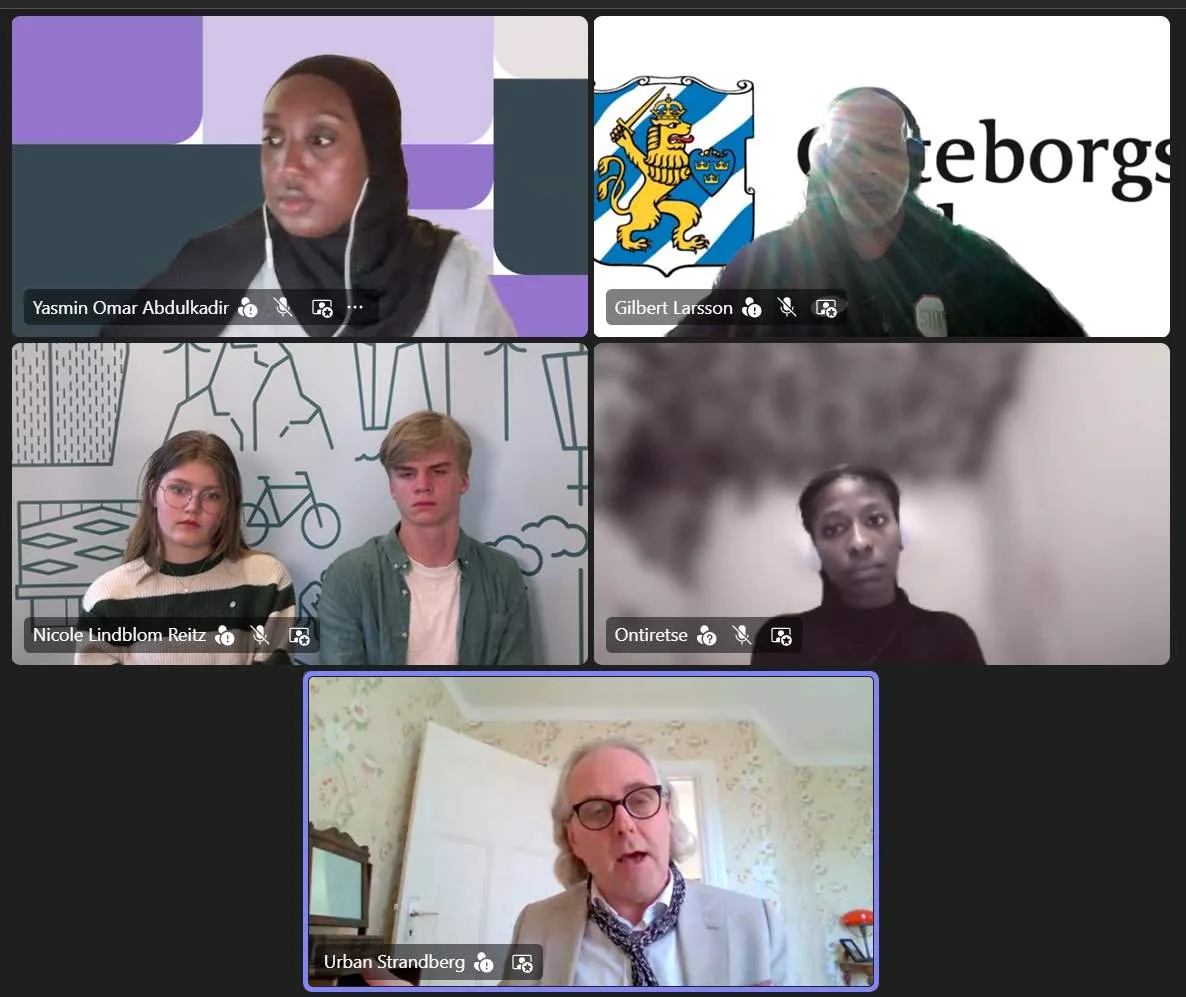
To explore this issue, the Youth Regional Network (YRN), together with the region of Västra Götaland (Sweden), organised the webinar “Genuine Youth Participation” on 27 April. The event brought a wide range of voices; from grassroots youth work in some of Gothenburg’s most socioeconomically challenged neighbourhoods, to institutional youth democracy, and a global perspective on democracy innovation. The discussion started with three main key learnings:
Meaningful progress can begin in everyday actions
Sometimes, change starts with a handful of teenagers building a makeshift skate ramp from salvaged wood. That is not a metaphor; but the story of a group of young people in northeastern Gothenburg who created a community skate park that is still standing 15 years later. This case illustrates how youth workers who listen and act on what young people are already doing, can help create lasting community assets.
Participation begins with being heard
The International Youth Think Tank’s “Open Chair Democracy Talks”, provided a key example on how to make participation more accessible. The initiative, which now has been run in over 60 locations worldwide, takes a different approach: engaging with young people in public spaces and inviting them to four simple (yet powerful) questions. This inspires participants to express their ideas and feel like they have an impact in the community and the world. The insight: being asked what you think is itself empowering.
Participation does not need to start big
The Gothenburg Youth Council, which has now let 101 young people aged 12–17 set their own agenda since 2004, provided another key message to other regions: you don’t need 101 members to start. A few teenagers from different backgrounds giving input on local issues is already something worth building. This can already provide valuable input on local issues and contribute to shaping decision-making processes.
Overall, this webinar demonstrated the value of creating environments where different levels of governance, practice, and experience can meet, providing a space to exchange ideas on how youth participation is implemented in practice.
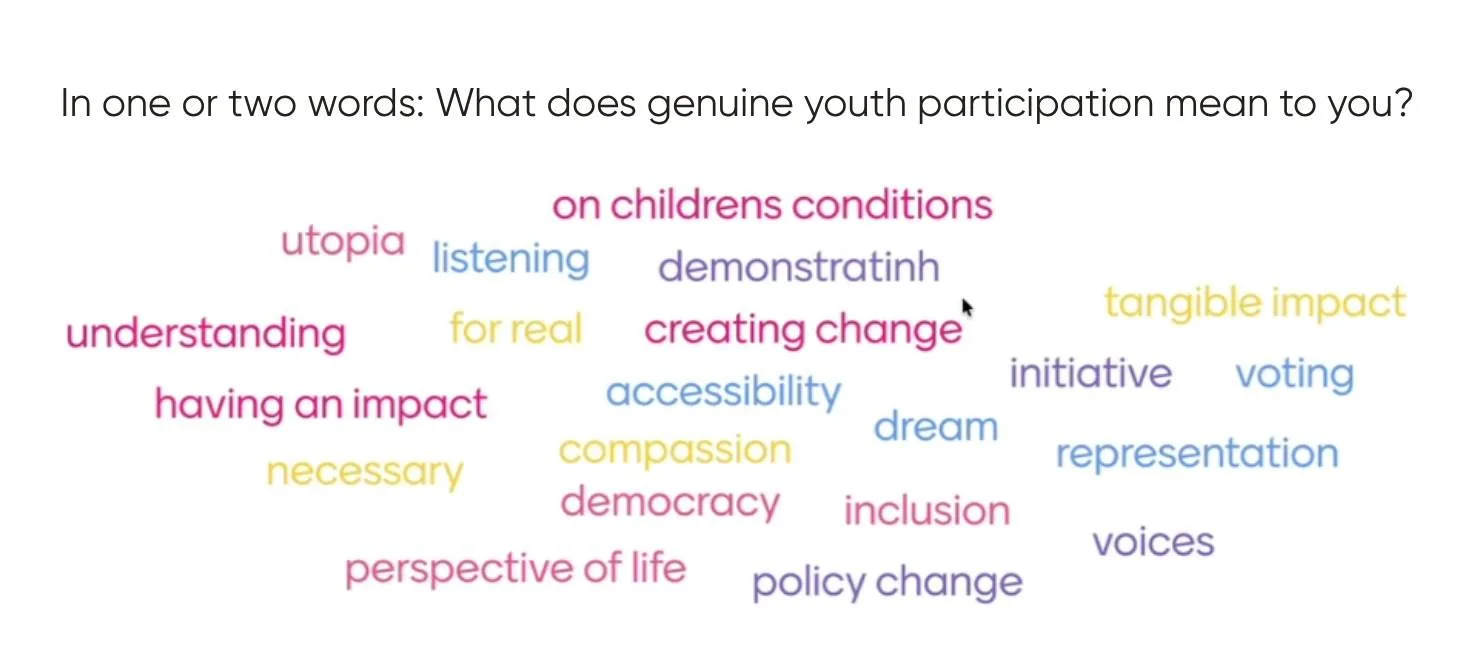
The participants were able to reflect on what youth participation meant to them, and the biggest barriers to broadening participation in their region. Such spaces can be essential for strengthening dialogue between young people and between regions across Europe.
Finally, the session concluded with a key reflection on the discussion that can be applied to any future scenarios: Who is not in the room yet, and what would it take to change that?
Thank you to our speakers and panellists: Unga Påverkar Nordost , Gothenburg Youth Council, and the International Youth Think Tank.
Article written by Kenny Dos Santos and Yasmin Omar Abdulkadir, YRN members from Västra Götaland


